Why Are Kitchen Cabinets so Expensive
Kitchen cabinets are expensive because you’re paying for quality materials like solid wood and durable hardware, plus skilled craftsmanship that guarantees a perfect fit and long-lasting finish.
These elements ensure your cabinets not only look great but also stand the test of time.
Custom designs with special features add complexity and labor time, which raises expenses further.
Installation requires expertise, especially in tricky layouts or when additional features are involved.
All these combined factors drive up the price but also increase the value and durability of your cabinets.
Keep exploring to understand what shapes these costs.
Materials That Increase Kitchen Cabinet Costs
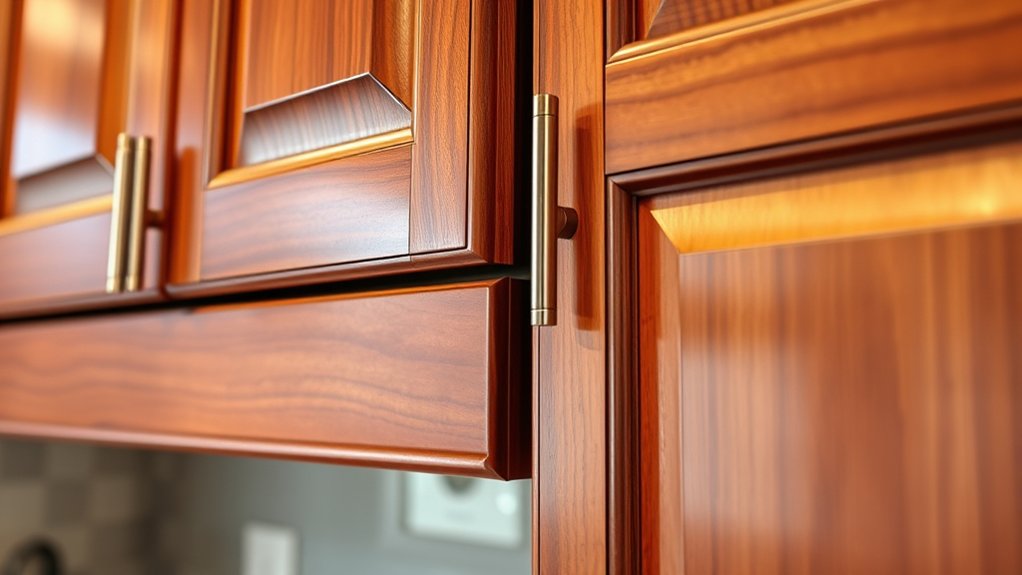
Although your choice of materials might seem straightforward, it plays an essential role in determining the overall cost of your kitchen cabinets. Different wood types, such as maple, cherry, or oak, vary considerably in price and durability, directly impacting your budget.
The cabinet styles you prefer also influence material needs; intricate designs often require more expensive resources and skilled craftsmanship. Construction methods matter, too. Solid wood frames and dovetail joints raise costs compared to particleboard or MDF.
Brand reputation can add a premium, as well-known manufacturers often maintain higher quality standards and reliable supply chains, which affect availability and pricing. Understanding how these factors interact helps you make informed decisions, balancing quality and cost to fit your kitchen remodel plan effectively.
How Custom Designs Affect Kitchen Cabinet Pricing
When you choose custom kitchen cabinet designs, you directly influence the final cost because customization requires specialized materials, unique dimensions, and skilled craftsmanship. You’ll often want to incorporate the latest design trends, which can involve intricate details or unconventional layouts, pushing prices higher.
Custom features such as built-in organizers, soft-close mechanisms, or specialty finishes add to both material and labor costs. Unlike stock cabinets, which come in standard sizes and styles, custom cabinets are tailored specifically to your kitchen’s layout and your preferences, requiring more time and expertise.
This personalized approach means you’re paying not only for the materials but also for design precision and the ability to meet your exact needs, all of which increase the overall investment in your kitchen cabinets.
Why Craftsmanship Matters for Kitchen Cabinets
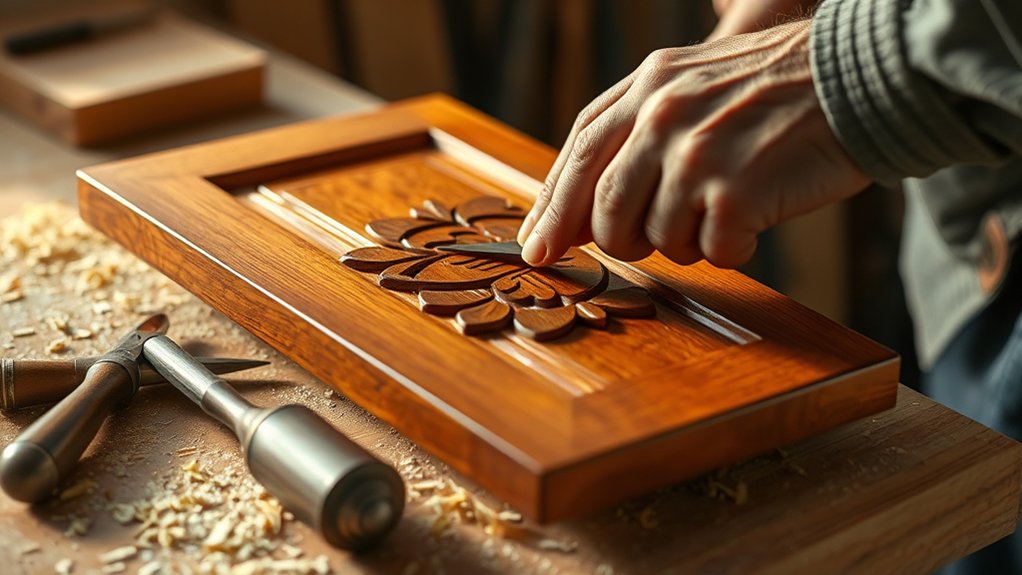
Because kitchen cabinets endure daily use and need to fit perfectly within your space, craftsmanship plays a crucial role in their durability and functionality. When skilled artisans apply craftsmanship techniques, you get cabinets that last longer and perform better.
Here’s why artisan skills matter:
- Precision Joinery: Guarantees strong, seamless connections that prevent warping or gaps over time.
- Custom Fit: Tailored measurements ensure your cabinets fit perfectly, maximizing space efficiency.
- Quality Materials Handling: Expert selection and treatment of wood improve resistance to wear and moisture.
- Fine Finishing: Meticulous sanding and coating enhance both appearance and protection.
How Hardware and Finishes Impact Cabinet Costs
Your choice of hardware material directly affects your cabinet’s durability and price, with options ranging from basic alloys to premium metals.
Finishes also play a key role, as different techniques like painting, staining, or glazing add varying costs and styles. Understanding these factors helps you balance budget and design effectively.
Hardware Material Quality
Although hardware might seem like a small detail, it greatly influences both the look and cost of your kitchen cabinets. The quality of hardware material directly impacts durability, style, and price. When choosing hardware types, consider how material sourcing affects costs. High-quality metals like solid brass or stainless steel generally cost more but last longer and resist wear.
Here are four key factors about hardware material quality:
- Material Composition – Metals like brass, zinc, and aluminum vary in price and durability.
- Manufacturing Process – Precision casting and machining raise costs but improve quality.
- Source Location – Locally sourced hardware can reduce shipping expenses.
- Design Complexity – Intricate hardware designs require more skilled labor and material.
Choosing quality hardware guarantees lasting beauty but adds to your cabinet’s overall expense.
Finish Types and Techniques
Finish types and techniques play an essential role in defining the appearance and durability of your kitchen cabinets, directly influencing their cost. When selecting cabinets, you’ll notice that paint finishes vary from matte to high-gloss, each requiring different application methods and drying times, which affect pricing.
Staining techniques also impact cost; hand-applied stains demand more labor and skill than machine-applied options, resulting in higher expenses. Additionally, specialty finishes like distressed or glazed surfaces add complexity and price.
The quality of the finish affects how well your cabinets resist moisture, scratches, and fading, meaning you pay more upfront for longer-lasting results. Understanding these factors helps you balance aesthetics, durability, and budget when choosing kitchen cabinet finishes and hardware.
How Kitchen Cabinet Installation Influences Pricing
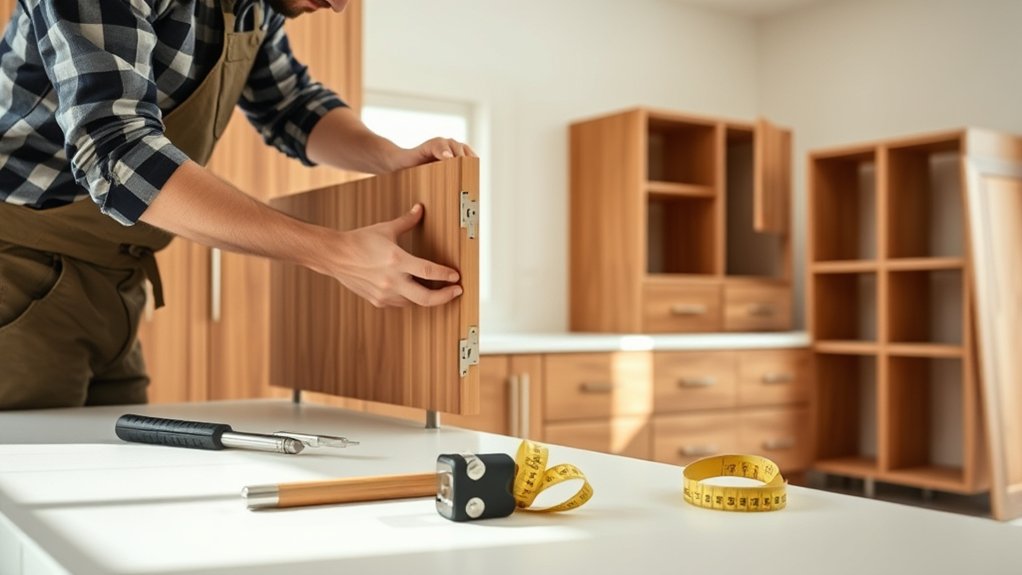
Since installation requires skilled labor and specialized tools, it greatly affects the overall cost of your kitchen cabinets. Installation complexity directly impacts labor costs, making this a key factor in pricing. Here’s what influences the cost:
Skilled labor and specialized tools make installation a major factor in kitchen cabinet costs.
- Kitchen layout: Irregular or small spaces increase installation difficulty.
- Cabinet type: Custom or semi-custom cabinets often need more precise fitting.
- Wall conditions: Uneven or damaged walls require extra preparation.
- Additional features: Integrating appliances or lighting adds to labor time.
Why Durable Kitchen Cabinets Are Worth the Investment
When you choose durable kitchen cabinets, you save money and hassle over time because they resist wear, damage, and frequent repairs. Durable cabinets offer durability benefits that protect your investment, maintaining their appearance and function despite daily use.
This means you won’t have to spend extra on replacements or costly fixes, which leads to significant long term savings. Additionally, strong materials and quality craftsmanship guarantee your cabinets withstand humidity, impacts, and stains better than cheaper alternatives.
Frequently Asked Questions
How Do Kitchen Cabinet Trends Affect Pricing?
You’ll notice kitchen cabinet trends affect pricing because luxury materials and custom designs become popular, driving demand and costs up. Staying current means investing more for these high-end features and unique styles that match trends.
Can Kitchen Cabinet Costs Be Reduced With DIY Projects?
Yes, you can reduce costs by using DIY materials and budget-friendly alternatives. You’ll enjoy customization options and learn installation techniques that save money, making your kitchen cabinets uniquely yours without overspending on professional services.
What Role Does Cabinet Brand Reputation Play in Pricing?
When you choose a cabinet brand, you’re buying trust woven from brand quality, market demand, design innovation, and material sourcing. These factors shape pricing because top brands invest heavily to guarantee durability, style, and exclusivity.
How Does Kitchen Size Influence Cabinet Expenses?
Your kitchen layout directly affects cabinet expenses since larger or complex layouts need more cabinets and materials. Choosing high-quality cabinet materials also raises costs.
Are There Financing Options for Expensive Kitchen Cabinets?
Yes, you’ll find financing options and flexible payment plans from many cabinet retailers. These let you spread out costs, making expensive kitchen cabinets more affordable without straining your budget upfront.
Always compare terms carefully.