Who Makes the Best Kitchen Cabinets for the Money
You get the best kitchen cabinets for the money by choosing durable materials like plywood or solid hardwood that fit your budget and lifestyle.
Kitchen cabinets that offer a good balance of quality and cost come from brands like IKEA, Home Depot, and RTA Cabinet. These brands provide reliable, affordable options with functional features such as soft-close doors and adjustable shelves.
Balancing customization—from stock to semi-custom—helps optimize your kitchen layout and value.
By focusing on quality and style, you can save without compromising longevity.
Keep exploring to uncover smart buying and maintenance tips.
What to Look for When Buying Kitchen Cabinets
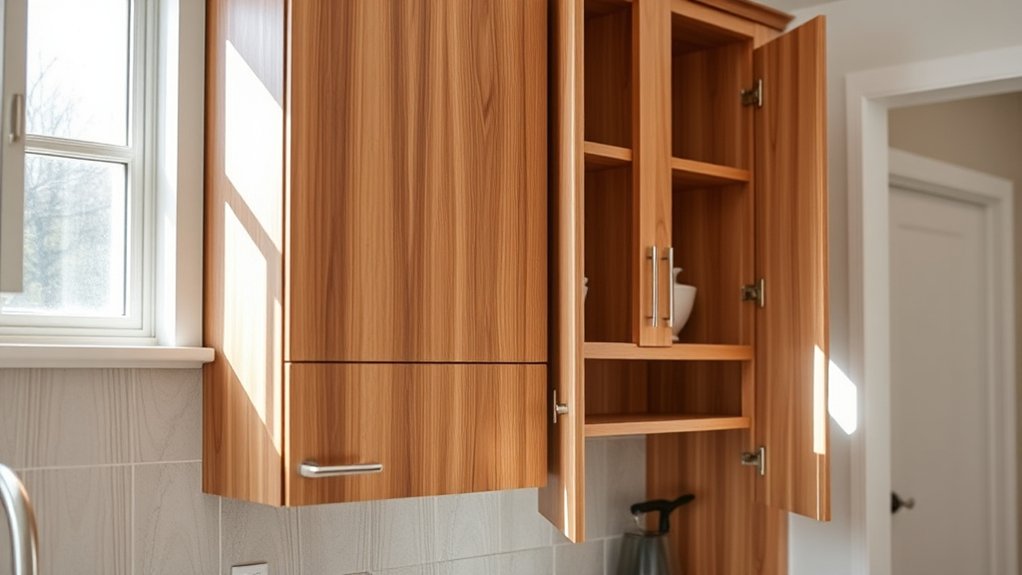
When choosing kitchen cabinets, where should you start? Begin by evaluating your kitchen layout to guarantee the cabinets fit seamlessly and optimize space. Think about cabinet functionality. How you store items matters as much as style.
Look for adjustable shelves, soft-close doors, and drawers that glide smoothly; these features enhance daily use. Measure carefully to avoid awkward gaps or overcrowding. Prioritize cabinets that maximize storage without compromising movement around your kitchen.
Consider the types of items you frequently use to select configurations like pull-out trays or spice racks. Don’t overlook ease of installation and future maintenance. By focusing on your kitchen layout and cabinet functionality first, you’ll make smart choices that blend efficiency and convenience, ensuring your investment works well for years to come.
How Cabinet Materials Affect Durability and Cost
You’ll find that different wood types like oak, maple, and plywood vary widely in both durability and price. Choosing solid hardwood often means higher upfront costs but better long-term resilience, while engineered materials can save money upfront with some trade-offs in strength.
Understanding these material differences helps you balance quality and budget effectively.
Wood Types Comparison
Choosing the right wood type for your kitchen cabinets directly impacts both their durability and cost. When debating maple vs oak, consider that maple offers a smooth, uniform grain and resists dents, while oak boasts a prominent grain and exceptional strength.
Also, understand the difference between plywood vs particleboard: plywood is sturdier and resists warping, making it ideal for cabinet boxes. Particleboard is budget-friendly but less durable and prone to moisture damage.
Here’s a quick comparison:
- Maple: durable, smooth grain, moderate cost
- Oak: strong, distinctive grain, slightly higher cost
- Plywood: strong, moisture-resistant, preferred for cabinet frames
- Particleboard: economical, less durable, susceptible to swelling
Choosing wisely guarantees your cabinets stand the test of time without overspending.
Material Cost Differences
Although cabinet materials vary widely in price, understanding how each affects durability and long-term value helps you make smarter investments. High material quality, like solid hardwood, tends to cost more upfront but offers superior durability and a longer lifespan, reducing replacement needs.
On the other hand, materials such as MDF or particleboard come at a lower price but may wear out faster, potentially increasing future costs. You should also factor in installation costs. Heavier, denser materials often require more labor and specialized tools, raising the total expense.
Custom, Semi-Custom, and Stock Cabinets: Which Fits Your Budget?
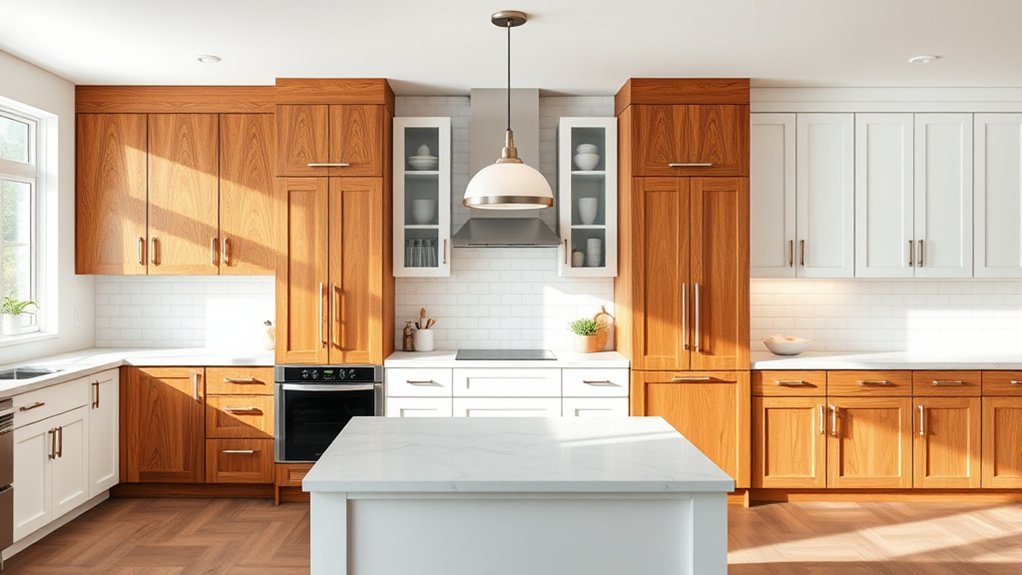
When planning your kitchen remodel, understanding the differences between custom, semi-custom, and stock cabinets can help you maximize your budget. Each type offers varying customization options and installation costs that affect your overall spend.
Custom cabinets provide full customization, fitting unique spaces perfectly but come with higher installation costs.
Semi-custom cabinets offer moderate customization like adjustable sizes and finishes, balancing flexibility and price.
Stock cabinets come pre-made in standard sizes and styles, making them the most budget-friendly with lower installation complexity.
Consider your kitchen’s layout and how much you want to personalize your cabinets when choosing.
The Best Affordable Kitchen Cabinet Brands for Value
If you want to stretch your budget without sacrificing quality, focusing on reputable affordable kitchen cabinet brands is key. These brands deliver budget friendly options while keeping up with cabinet design trends, ensuring your kitchen feels modern and functional.
Here’s a quick comparison to help you navigate your choices:
| Brand | Price Range | Features |
|---|---|---|
| IKEA | $500 – $5,000 | Modular, customizable, stylish |
| Home Depot | $600 – $4,500 | Ready-to-assemble, durable |
| Wayfair | $700 – $3,800 | Wide variety, trend-focused |
| RTA Cabinet | $400 – $3,000 | Easy assembly, cost-effective |
Kitchen Cabinet Styles That Give You the Most Bang for Your Buck
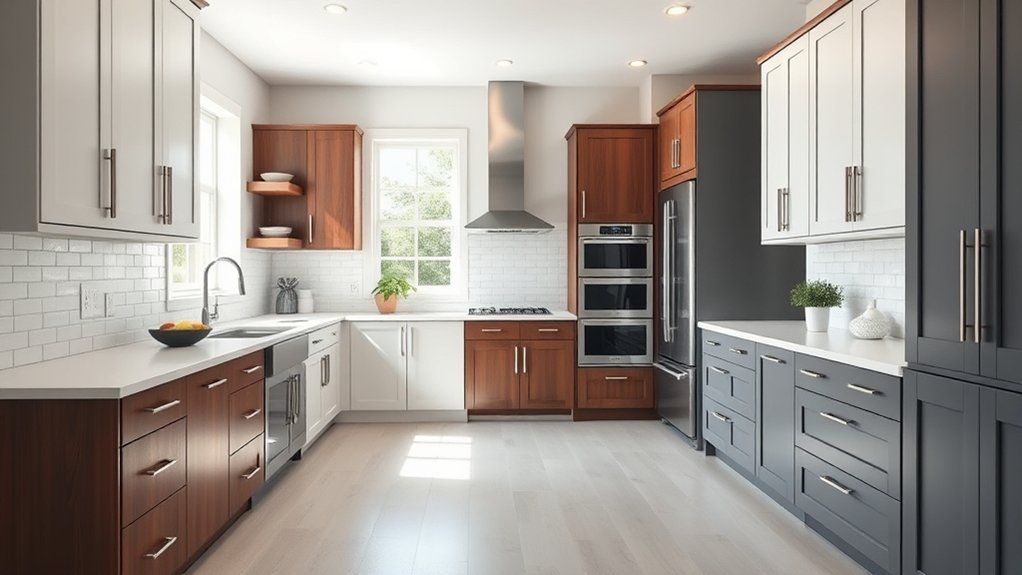
You’ll want to focus on popular cabinet styles like Shaker and flat-panel for a timeless look that won’t break the bank. Choosing durable materials such as plywood or MDF with a sturdy finish guarantees your cabinets last longer and hold up to daily wear.
These smart style and material choices give you the best value without sacrificing quality.
Popular Affordable Cabinet Styles
Although choosing kitchen cabinets can feel overwhelming, focusing on popular affordable styles helps you get the most value without sacrificing quality or aesthetics. You’ll find that certain styles balance cost, durability, and timeless appeal perfectly.
Here are four affordable cabinet styles that deliver style and function:
- Modern shaker: Clean lines and simple design fit almost any kitchen, offering versatility without extra cost.
- Vintage farmhouse: Adds charm with rustic beadboard details while staying budget-friendly.
- Minimalist flat panel: Sleek and contemporary, these cabinets reduce manufacturing complexity, cutting expenses.
- Industrial open shelf: Combines open storage with sturdy materials, ideal for a practical yet trendy look.
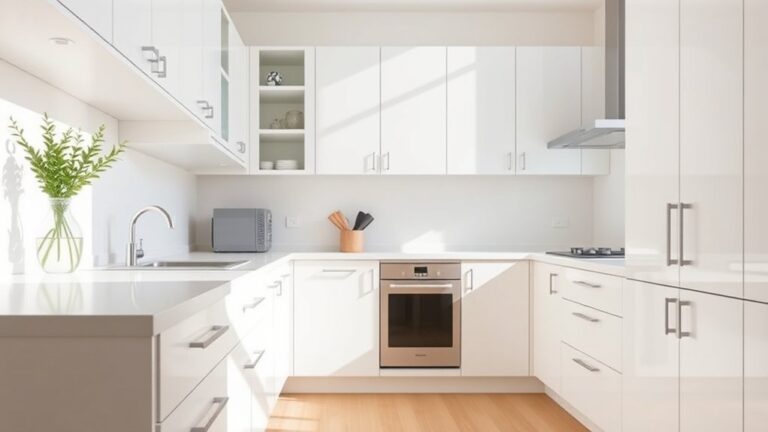
Each style offers a distinctive look that doesn’t break the bank, helping you create your dream kitchen efficiently.
Durable Materials for Value
When selecting kitchen cabinets, the material you choose directly impacts both durability and long-term value. Opt for solid hardwoods like maple or oak, which resist wear and maintain their appearance over time.
Sustainable materials such as bamboo offer eco-friendly strength and a unique look. Avoid particleboard or low-grade MDF, as they tend to warp and deteriorate faster.
To maximize your investment, follow simple maintenance tips: clean spills immediately, use mild cleaners, and avoid excessive moisture. Applying a protective finish enhances longevity too.
Where to Buy Quality Kitchen Cabinets Without Overspending?
Where can you find kitchen cabinets that balance quality and affordability? When diving into cabinet buying, smart budget planning is key. Start by exploring these reliable sources to get the best value without overspending:
- Local cabinet showrooms: See and feel materials firsthand, often with expert advice.
- Big-box home improvement stores: Offer a wide range of styles at competitive prices.
- Online retailers: Provide convenience and customer reviews to guide your choices.
- Custom cabinet makers: Sometimes surprisingly affordable, letting you tailor quality within your budget.
Each option has pros and cons, so weigh your priorities carefully. By targeting these places, you’ll find cabinets that meet your standards without breaking the bank. Keep your budget goals clear, and focus on trusted sellers to guarantee your cabinet buying process is both practical and cost-effective.
How to Save Money on Kitchen Cabinets Without Sacrificing Quality
Saving money on kitchen cabinets without sacrificing quality requires strategic choices and careful planning. Start by exploring budget friendly options like semi-custom cabinets that offer a balance between price and personalization.
Opt for durable materials such as plywood instead of solid wood to keep costs down without compromising strength. Focus on cost effective upgrades, investing in high-quality hardware and soft-close hinges to enhance functionality without a major expense.
Consider refinishing existing cabinets if their structure is sound; this can deliver a fresh look at a fraction of the replacement cost. Also, shop during sales or clearance events to snag quality cabinets for less.
Easy Tips to Maintain Your Kitchen Cabinets and Extend Their Life
Although kitchen cabinets are built to last, proper maintenance is crucial to keep them looking and functioning their best over time. You can greatly extend their life with regular cabinet cleaning and hardware maintenance. Start by wiping down surfaces with a gentle cleaner to prevent grime buildup.
Check hinges and handles frequently to tighten screws and lubricate moving parts. Avoid harsh chemicals that can damage finishes. Keep moisture away by immediately drying spills and using exhaust fans to reduce humidity.
Here are easy tips to help you maintain your cabinets:
- Clean cabinets weekly with a mild soap solution and soft cloth
- Inspect and tighten hardware monthly to avoid loose handles
- Lubricate hinges to guarantee smooth door operation
- Wipe spills promptly to prevent water damage and warping
These steps protect your investment and keep your kitchen looking fresh.
Frequently Asked Questions
How Long Does It Typically Take to Install Kitchen Cabinets?
You’ll typically spend 2-5 days on the installation timeline for kitchen cabinets. To speed things up, use installation tips like prepping your space, labeling pieces, and double-checking measurements before starting the process.
Are Kitchen Cabinet Warranties Worth the Extra Cost?
A warranty’s like a safety net, worth it if you want peace of mind. Compare warranty coverage against cost carefully. Sometimes paying a bit more upfront saves you from expensive repairs later, making it a smart investment.
What Environmental Certifications Should I Look for in Cabinets?
You should look for sustainability standards like FSC or SCS certifications, which confirm eco friendly materials and responsible sourcing. These guarantee your cabinets minimize environmental impact while maintaining quality and durability for your kitchen.
Can I Paint or Refinish Existing Kitchen Cabinets Myself?
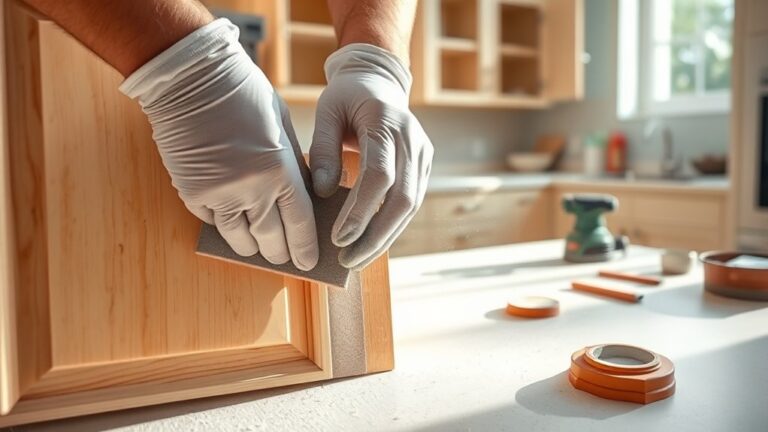
Yes, you can tackle cabinet painting yourself by following proper refinishing techniques. Sand, clean, prime, and use quality paint for lasting results.
Patience and attention to detail will help you refresh your kitchen cabinets effectively.
How Do Kitchen Cabinet Trends Change Over Time?
Kitchen cabinet trends shift as modern styles emerge, yet timeless designs remain popular. You’ll notice changes in colors, materials, and hardware, but focusing on classic elements helps your kitchen stay stylish and practical for years.