How to Winterize Outdoor Faucets
To winterize outdoor faucets, first locate and shut off the indoor valve that feeds water to the faucet. This step is crucial to prevent water from flowing into the outdoor pipes during freezing temperatures.
Next, open the faucet fully to drain any remaining water. Draining the water helps prevent pipe bursts caused by freezing.
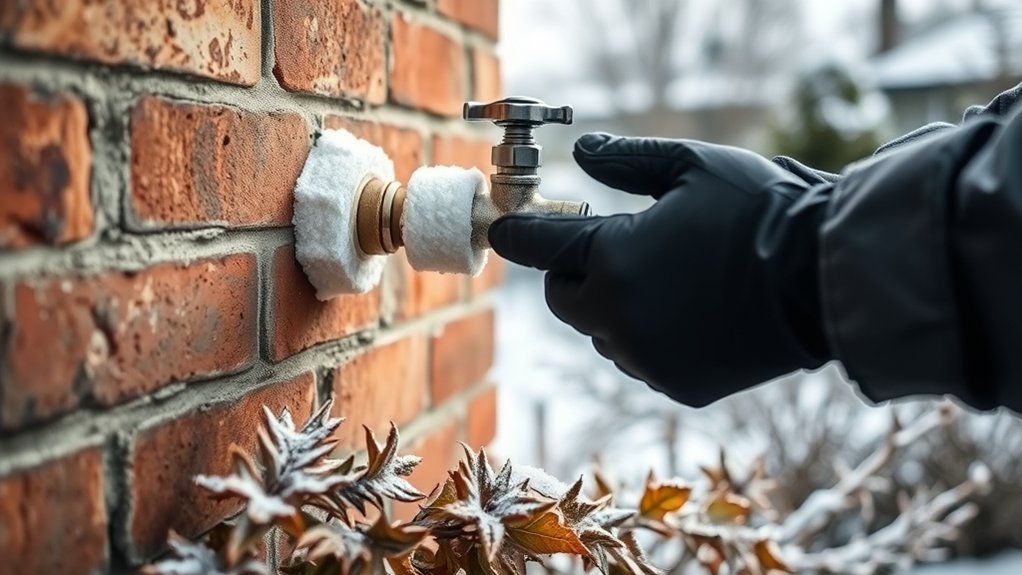
Then, install frost-proof or insulated covers, securing them tightly to block out freezing temperatures. Inspect the faucet and surrounding pipes for leaks or corrosion.
Wrap any exposed piping with insulation for extra protection.
Regularly test the shutoff valve to ensure it functions properly.
Following these steps will protect your plumbing system this winter. Additional tips are available to help enhance your winter preparation.
Why Winterize Your Outdoor Faucets Before Winter?
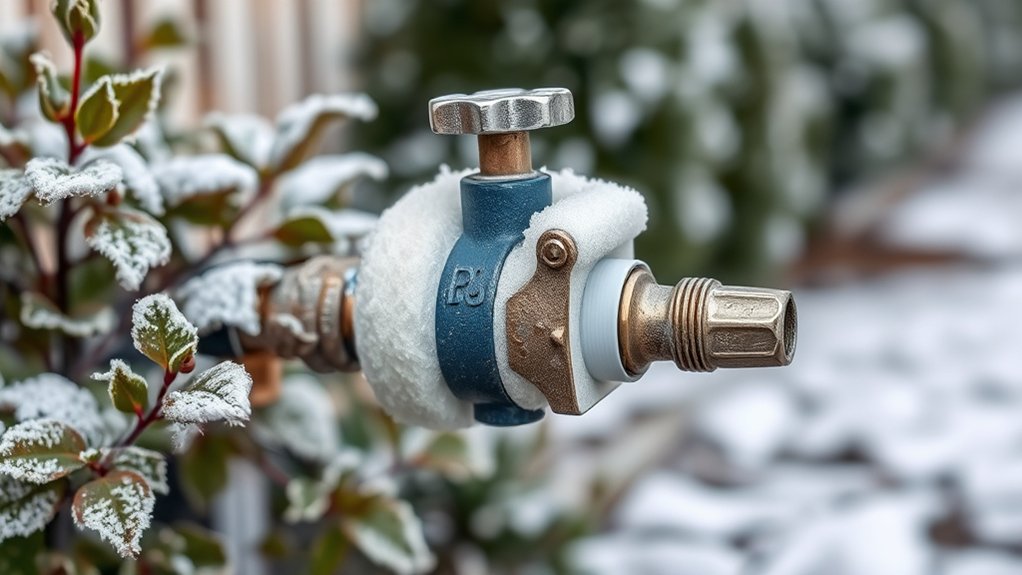
Although it might seem unnecessary, winterizing your outdoor faucets is essential to prevent water inside the pipes from freezing and causing damage. When water freezes, it expands and can create pressure that leads to frozen pipes bursting.
This rupture results in significant water damage inside your walls or foundation. You don’t want to deal with costly repairs or replacement caused by neglecting this step. Winterizing guarantees that residual water is removed or insulated, minimizing the risk of freezing.
Proper preparation protects your plumbing infrastructure and maintains the integrity of your property. By addressing your outdoor faucets before freezing temperatures arrive, you avoid the common but preventable issue of frozen pipes, which directly translates into avoiding water damage and expensive remediation later on.
How to Shut Off and Drain Outdoor Faucets
To protect your outdoor faucets from freezing damage, you need to properly shut off the water supply and drain any remaining water. Start by locating the indoor shut-off valve, usually found in the basement or crawlspace. Turn it off completely to stop water flow to the outdoor faucet.
Then open the outdoor faucet to drain residual water. This step is essential for effective faucet maintenance and seasonal preparation.
| Step | Action | Purpose |
|---|---|---|
| Locate valve | Find indoor shut-off valve | Control water flow |
| Turn off valve | Close valve completely | Prevent water entering faucet |
| Drain faucet | Open faucet to release water | Avoid freezing inside pipes |
Following these steps prevents pipe bursts and maintains your plumbing system’s integrity.
How to Install Frost-Proof or Insulated Faucet Covers
Install frost-proof or insulated faucet covers to shield your outdoor faucets from freezing temperatures and reduce the risk of pipe damage. Begin by selecting covers that fit your faucet type, whether standard or frost-proof models.
For proper faucet installation, verify the faucet is fully drained and the handle is in the off position. Position the cover over the faucet, aligning it securely around the spout and stem.
Use built-in fasteners or straps to anchor the cover firmly, preventing cold air infiltration. Apply additional insulation techniques if needed, such as foam inserts or weather-resistant tape, to enhance thermal protection.
Regularly inspect covers throughout winter to maintain a tight seal. This method effectively minimizes freeze risk and complements other winterizing steps for outdoor plumbing systems.
How Indoor Shutoff Valves Can Save Your Pipes
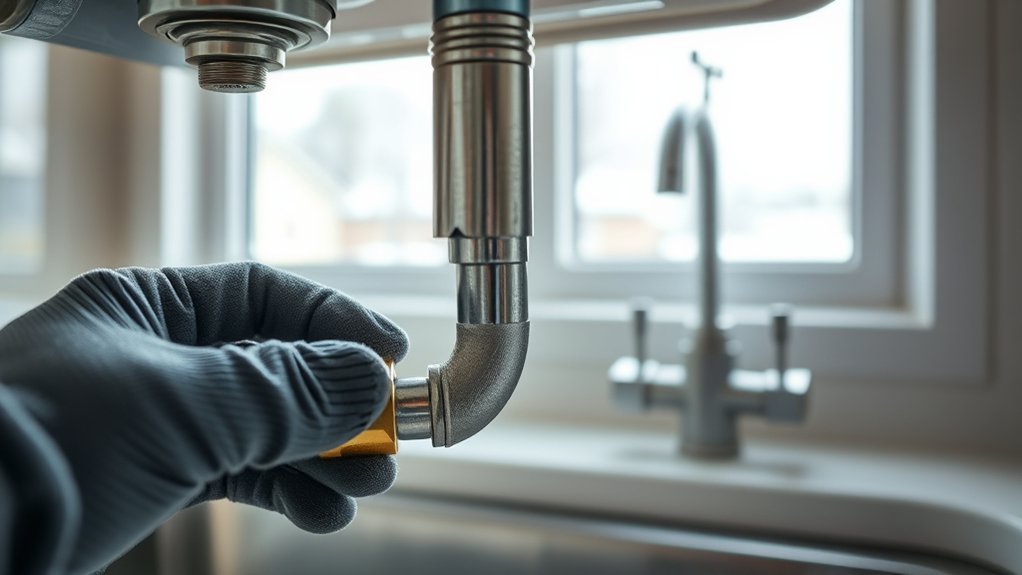
While insulated faucet covers protect your outdoor faucets from freezing, you also need to control water flow inside your home to prevent pipe bursts. Installing indoor shutoff valves near your outdoor faucets allows you to quickly stop water supply during cold weather, minimizing the risk of frozen pipes.
During faucet maintenance, locate and close these valves before winter to guarantee no water remains in the exterior pipes. This step complements other plumbing tips such as draining outdoor lines after shutting off the valve.
Regularly testing these shutoff valves for leaks or corrosion is essential to maintain their effectiveness. By integrating indoor shutoff valves into your winterization routine, you reduce potential water damage and enhance the longevity of your plumbing system.
How to Inspect and Fix Common Outdoor Faucet Issues Before Winter
Before temperatures drop, you should thoroughly inspect your outdoor faucets for leaks, corrosion, and loose fittings to prevent costly damage during winter. Start by checking for faucet leaks at the valve and spout connections; even small drips can freeze and cause pipe bursts.
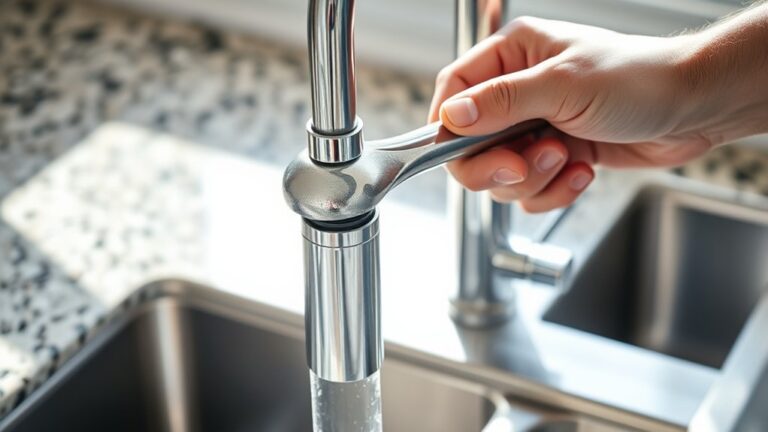
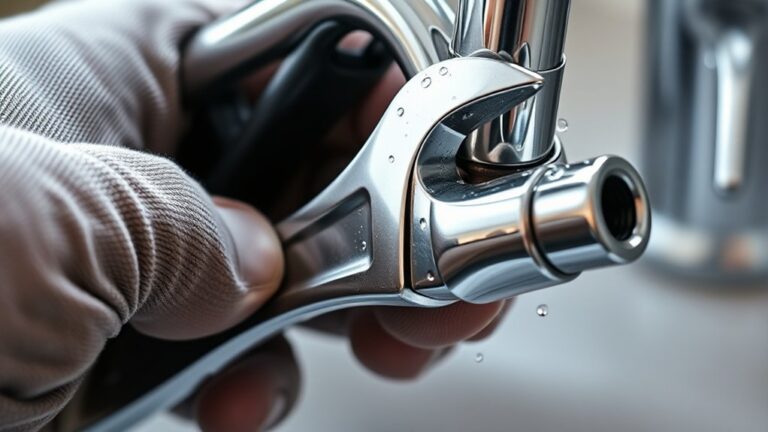
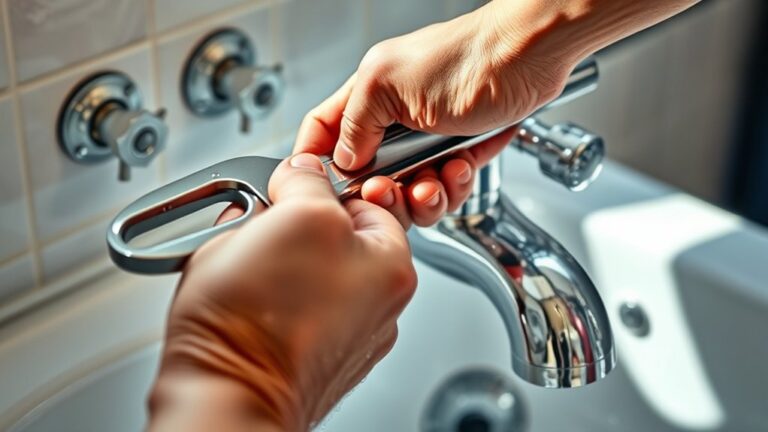
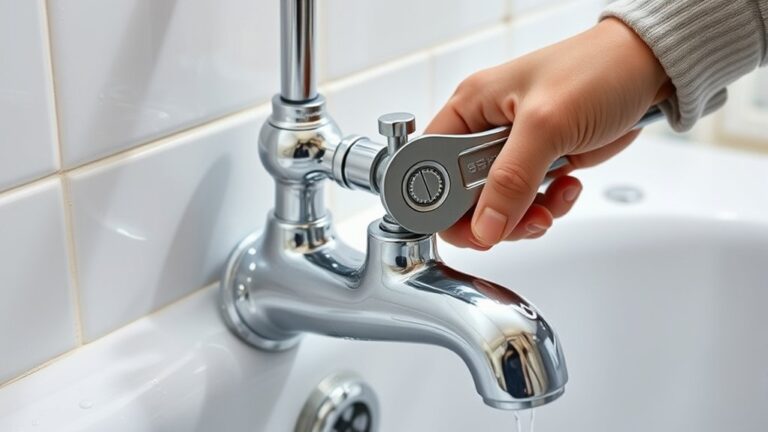
Tighten any loose fittings with a wrench, but avoid overtightening to prevent damage. Examine the faucet body for corrosion, which weakens metal and may require replacement.
Next, drain remaining water by opening the faucet fully and disconnecting hoses. Once dry, wrap the faucet and exposed pipe with quality pipe insulation to shield against freezing temperatures.
Proper insulation reduces the risk of pipe damage and maintains system integrity throughout winter. Regular inspection and prompt repairs guarantee your outdoor faucets remain functional and protected during cold months.
Frequently Asked Questions
Can I Use Antifreeze in Outdoor Faucets to Prevent Freezing?
You can’t just pour antifreeze into outdoor faucets; it’s not a magic potion! Instead, focus on faucet insulation and plumbing maintenance to keep pipes safe. Proper sealing and draining are your best defenses against freezing damage.
When Is the Best Time to Start Winterizing Outdoor Faucets?
You should start winterizing outdoor faucets during fall maintenance, typically when temperatures consistently drop below 45°F.
Follow plumbing tips to drain water and shut off supply lines, preventing freeze damage and costly repairs throughout winter.
Are There Specific Tools Needed for Winterizing Outdoor Faucets?
Think of winterization techniques as a toolkit toolbox; you’ll need a few specific tools like a faucet key or pliers, foam faucet covers, and a garden hose. These items help protect different faucet types efficiently from freezing damage.
How Can I Tell if My Faucet Is Frost-Proof?
You can tell if your faucet has frost-proof features by checking if the valve seat extends inside the house wall, preventing water from freezing.
Look for winterization signs like a long stem and a sealed handle to confirm.
Can Winterizing Outdoor Faucets Help Reduce My Water Bill?
Yes, winterizing outdoor faucets can lead to cost savings by preventing leaks and plumbing issues caused by freezing. You’ll reduce water waste and avoid expensive repairs, directly lowering your water bill and maintenance costs.