Should Kitchen Cabinets Go to Ceiling
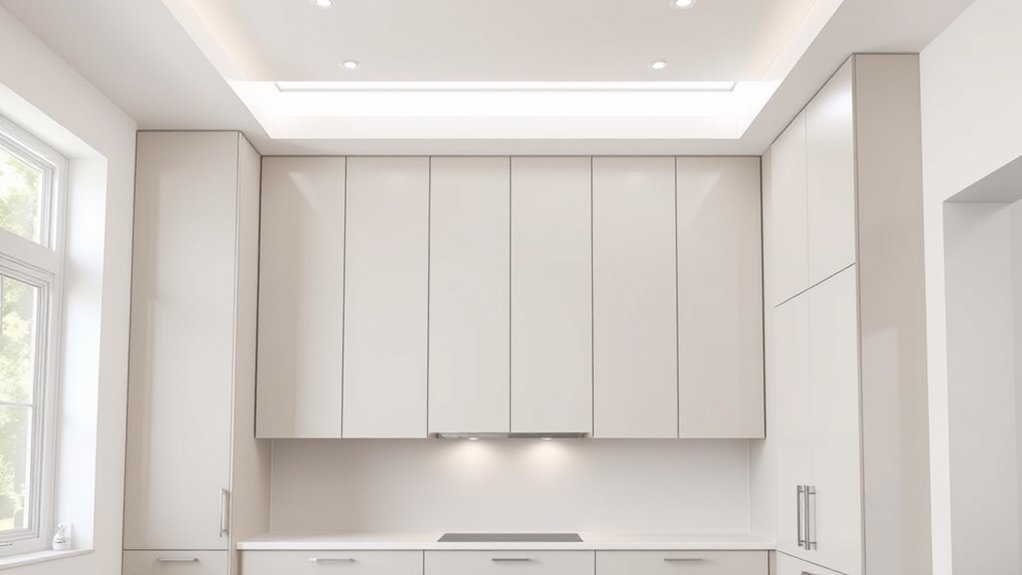
You should consider extending your kitchen cabinets to the ceiling when you want to maximize storage and achieve a polished, seamless look that visually elongates your space.
Ceiling-height cabinets reduce clutter and enhance design continuity, creating a more cohesive kitchen environment.
However, they may require stools for hard-to-reach items, so it’s important to balance aesthetics with accessibility.
Lighter finishes help maintain openness, especially in smaller kitchens, preventing the space from feeling cramped.
If you’re evaluating style, function, and budget carefully, exploring all factors can guide your perfect choice for ceiling-height kitchen cabinets.
This thoughtful approach ensures your kitchen is both beautiful and practical.
What Are Ceiling-Height Kitchen Cabinets?
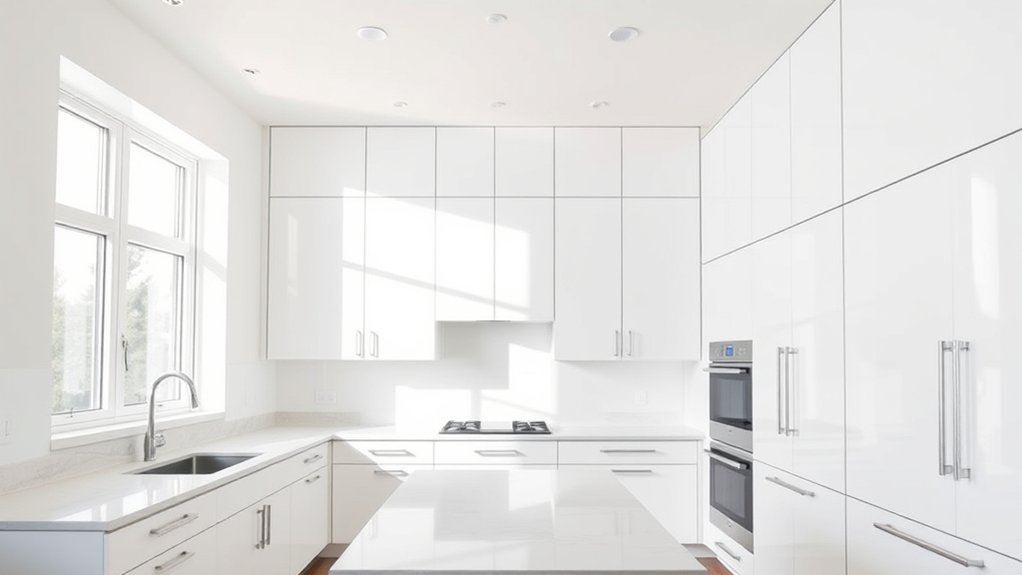
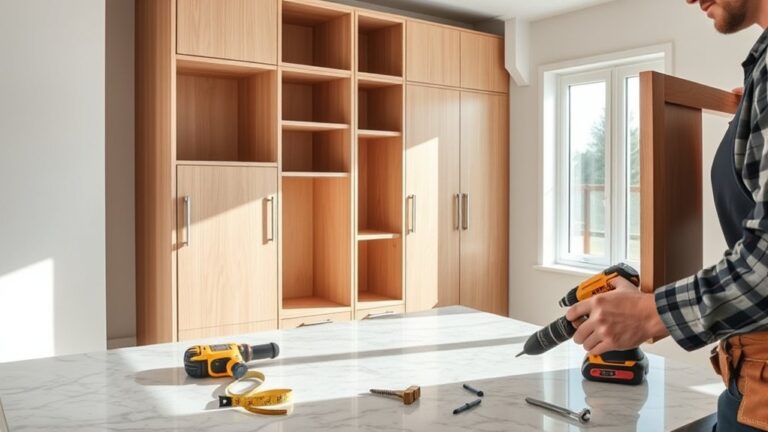
Ceiling-height kitchen cabinets extend from the countertop all the way up to the ceiling, maximizing vertical storage space in your kitchen. These cabinets create a seamless connection between your cabinetry and ceiling design, enhancing the room’s overall aesthetic.
When selecting cabinet styles, you can choose from sleek modern finishes or classic shaker doors, depending on your kitchen’s theme. The tall cabinetry not only adds a polished, custom look but also makes your kitchen appear taller and more spacious.
How Do Ceiling Cabinets Help You Store More?
Because they reach all the way to the ceiling, these cabinets provide considerably more storage space than standard-height options. This allows you to make full use of otherwise wasted vertical areas.
By incorporating ceiling cabinets, you enhance vertical storage, maximizing space in your kitchen efficiently. You gain extra shelves for seldom-used items, seasonal cookware, or bulk supplies.
This approach keeps your countertops clutter-free while optimizing every inch. Below is a quick comparison of storage benefits:
| Storage Benefit | Description |
|---|---|
| Increased Capacity | More shelves and compartments |
| Efficient Vertical Use | Utilizes space above traditional cabinets |
| Clutter Reduction | Frees countertop and lower cabinet space |
| Organized Storage | Segregates items by frequency of use |
| Aesthetic Continuity | Creates a seamless, sleek look |
Maximizing vertical storage with ceiling cabinets transforms your kitchen into a highly functional and elegant space.
What Are the Accessibility Challenges of Ceiling Cabinets?
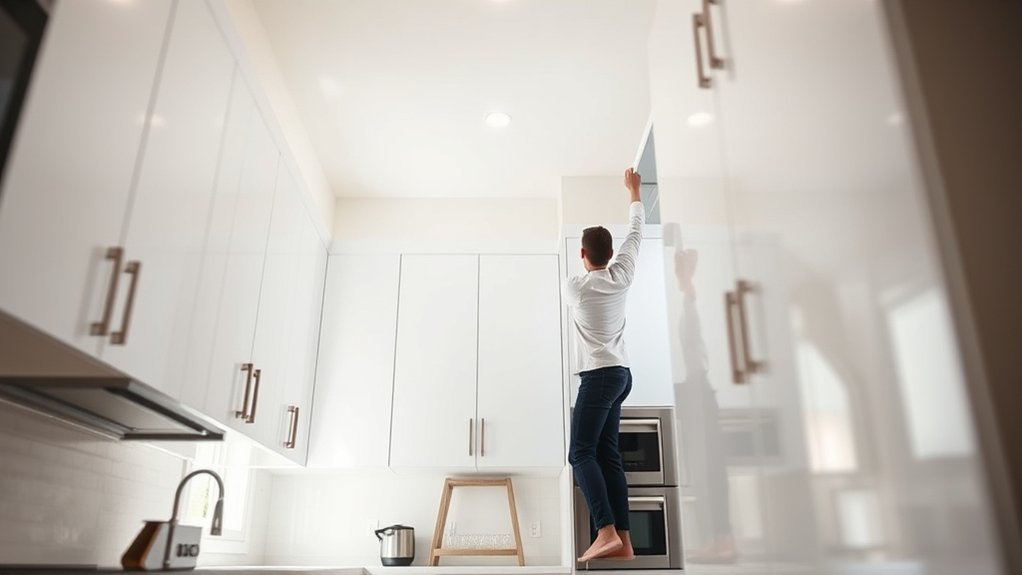
When you install kitchen cabinets that reach the ceiling, you’ll likely face reachability challenges, especially for everyday items stored up high. You’ll need a sturdy step stool or ladder to access these spaces safely, which adds a layer of inconvenience and potential risk.
Considering these factors helps balance the benefits of extra storage with practical usability.
Reachability Issues
How easily can you access the top shelves of kitchen cabinets that extend to the ceiling? Reachability issues often arise, especially when storage solutions prioritize design preferences over practicality.
While ceiling-high cabinets maximize space, they may force you to use step stools or ladders, complicating daily tasks.
| Cabinet Height | Accessibility | Recommended Storage Items |
|---|---|---|
| Below 6 ft | Easy | Everyday dishes, utensils |
| 6-7 ft | Moderate | Seasonal cookware, rarely used |
| Above 7 ft | Difficult | Bulk items, decorative pieces |
| Ceiling Height | Very Difficult | Emergency supplies, overflow |
| Varies | Depends | Customized pull-down shelves |
Consider how often you’ll reach these heights before committing to ceiling cabinets.
Safety Concerns
Although ceiling-height cabinets offer ample storage, they introduce significant safety concerns that you shouldn’t overlook. When installing these cabinets, you must adhere to strict safety standards to prevent accidents. The elevated height increases installation risks, such as improper anchoring, which can lead to cabinet detachment.
Additionally, accessing these cabinets poses challenges that can compromise your safety.
Consider these points:
- Using unstable stools or ladders to reach high shelves increases fall risk.
- Frequent stretching or overreaching can cause muscle strain or injury.
- Heavy or fragile items stored overhead may fall, risking harm or damage.
Do Ceiling Cabinets Make Your Kitchen Look Bigger or Smaller?
When you install ceiling-height cabinets, you create a continuous vertical line that can make your kitchen feel taller and more spacious. However, if the cabinets are bulky or dark, they might overwhelm the room and shrink the visual space.
Understanding how cabinet height and design influence your kitchen’s perceived size is key to achieving the look you want.
Visual Impact On Space
Because ceiling-height cabinets draw the eye upward, they can make your kitchen feel more spacious and grand. You achieve visual balance by extending cabinetry to the ceiling, eliminating awkward gaps that disrupt design continuity. This seamless vertical line enhances the room’s proportions, giving an impression of height and openness.
Consider these three visual impacts:
- Enhanced vertical flow: Cabinets lead your gaze upward, emphasizing ceiling height.
- Uninterrupted surfaces: Without gaps, cabinets create a cohesive, sleek appearance.
- Balanced scale: Taller cabinets align with other kitchen elements, harmonizing space.
When you prioritize visual balance and design continuity, ceiling-height cabinets transform your kitchen, making it look larger and more refined rather than cramped or cluttered.
Ceiling Cabinet Height Effects
The height of your kitchen cabinets plays an essential role in shaping the room’s perceived size and atmosphere. Choosing cabinets that extend to the ceiling not only maximizes storage optimization by utilizing every inch of available space but also aligns with current design trends favoring sleek, uninterrupted lines.
This approach reduces visual clutter, creating a streamlined, cohesive look that can make your kitchen feel thoughtfully designed. However, taller cabinets demand careful consideration of proportions and lighting to avoid overwhelming the space.
Perception Of Room Size
Although ceiling-height cabinets can create a striking visual impact, they may affect how spacious your kitchen feels. When evaluating room dimensions, these cabinets can either enhance or diminish your kitchen’s spatial perception depending on your space and design choices. Here’s what to take into account:
- In smaller kitchens, floor-to-ceiling cabinets may visually compress the space, making it feel cozier but potentially smaller.
- Tall cabinets draw the eye upward, which can elongate the room’s vertical dimension and create an illusion of height.
- Using lighter colors and minimalistic designs on ceiling cabinets helps maintain openness, preventing a heavy or boxed-in feeling.
How Do Ceiling Cabinets Affect Kitchen Style?
How exactly do ceiling cabinets transform the look and feel of your kitchen? By extending cabinetry all the way up, you create a seamless, polished appearance that elevates your kitchen aesthetics. This design choice emphasizes vertical lines, making your space feel sophisticated and cohesive.
Ceiling cabinets also align with current design trends that favor clean, uninterrupted surfaces and maximize storage without clutter. They help you achieve a modern, streamlined look while maintaining functionality.
Whether your kitchen leans toward traditional elegance or contemporary minimalism, ceiling cabinets adapt to enhance the overall style. Incorporating them allows you to play with materials, colors, and finishes, creating a custom look that reflects your taste.
Ultimately, ceiling cabinets offer an elegant way to blend practicality with refined design.
When Are Ceiling Cabinets a Smart Choice?
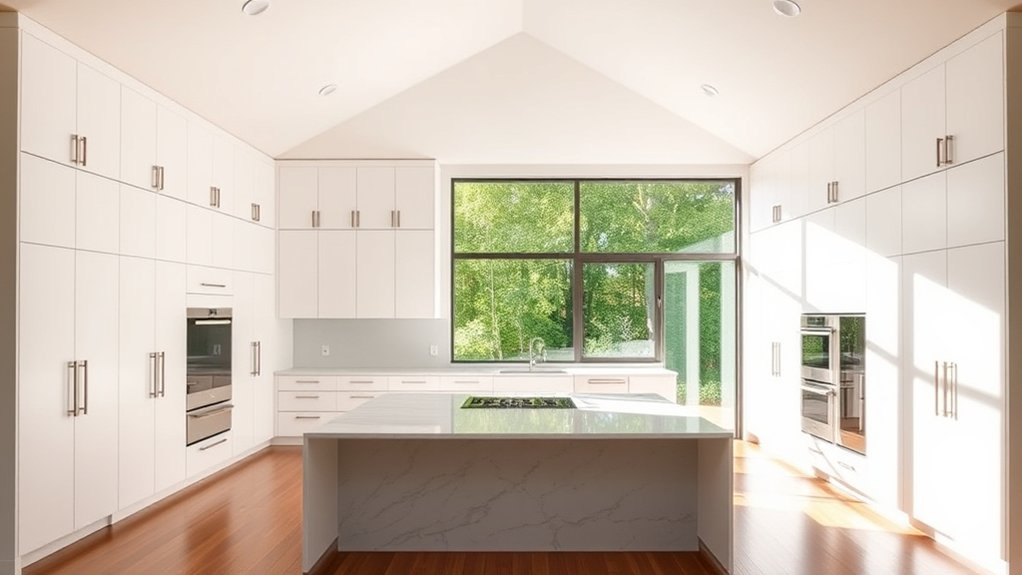
Extending cabinets to the ceiling not only enhances style but also offers practical benefits that suit specific kitchen layouts and needs. You’ll find ceiling cabinets a smart choice when aiming to maximize storage while maintaining seamless design aesthetics.
They work especially well if you want to:
- Optimize vertical space in compact kitchens, freeing up countertops and floors.
- Create a unified, polished look that visually expands the room.
- Store infrequently used items in higher cabinets, keeping everyday essentials accessible.
What Are Alternatives to Ceiling-Height Kitchen Cabinets?
If you prefer not to install ceiling-height cabinets, several alternatives can still deliver both style and functionality in your kitchen. Open shelving offers an airy, modern look while keeping essentials accessible. Countertop storage solutions provide quick access to frequently used items without cluttering your workspace.
Additionally, you might consider shorter upper cabinets paired with decorative crown molding for a polished finish.
| Alternative | Benefits |
|---|---|
| Open Shelving | Enhances openness; displays attractive dishware |
| Countertop Storage | Maximizes convenience; easy accessibility |
| Shorter Cabinets | Balances storage with design flexibility |
These options help maintain a spacious feel, add character, and support efficient kitchen workflows, making them excellent choices if ceiling-height cabinets aren’t right for you.
How to Decide if Ceiling Cabinets Fit Your Budget and Lifestyle?
When planning your kitchen renovation, evaluating whether ceiling-height cabinets align with your budget and lifestyle is essential. These cabinets can elevate your kitchen aesthetically but come with specific budget considerations and practical implications.
Consider these factors:
- Budget considerations: Ceiling cabinets typically cost more due to extra materials and installation complexity. Make certain your budget accommodates these expenses without compromising other priorities.
- Accessibility: Think about your lifestyle needs. If you frequently use upper cabinets, taller units might pose inconvenience unless you have a step stool or assistive tools.
- Storage requirements: Assess if additional storage justifies the investment and suits your daily routines, such as housing seldom-used items up high.
Tips for Installing and Maintaining Ceiling Cabinets
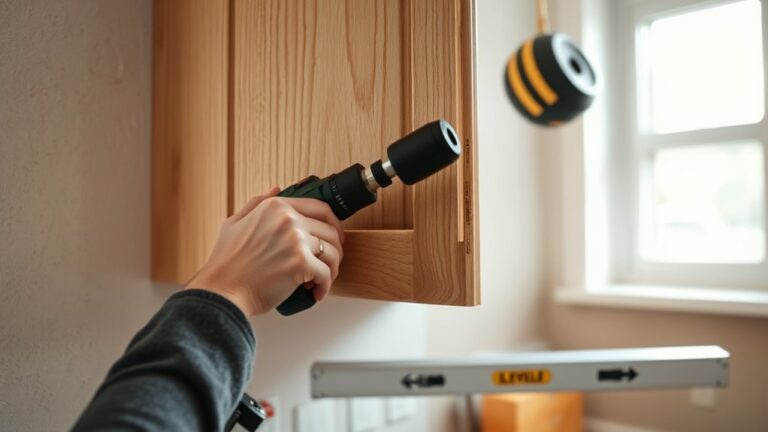
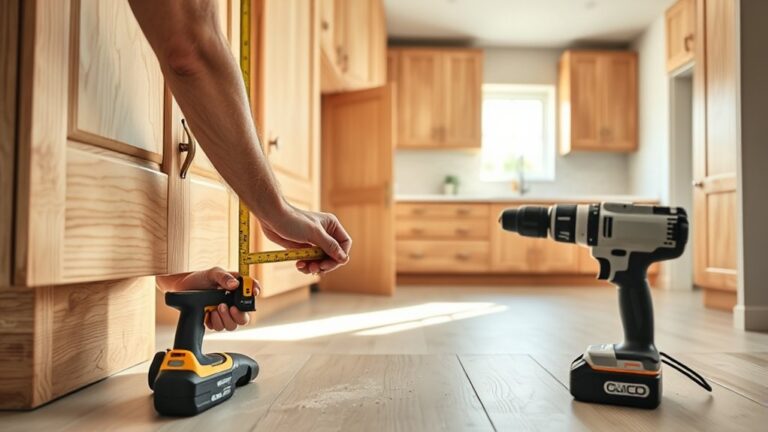
Because ceiling cabinets require precise alignment and secure installation, you’ll want to prepare thoroughly before starting the process. Begin by measuring your space accurately and marking stud locations to guarantee your cabinets are firmly anchored. Use installation techniques like shimming to achieve perfect leveling, and consider reinforcing the cabinet backs for added stability.
When mounting, work with a partner for safety and precision.
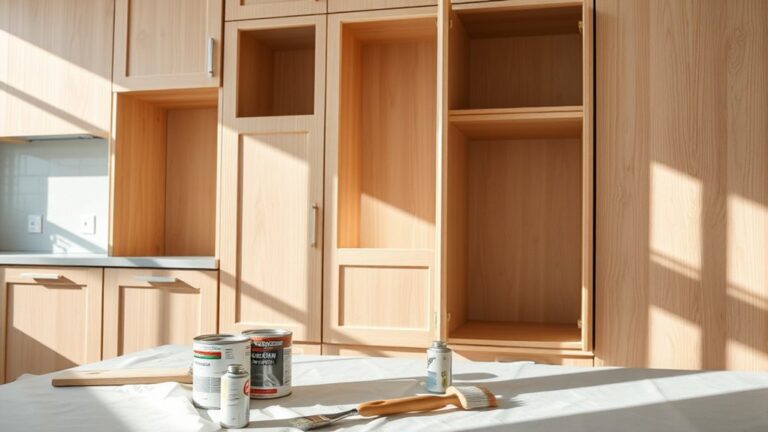
For maintenance tips, regularly check for loose screws or hinges and tighten them promptly. Clean the cabinets with a gentle, non-abrasive cleaner to preserve finishes and prevent damage. Inspect seals around the ceiling to avoid dust or moisture buildup.
Frequently Asked Questions
What Materials Are Best for Ceiling-Height Kitchen Cabinets?
You’ll want durable cabinet materials like solid wood or plywood with veneer for strength and elegance. These choices complement various design aesthetics, ensuring your ceiling-height kitchen cabinets look polished while standing up well to daily use.
How Do Ceiling Cabinets Impact Kitchen Lighting?
You’ll notice ceiling cabinets can reduce lighting efficiency by blocking natural light, impacting cabinet aesthetics. Yet, integrating under-cabinet LED strips can enhance brightness and beautifully highlight your kitchen’s design, balancing style with function seamlessly.
Can Ceiling Cabinets Increase Home Resale Value?
You can increase home resale value by installing ceiling cabinets, as design trends favor maximizing storage and sleek looks. Buyers prefer these modern, space-efficient designs, making your kitchen more appealing and potentially boosting your property’s marketability.
Are Ceiling-Height Cabinets Compatible With All Kitchen Layouts?
You won’t believe how ceiling-height cabinets can transform your kitchen’s space optimization and aesthetic appeal! While they suit most layouts, some tight or low-ceiling kitchens might need tailored designs to balance practicality and style perfectly.
How Do Ceiling Cabinets Affect Kitchen Ventilation?
Ceiling cabinets can impact ventilation efficiency by restricting airflow if placed near vents or exhausts. You’ll need thoughtful cabinet design to guarantee proper clearance and maintain ideal kitchen ventilation without compromising aesthetics or functionality.