How to Make Old Kitchen Cabinets Look New
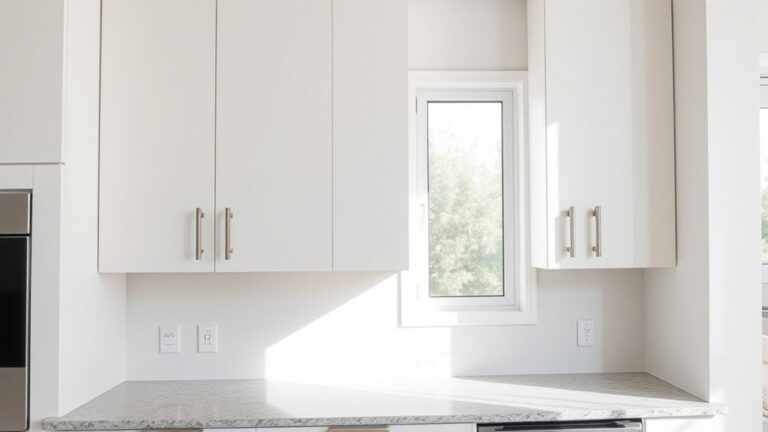
To make your old kitchen cabinets look new, start by evaluating their condition and style.
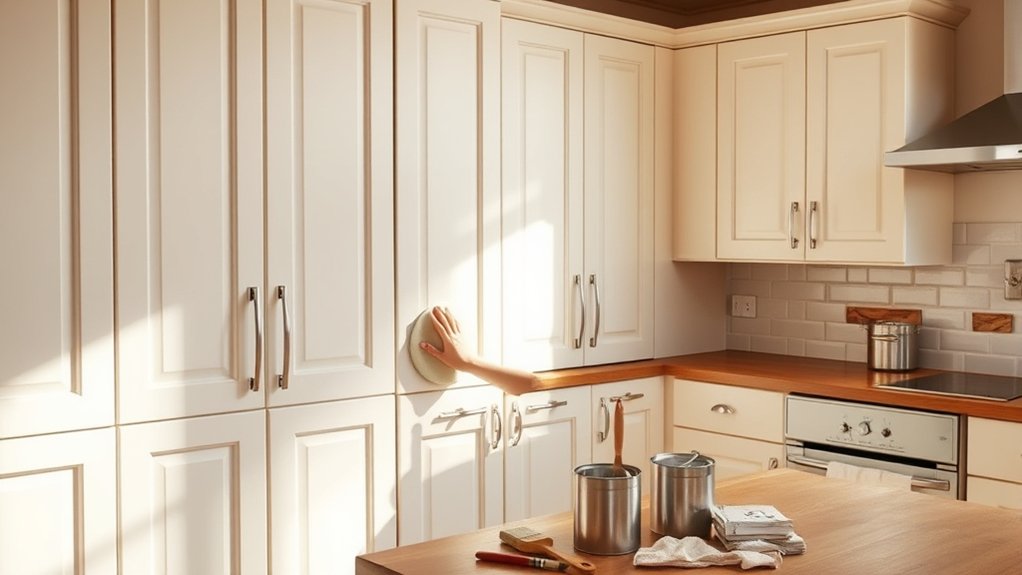
Thoroughly clean and sand them to prep for a new finish. This initial step is crucial for achieving a smooth, lasting result.
Choose paint or stain that complements your kitchen’s palette and offers durability. Upgrading hardware can provide an instant style boost.
Additionally, consider adding molding or trim to introduce architectural interest.
Revamping the cabinet interiors not only enhances function but also increases appeal.
Keep going to uncover expert tips that balance style and practicality for a stunning transformation.
Evaluate Your Kitchen Cabinets’ Condition and Style
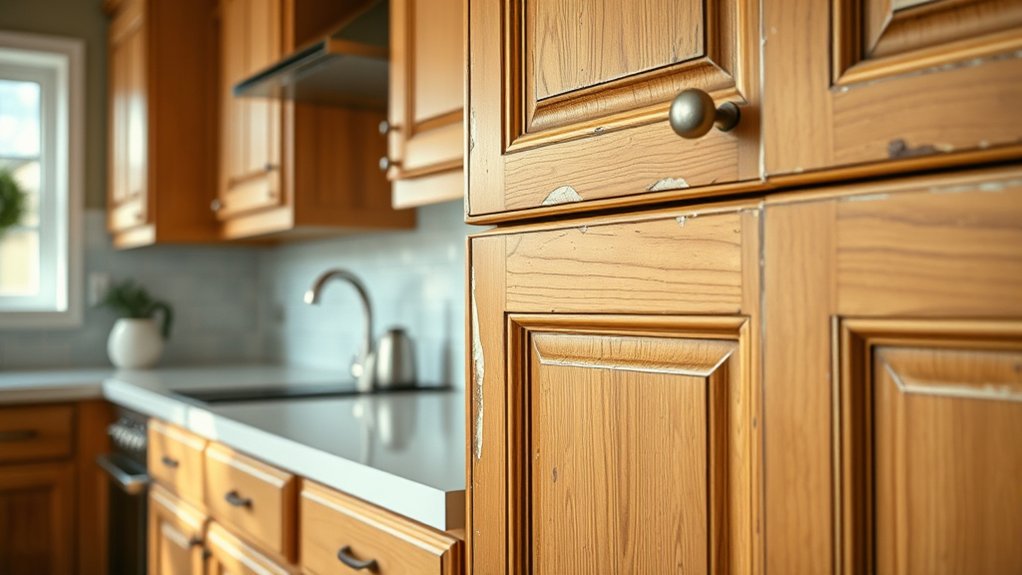
Before you begin any refinishing or renovation, take a close look at your kitchen cabinets to assess their current condition and style. Carefully examine the cabinet style, whether traditional, shaker, or modern, and note any damage like scratches, warping, or loose hinges.
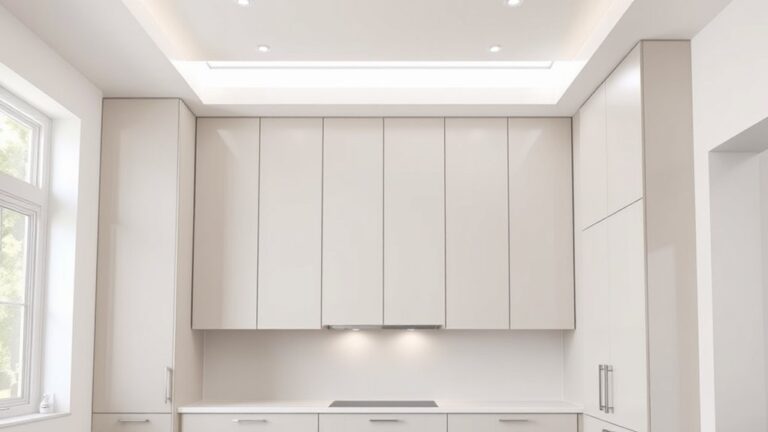
Understanding your cabinets’ structural integrity helps determine if refinishing is feasible or replacement is necessary. Next, consider current color trends that complement your kitchen aesthetics. Neutral tones like soft grays and whites remain popular, while bold colors such as navy or forest green offer a contemporary edge.
Matching your cabinet style with updated color trends guarantees a cohesive, refreshed look. This initial evaluation lays a solid foundation for transforming your cabinets, aligning design choices with both practicality and visual appeal.
Clean and Prep Cabinets for Painting or Staining
Start by thoroughly removing all dirt and grease from your cabinets to guarantee the new finish adheres properly. Next, sand the surfaces smoothly to eliminate imperfections and create an even base.
Taking these careful steps will set the foundation for a flawless paint or stain application.
Remove Dirt and Grease
Scrub away accumulated dirt and grease to guarantee your cabinets are perfectly clean and ready for painting or staining. Deep cleaning is essential to remove stubborn residues that can interfere with paint adhesion and stain absorption. Focus on grease removal, especially around handles and corners, where buildup is common.
To achieve a thorough cleanse, follow these steps:
Use a degreasing cleaner or a mixture of warm water and dish soap for effective grease removal. Wipe down surfaces with a microfiber cloth to capture fine particles. Rinse with clean water to eliminate any cleaner residue. Dry cabinets completely to prevent moisture from affecting your finish.
Sand Surfaces Smoothly
Smoothly sanding your kitchen cabinets is an essential step to confirm paint or stain adheres evenly and lasts longer. Begin with a medium-grit sandpaper (around 120-grit) to remove any old finish or imperfections. Use gentle, consistent sanding techniques, following the wood grain to avoid scratches.
For detailed areas or corners, switch to a sanding sponge or fine-grit sandpaper to maintain precision. After initial sanding, wipe away dust with a tack cloth, then lightly sand again using fine-grit paper (220-grit) to create a smooth surface.
This thorough surface preparation improves adhesion and confirms a flawless finish. Taking your time with sanding techniques not only enhances the cabinet’s appearance but also extends the durability of your paint or stain, giving your kitchen a fresh, renewed look.
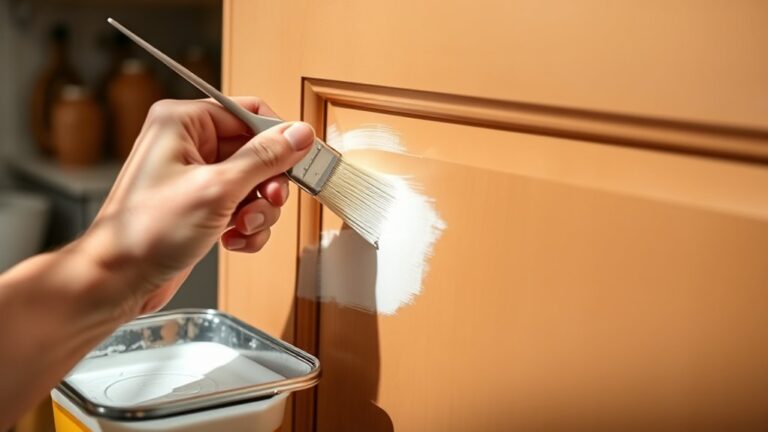
Choose and Apply Paint or Stain for a Fresh Kitchen Look
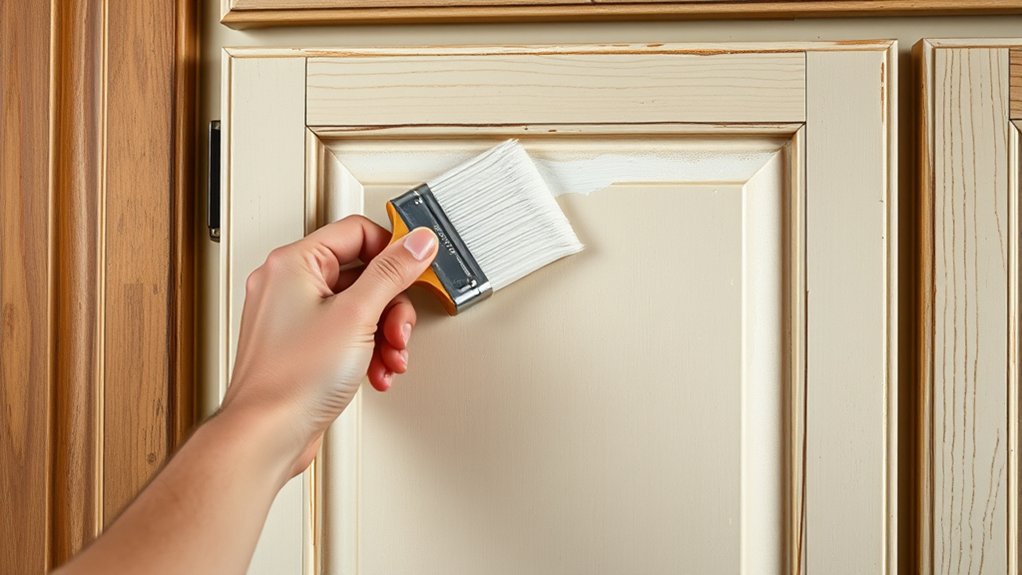
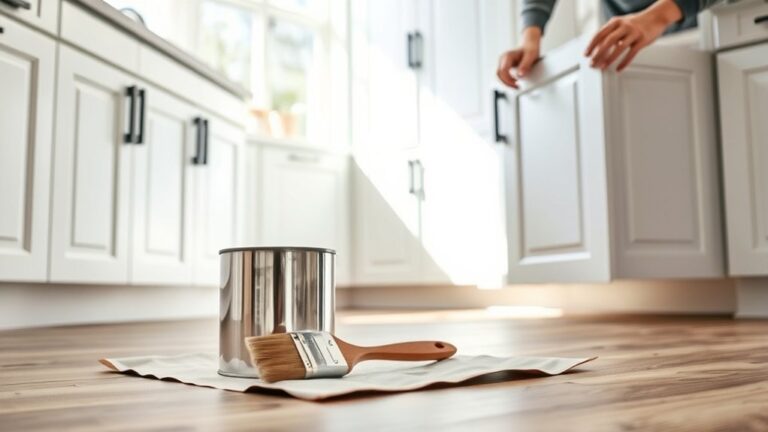
You’ll want to carefully select the right finish to complement your kitchen’s style and withstand daily wear. Deciding between paint and stain depends on whether you prefer a bold, opaque look or a natural, wood-enhancing effect.
Applying your chosen product with proper technique guarantees a smooth, durable surface that rejuvenates your cabinets beautifully.
Selecting The Right Finish
Although selecting the right finish may seem straightforward, choosing between paint and stain requires careful consideration of your kitchen’s style, existing wood condition, and desired durability. To make an informed choice, focus on finish types and color selection that enhance your cabinets’ character while providing protection.
Consider these key points:
- Assess wood grain visibility to decide if a transparent or opaque finish suits your aesthetic.
- Match color selection to your kitchen’s palette for a cohesive look.
- Evaluate the finish’s durability against daily wear and moisture.
- Factor in ease of maintenance to keep cabinets looking fresh longer.
Painting Versus Staining
How do you decide whether to paint or stain your kitchen cabinets for a fresh, updated look? Start by considering your desired aesthetic and the existing wood grain. Painting offers a wide range of color choices, allowing you to create a bold or subtle statement. It also provides a uniform finish that can conceal imperfections.
Staining, on the other hand, enhances the natural beauty of the wood, showcasing its texture and character with a more organic feel.
Durability factors play a significant role. Paint generally resists wear and is easier to clean, making it ideal for high-traffic kitchens. Stain penetrates the wood, offering longevity but may require periodic reapplication to maintain vibrancy.
Weigh these elements carefully to select the finish that best fits your style and lifestyle.
Replace or Upgrade Kitchen Cabinet Hardware
Upgrade your kitchen’s appearance effortlessly by replacing or upgrading the cabinet hardware. Swapping out old knobs and pulls can transform your cabinets instantly, giving them a fresh, stylish look without a full renovation.
Whether you prefer sleek, modern hardware or charming vintage knobs, the right choice elevates your kitchen’s aesthetic.
Consider these tips when selecting hardware:
- Match finishes to your kitchen’s color palette for cohesive style.
- Choose durable materials like brushed nickel or matte black for longevity.
- Opt for comfortable, ergonomic designs to enhance usability.
- Mix and match modern hardware with vintage knobs for a unique, personalized touch.
Enhance Cabinets With Molding and Decorative Trim
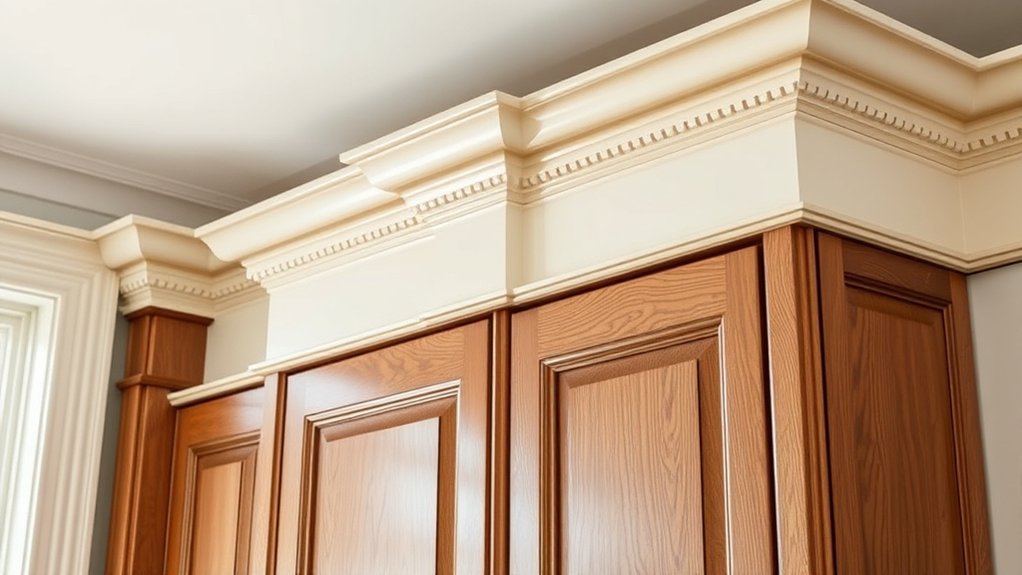
After revitalizing your cabinets with new hardware, adding molding and decorative trim can further elevate their style and presence. Choose molding styles that complement your kitchen’s overall design. Crown molding adds elegance, while beadboard trim brings a rustic charm.
Use precise trim techniques like mitered corners and layering to create depth and visual interest. Carefully measure and cut molding pieces to guarantee seamless installation, paying attention to symmetry and alignment.
Whether you opt for simple, clean lines or intricate details, molding and trim can transform flat cabinet surfaces into architectural features. This approach not only enhances aesthetics but also adds perceived value.
Apply Contact Paper or Vinyl Wraps for Quick, Budget-Friendly Updates
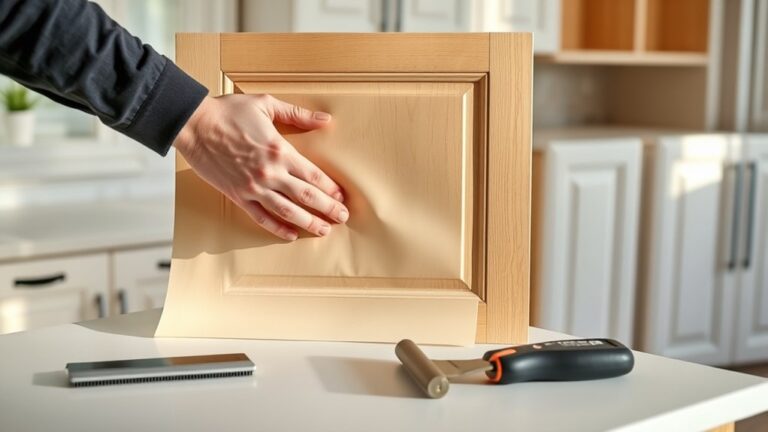
One of the fastest and most cost-effective ways to refresh your kitchen cabinets is by applying contact paper or vinyl wraps. These materials offer an instant facelift with diverse contact paper designs, suiting any style from modern to rustic.
Vinyl wrap benefits include durability, moisture resistance, and eco-friendly materials that minimize environmental impact. Before application, focus on surface preparation. Clean, smooth, and dry surfaces guarantee proper adhesion. Choose from various adhesive options tailored to your cabinet type.
Master application techniques like smoothing out bubbles and aligning patterns precisely. Compare costs: vinyl wraps tend to be pricier but last longer than contact paper. Consider durability factors to select materials that withstand kitchen wear. Opt for eco-friendly materials to combine style with sustainability.
Refresh Kitchen Cabinet Interiors for Added Appeal
While many focus on the exterior, revitalizing your kitchen cabinet interiors can greatly enhance both functionality and visual appeal. Start by choosing fresh interior colors that brighten the space and complement your kitchen’s style. Soft whites, light grays, or subtle pastels work well to create a clean, inviting look.
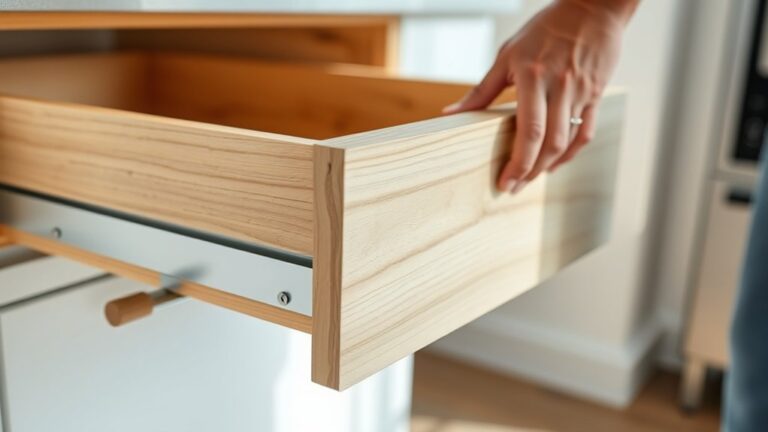
Next, integrate smart storage solutions like adjustable shelves, pull-out drawers, or built-in dividers to maximize organization and accessibility. These updates not only keep your cabinets tidy but also make everyday tasks easier.
Don’t forget to clean and repair any worn surfaces inside before painting or adding liners for a polished finish. By thoughtfully rejuvenating your cabinet interiors, you’ll enjoy a kitchen that feels renewed from the inside out, blending practicality with aesthetic charm.
Frequently Asked Questions
How Long Does It Take for Paint to Fully Cure on Cabinets?
The paint’s full cure time depends on paint types; typically, latex takes 2-3 weeks, while oil-based can need up to 30 days.
You’ll notice surface dryness sooner, but patience guarantees durability and finish perfection.
What Tools Are Essential for Removing Old Cabinet Hardware Safely?
When it comes to hardware removal, a steady hand is worth its weight in gold. Use a screwdriver set, pliers, and a putty knife to pry gently.
These safe techniques prevent damage and guarantee a smooth, professional job.
Can I Use a Brush Instead of a Spray Gun for Staining Cabinets?
Yes, you can use a brush instead of a spray gun for staining cabinets. Master brush techniques to apply stain evenly, avoid streaks, and enhance wood grain.
Use staining tips like working with the grain for a smooth, professional finish.
How Do I Prevent Mold Growth Inside Kitchen Cabinets?
Like guarding a castle, you’ll prevent mold growth by ensuring proper ventilation, wiping spills promptly, and using moisture absorbers.
Regular cabinet maintenance keeps your kitchen fresh, protecting your cabinets from mold’s unwelcome siege.
What Are the Best Lighting Options to Highlight Cabinet Features?
You’ll want to use LED strips and under cabinet lighting for subtle, even highlights. Add pendant lights or spotlight fixtures for focused accents, and consider accent lamps to create warmth and emphasize your cabinets’ unique features beautifully.