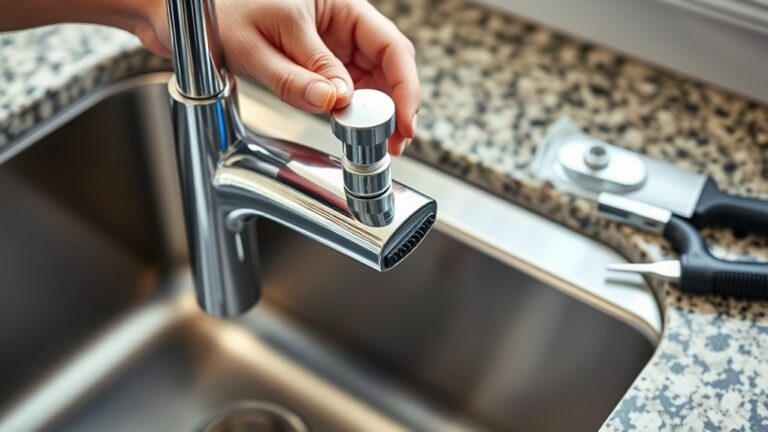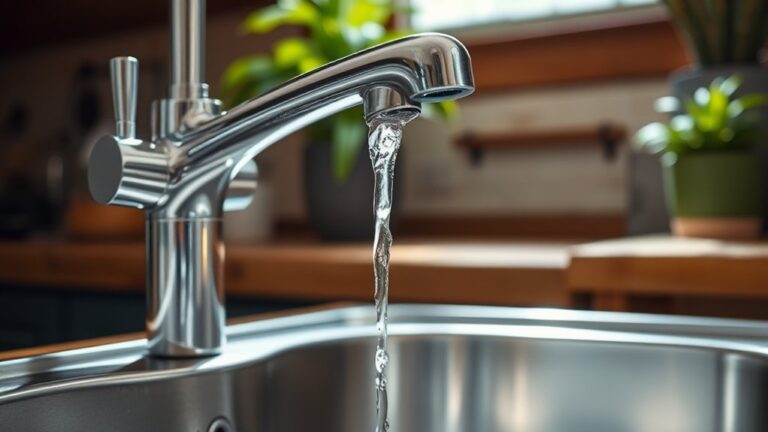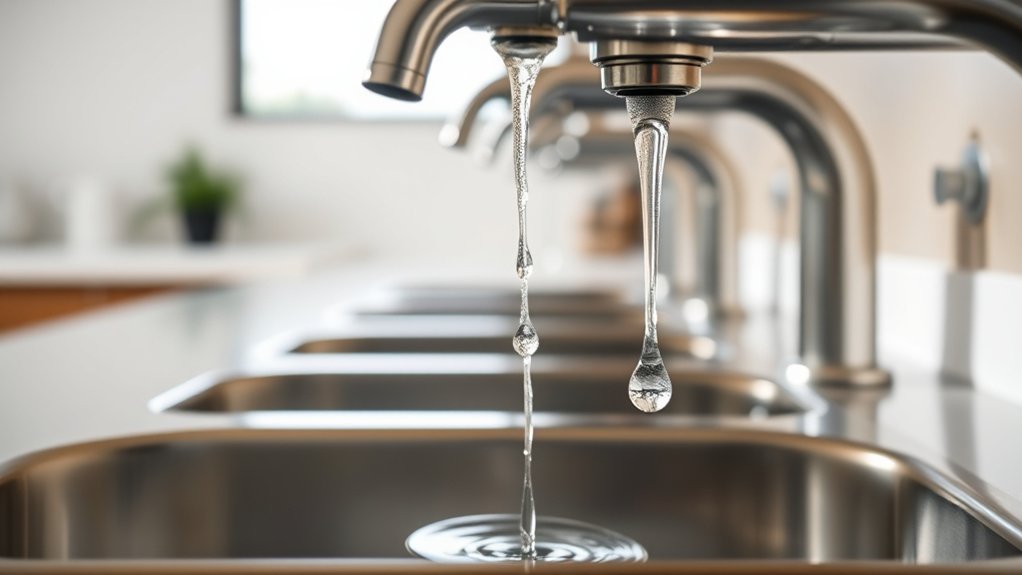
Do You Have to Drip All Faucets
You don’t have to drip all faucets — focus only on those connected to pipes in unheated or exposed areas. Dripping faucets in these vulnerable spots helps prevent frozen pipes and costly damage.
Prioritize single-handle faucets and outdoor hose bibs when temperatures drop near 20°F (-6°C).
Faucets inside heated rooms or on interior walls usually don’t need dripping. Adjust taps to a slow, steady drip to avoid wasting water and protect vulnerable plumbing sections.
To fully safeguard your system, understanding additional prevention methods will prove valuable.
Which Faucets Should You Drip During Freezing Weather?
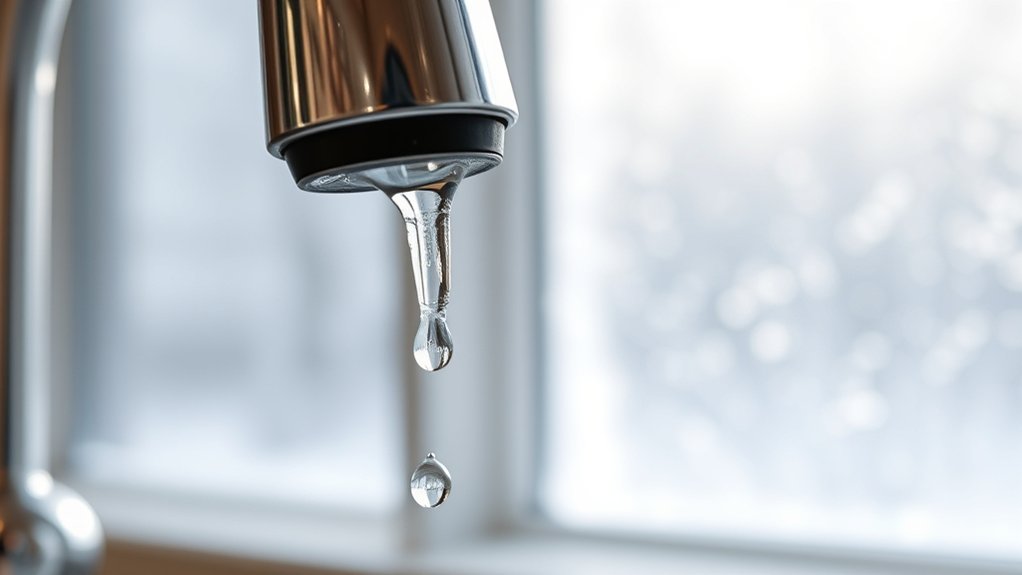
Which faucets should you drip during freezing weather to prevent pipe bursts? Focus on faucets connected to vulnerable pipes, especially those in unheated areas like basements, crawl spaces, or exterior walls.
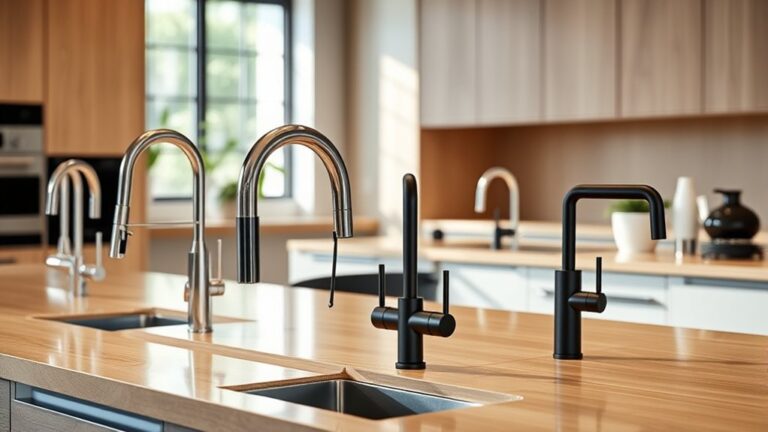
Prioritize single-handle faucets and outdoor hose bibs since their faucet types often lack insulation. Temperature considerations are critical; drip faucets when temperatures approach 20°F (-6°C) or below to maintain water flow and reduce freezing risk.
Avoid dripping all faucets indiscriminately; instead, target those servicing cold-prone sections of your plumbing. Kitchen and bathroom sinks on interior walls typically don’t require dripping unless exposed to extreme cold.
How to Drip Faucets Efficiently Without Wasting Water
Although dripping faucets helps prevent freezing pipes, you don’t have to let water run constantly to be effective. By using efficient drip methods, you can minimize water waste and maintain protection. Focus on maintaining a slow, steady drip just enough to keep water moving through the pipes.
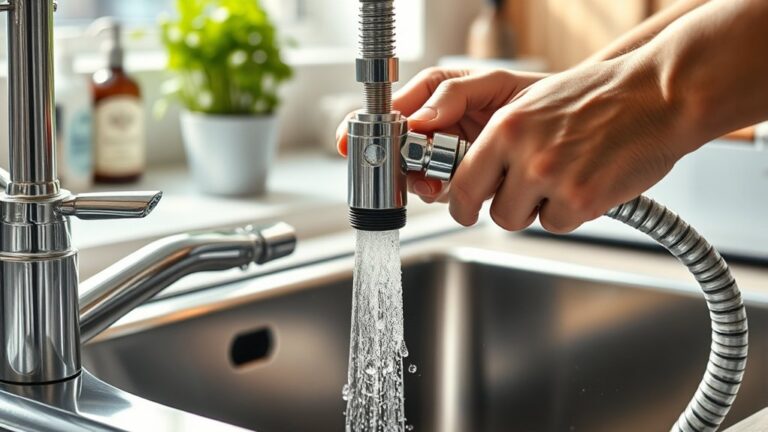
Drip faucets efficiently with a slow, steady flow to protect pipes without wasting water.
To drip faucets efficiently without wasting water:
- Adjust the faucet to a small, steady drip, not a stream, to reduce volume while preventing freezing.
- Use a bucket or container to catch excess water if dripping indoors, allowing reuse for other purposes.
- Prioritize faucets closest to vulnerable pipes and monitor drip rates regularly to optimize water conservation.
These steps help you balance pipe protection with responsible water use during freezing conditions.
When Dripping Faucets Isn’t Necessary for Your Home
When do you actually need to drip faucets to prevent freezing? You don’t have to drip all faucet types under every condition. Faucets located indoors or in heated areas rarely require dripping.
Also, modern frost-proof faucets resist freezing better, reducing the need to drip. Pay attention to local temperature thresholds; if outdoor temperatures stay above 20°F (-6°C), dripping is often unnecessary.
Conversely, exposed outdoor faucets or those in unheated spaces may need dripping once temperatures drop below this threshold. Additionally, homes with well-insulated plumbing are less vulnerable.
Evaluating faucet types, their location, and temperature thresholds helps you decide when dripping is essential, preventing wasteful water use and unnecessary effort. Use this approach to focus your efforts efficiently and avoid dripping faucets when conditions don’t demand it.
Why Letting Your Faucets Drip Stops Pipes From Freezing
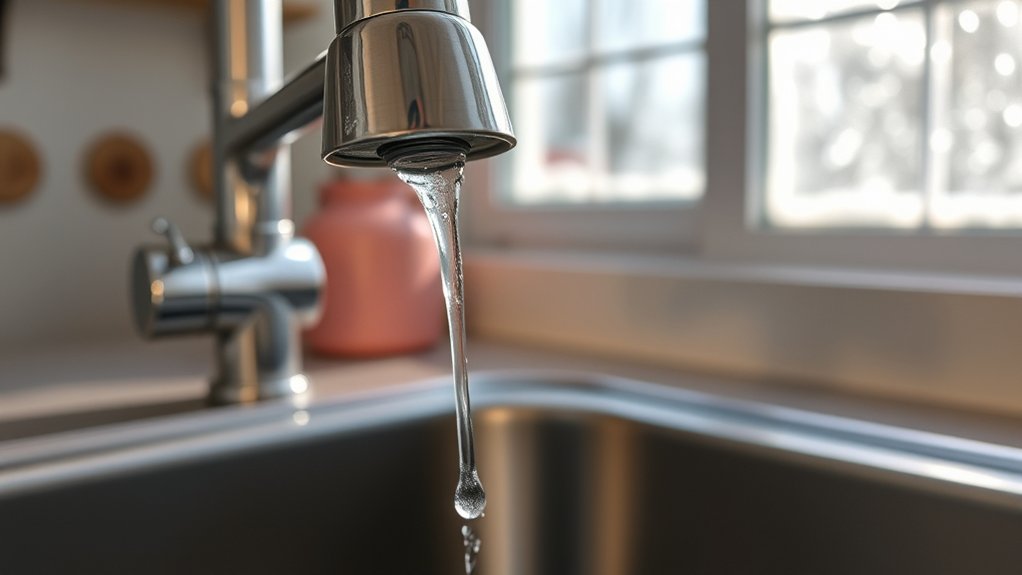
Since water expands as it freezes, letting your faucets drip keeps water moving through the pipes, reducing pressure buildup that causes freezing and pipe bursts. When water is stagnant, freezing is more likely, especially during sudden temperature fluctuations. Dripping faucets prevent this by maintaining flow and relieving pressure.
Here’s why dripping helps prevent frozen pipes:
- Continuous flow minimizes ice formation inside pipes.
- Reduced pressure buildup lowers the risk of pipe bursts.
- Supports pipe insulation effectiveness by preventing cold spots.
Additional Ways to Protect Your Plumbing From Frozen Pipes
Letting your faucets drip is a simple way to reduce the risk of frozen pipes, but it’s not the only measure you should take. Implement insulation techniques by wrapping pipes in foam sleeves or fiberglass to maintain temperature and prevent freezing.
Let faucets drip and insulate pipes with foam or fiberglass to prevent freezing during cold weather.
Pay special attention to vulnerable areas such as basements, crawl spaces, and exterior walls. You can also install heating cables along pipes; these self-regulating cables generate heat to keep water flowing smoothly, especially in extreme cold.
Ascertain the cables are properly secured and follow manufacturer guidelines to avoid hazards. Combining these methods with dripping faucets enhances protection, reducing the chance of costly pipe bursts.
Regular inspection and maintenance of your plumbing system in winter further minimize freezing risks and maintain system integrity.
Frequently Asked Questions
Can Dripping Faucets Increase My Water Bill Significantly?
Can a dripping faucet really impact your bill? Yes, even small leaks add up.
Conduct a cost analysis to balance water conservation benefits against expenses, ensuring your dripping faucets don’t markedly increase your water costs over time.
Is Dripping Faucets Safe for All Types of Plumbing Systems?
Dripping faucets are generally safe if your plumbing materials handle low flow well. However, you should guarantee proper pipe insulation to prevent freezing.
Some older or delicate systems might require alternative winterizing methods.
How Cold Does It Need to Be Before Dripping Faucets Is Recommended?
You should start dripping faucets when temperatures drop below 20°F (-6°C), as frozen pipes risk increases.
Maintaining a slow drip helps prevent freezing by keeping water moving, especially in vulnerable plumbing areas and exposed pipes.
Can I Use Hot Water to Drip Instead of Cold Water?
Think of hot water as a gentle engine warming your pipes. You can use hot water for faucet dripping; it helps prevent freezing by maintaining warmth.
Hot water benefits include reducing ice buildup and protecting plumbing efficiently.
Does Dripping Faucets Help Prevent Bursting in Outdoor Pipes?
Yes, dripping faucets helps prevent bursting in outdoor plumbing by relieving pressure buildup. Combine this with proper pipe insulation to minimize freezing risks, ensuring your pipes stay safe during cold weather and reducing costly repairs.