Do Faucet Covers Work
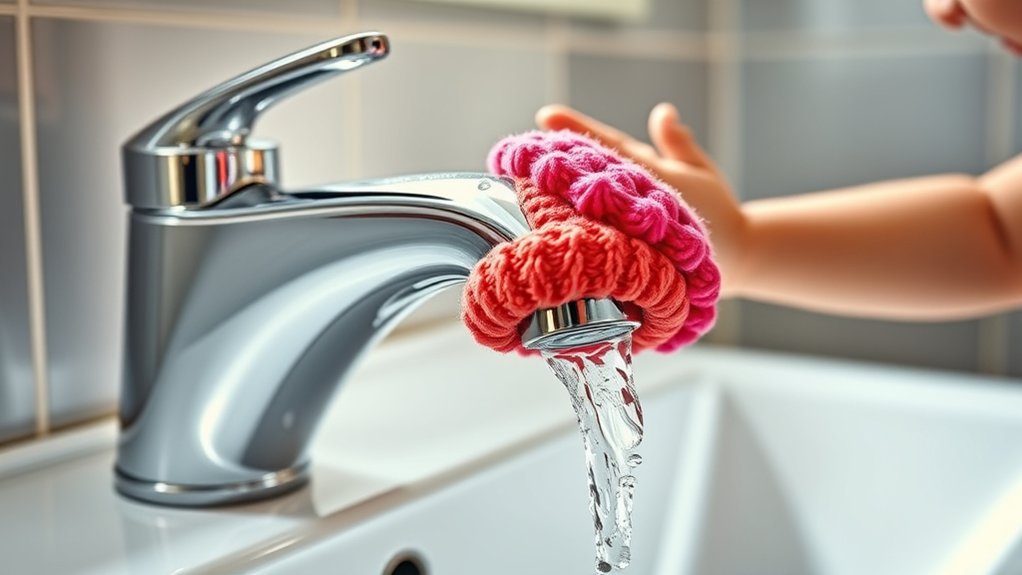
Faucet covers can effectively reduce your child’s risk of head injuries and burns by cushioning sharp edges and insulating hot surfaces.
When it comes to do faucet covers work, they perform best when made from quality materials like soft silicone, fit securely to various faucet shapes, and are properly installed.
However, they’re not foolproof and don’t eliminate all risks.
If you want to understand which covers offer the best protection and how to choose and install them correctly, you’ll find practical insights ahead.
Do Faucet Covers Really Keep Kids Safe?
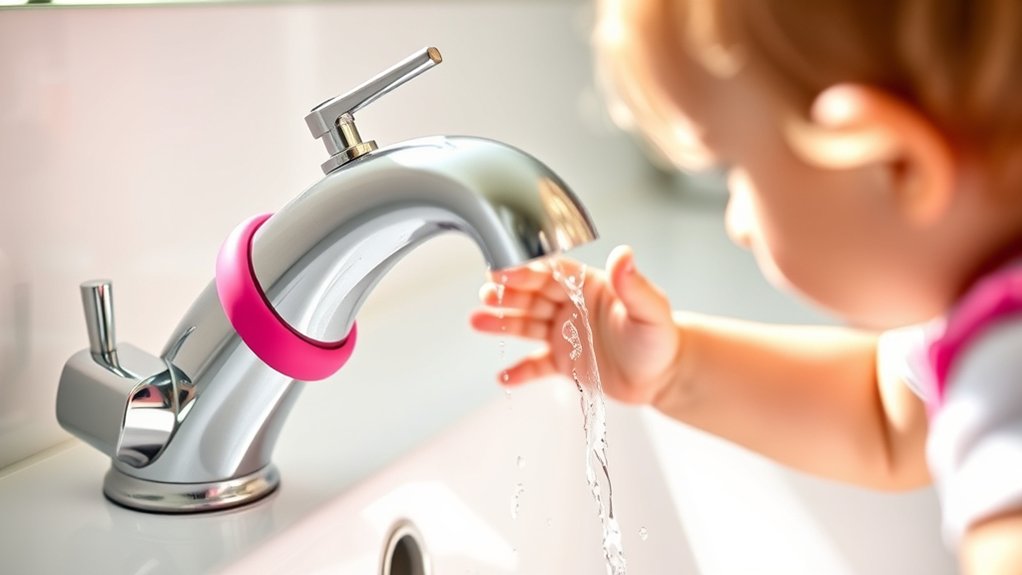
How effective are faucet covers at protecting children from injuries? When considering child safety, faucet covers offer a practical solution by cushioning sharp edges and minimizing impact risks. Their design complements existing faucet design features, adapting to various shapes and sizes to guarantee a secure fit.
You’ll find that these covers reduce the likelihood of bumps and bruises caused by direct contact with hard metal surfaces. However, their effectiveness depends heavily on correct installation and material quality. While faucet covers address surface hazards, they do not modify faucet functionality or water temperature controls.
Consequently, you should view them as one component in a broader child safety strategy, rather than a standalone safeguard against all faucet-related injuries.
How Faucet Covers Prevent Head Injuries and Burns
Because faucets often protrude at head height for children, you can greatly reduce the risk of head injuries by installing faucet covers. These covers provide a cushioned barrier that absorbs impact, considerably lowering injury statistics related to accidental bumps.
Additionally, faucet covers help prevent burns by insulating the faucet surface, which can become dangerously hot due to high faucet temperature. By maintaining a protective layer, covers reduce direct contact with hot metal, minimizing burn incidents.
Injury statistics show that head trauma and burns from faucets are common in households with young children, making covers a practical safety measure. Installing them offers an effective defense, addressing both mechanical impact and thermal hazards, helping you create a safer environment in bathrooms and kitchens.
Which Faucet Covers Are Best for Keeping Kids Safe?
What makes a faucet cover truly effective for child safety? You want to focus on faucet cover types that offer robust padding combined with secure attachment mechanisms.
Soft silicone covers excel by cushioning impact and preventing injury, while hard plastic shells provide durable protection against bumps. Prioritize covers with safety features like non-slip interiors and strong, adjustable straps or Velcro fasteners to guarantee they stay firmly in place.
Some models include temperature indicators or reflective surfaces for added warning. Avoid covers that are too loose or made from rigid materials that may crack.
What Are the Limitations of Faucet Covers?
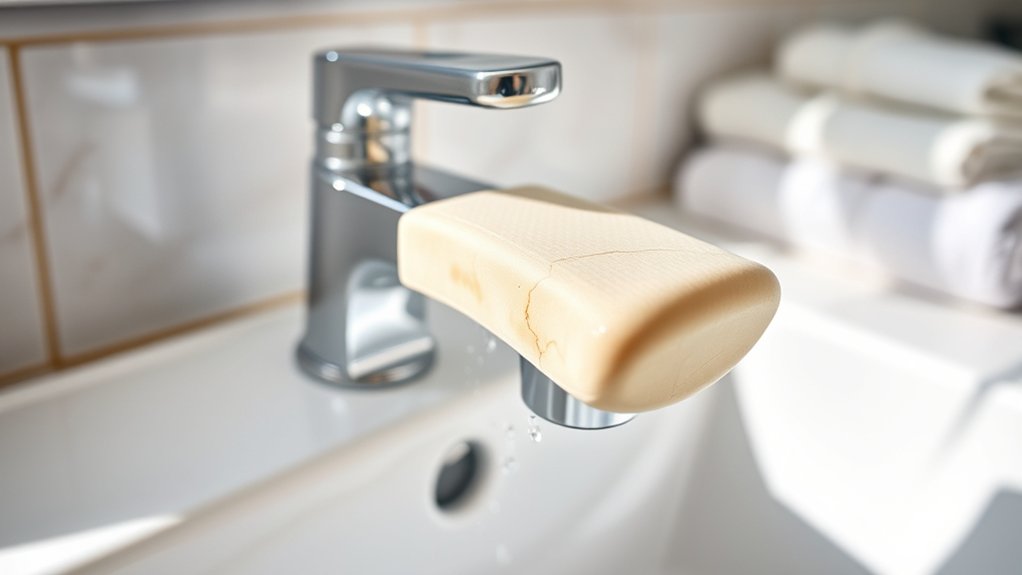
Although faucet covers provide added safety, they come with limitations you should consider. The effectiveness of faucet covers depends heavily on the materials used; low-quality foam or plastic can degrade quickly, reducing protection and requiring frequent replacement.
Additionally, some materials may not resist mold or mildew well in damp environments, compromising hygiene. Installation challenges also arise. If the cover doesn’t fit your faucet’s shape or size precisely, it won’t stay secure, limiting its protective function.
You might find certain faucet designs incompatible with available covers, further restricting their use. Furthermore, faucet covers don’t prevent all injury risks, such as burns from hot water, so relying solely on them isn’t advisable. Understanding these constraints helps set realistic expectations for faucet cover performance.
How to Choose and Install Faucet Covers
Recognizing the limitations of faucet covers helps you make informed choices when selecting the right product. Start by evaluating faucet cover materials. Silicone offers flexibility and durability, while foam provides lightweight insulation but may degrade faster.
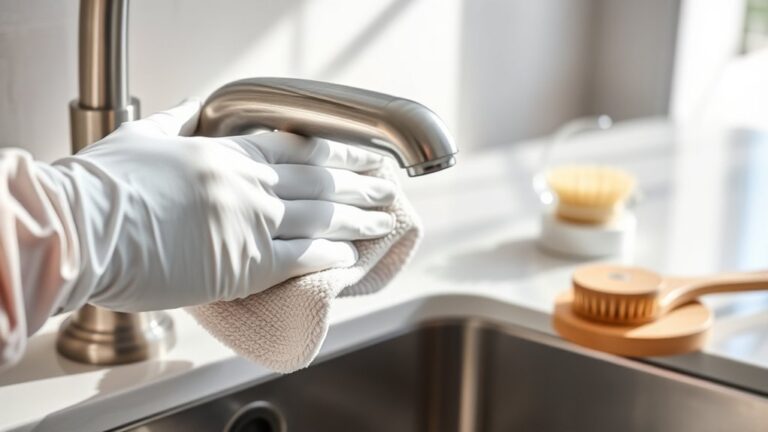
Guarantee compatibility with your faucet’s shape and size to optimize protection. For installation, clean the faucet surface thoroughly to improve adhesion. Follow installation tips like securing the cover firmly without obstructing water flow or handles.
Use adjustable or stretchable designs for easier fitting. Avoid covers that trap moisture, which can cause corrosion underneath. Properly installed faucet covers reduce freezing risk and damage, but always inspect them regularly for wear or displacement.
Selecting quality materials and applying precise installation techniques guarantees maximum effectiveness and longevity.
Frequently Asked Questions
Are Faucet Covers Waterproof and Easy to Clean?
Yes, faucet covers usually use waterproof materials like silicone or vinyl, making them resistant to water damage. You can easily clean them by wiping with mild soap and water, using simple cleaning methods to maintain hygiene efficiently.
Can Faucet Covers Be Used on Outdoor Faucets?
Yes, you can use faucet cover types like foam or insulated plastic on outdoor faucets. For best results, follow installation tips: guarantee a snug fit, secure with straps, and check for weather resistance to protect against freezing conditions.
Do Faucet Covers Affect Water Flow or Temperature?
You won’t notice faucet covers affecting water flow or temperature considerably. Their insulation properties help maintain temperature, enhancing water efficiency by reducing heat loss, but they don’t restrict water pressure or change flow rates during use.
How Long Do Faucet Covers Typically Last?
Faucet covers typically last 1-3 years, coincidentally matching the durability factors tied to material types like foam or silicone.
Your cover’s lifespan depends on exposure, usage, and maintenance, so choose materials wisely for longer-lasting protection.
Are Faucet Covers Safe for Pets?
Yes, faucet covers enhance faucet safety by preventing sharp edges from injuring your pets. They offer effective pet protection, but confirm covers fit securely and are made from non-toxic materials for maximum safety around animals.