How Much Does It Cost to Paint Kitchen Cabinets
You can expect to spend between $1,200 and $4,000 to paint kitchen cabinets, depending on your kitchen size, cabinet material, and paint quality.
Larger kitchens and detailed cabinetry increase labor and prep costs. Solid wood cabinets often require more prep than MDF.
Choosing durable semi-gloss or satin finishes will boost longevity.
Professional painting costs more but guarantees a smooth, lasting result.
Explore further to understand how prep, paint type, and labor affect your final budget.
Average Kitchen Cabinet Painting Costs
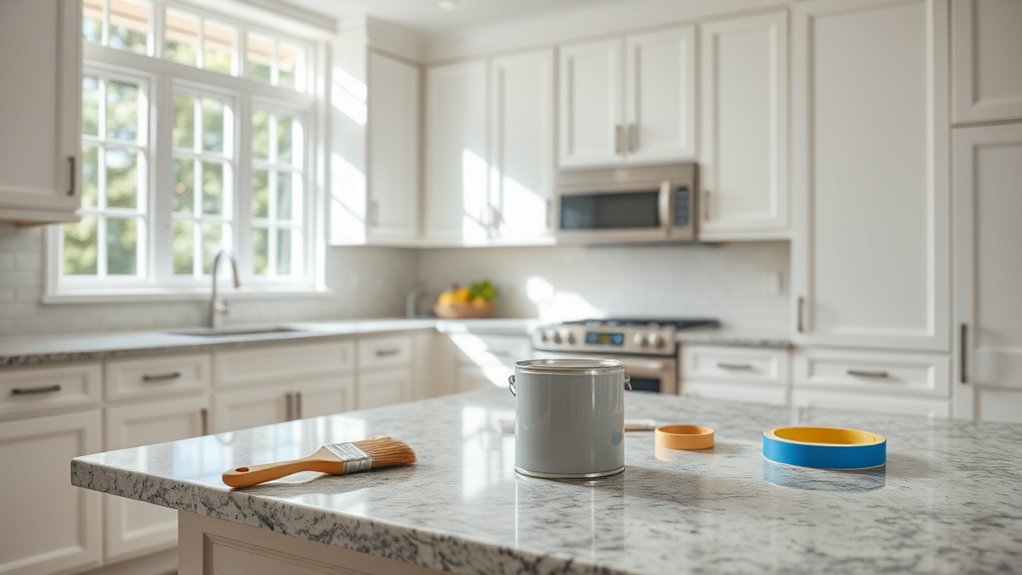
When you decide to paint your kitchen cabinets, understanding the average costs can help you budget effectively. Typically, painting kitchen cabinets ranges from $1,200 to $4,000, depending on factors like labor, materials, and prep work.
Your color selection greatly affects the price; custom or trendy colors may increase costs due to specialized paints or multiple coats. Finish durability is vital too. Choosing a high-quality, durable finish like semi-gloss or satin guarantees your cabinets resist scratches and moisture, extending their lifespan.
Keep in mind that prepping the cabinets, including cleaning and sanding, adds to the expense but is necessary for a smooth, long-lasting result. By considering these elements, you’ll avoid surprises and get the best value from your cabinet painting project.
How Kitchen Size Influences Painting Costs
The size of your kitchen plays a significant role in determining the overall cost to paint your cabinets. A larger kitchen layout with more extensive cabinet dimensions requires more paint coverage and increases labor hours, directly raising expenses.
Larger kitchens need more paint and labor, increasing the overall cabinet painting cost.
Smaller kitchens typically involve less surface area, making the project quicker and more affordable. Your kitchen style also matters; intricate designs or raised panels demand extra prep work, affecting time and cost.
Color selection can influence the number of coats needed, which impacts labor and materials. Don’t overlook cabinet hardware. Removing and reinstalling knobs or handles adds to labor hours.
Additionally, choosing a finish with higher durability may cost more upfront but can save money over time by reducing touch-ups in busy kitchens. Understanding these factors helps you budget effectively.
Best Paint Types for Kitchen Cabinets

Selecting the right paint type profoundly affects both the appearance and durability of your kitchen cabinets, directly influencing your overall painting costs. You’ll want to choose paints with durable paint finishes like semi-gloss or satin, as they resist chipping and are easy to clean. These finishes are perfect for high-traffic kitchens.
Acrylic latex paint is a popular choice because it dries quickly and offers excellent adhesion. Oil-based paints provide a smooth, durable finish but require more ventilation and longer drying times.
When considering color trends, neutrals and soft pastels remain timeless, while bolder hues add personality but may need more frequent updates. Ultimately, selecting the right paint and finish helps extend your cabinets’ lifespan, reduces maintenance costs, and keeps your kitchen looking fresh and stylish.
How Cabinet Material Affects Painting Expenses
Because different cabinet materials require varied preparation and paint types, your overall painting expenses can fluctuate considerably. When comparing cabinet types, solid wood generally demands more surface preparation to guarantee proper paint adherence, increasing labor costs.
Medium-density fiberboard (MDF) offers smoother surfaces that reduce prep time but may require specialized primers to enhance finish durability. Laminate or thermofoil cabinets often need extensive sanding or bonding agents, raising costs due to material quality challenges.
Understanding these differences helps you anticipate expenses accurately. For instance, painting solid wood usually costs more upfront but yields a longer-lasting finish, while MDF balances cost and quality. Laminate options often fall on the higher end due to prep complexity.
This cost comparison highlights how material choice directly impacts both your budget and the longevity of your cabinet’s new look.
DIY vs. Professional Cabinet Painting Costs

Understanding how cabinet materials influence painting costs sets the stage for deciding whether to tackle the project yourself or hire a professional. When comparing DIY vs. professional cabinet painting costs, consider these factors:
- Cabinet styles: Intricate designs demand more time and skill, impacting cost and effort.
- Painting techniques: Professionals use advanced methods like spraying for a smooth finish, while DIY might rely on brushes or rollers.
- Time and tools: DIY saves labor fees but requires investing in quality prep and painting tools.
If you’re comfortable with detail work and have time, DIY can be cost-effective. However, if you want flawless results on complex cabinet styles, hiring a pro guarantees expertise, efficient painting techniques, and long-lasting finishes. Balancing these points will help you decide what fits your budget and skill level best.
How Prep Work Affects Your Painting Budget
While painting might seem straightforward, the prep work can greatly impact your overall budget. Proper surface preparation is essential; skipping thorough cleaning methods or adequate sanding options can lead to poor paint adhesion and a shorter-lasting finish.
Investing time in prep techniques like degreasing cabinets and lightly sanding surfaces creates a smooth base, improving primer benefits. Using a quality primer not only seals the wood but also enhances paint durability, reducing the need for costly touch-ups.
However, these steps add to your time investment and upfront cost implications. If you underestimate prep work, you might face additional expenses down the line due to peeling or chipping paint. So, budgeting for detailed prep work upfront guarantees a professional, long-lasting result that ultimately saves money.
Ways to Save Money When Painting Kitchen Cabinets
You can cut costs by selecting affordable yet durable paint options that still deliver great results. Deciding whether to tackle the job yourself or hire a professional will also impact your budget considerably.
Plus, careful prep work can save you money by preventing costly mistakes and reducing the amount of paint needed.
Choose Affordable Paint Options
Picking the right paint can greatly reduce your kitchen cabinet makeover costs without sacrificing quality. You don’t have to splurge on premium brands to get a durable, attractive finish. Here’s how to choose affordable paint options that work:
- Look for budget friendly paints that offer good coverage and durability. Acrylic latex paints are a great choice.
- Consider eco friendly options, like low-VOC or water-based paints, which are safer for your home and environment without extra cost.
- Buy paint in smaller quantities if you have fewer cabinets to cut waste and expense.
DIY Vs. Professional Costs
Although hiring a professional can guarantee a flawless finish, taking on the project yourself can greatly cut costs when painting kitchen cabinets. When you DIY, you control every step, including color selection, allowing you to pick shades that suit your style without markup fees.
You’ll save on labor, but keep in mind that achieving finish durability requires careful technique and quality materials. Professionals often use specialized tools and primers that extend longevity, so if you choose to DIY, invest time in learning proper application methods.
While the upfront cost is lower doing it yourself, a professional’s expertise might save you money long-term by avoiding premature touch-ups. Ultimately, weigh your skills and patience against budget and desired outcome to decide the best route for painting your cabinets.
Prep Work Savings Tips
Whether you decide to paint your kitchen cabinets yourself or hire a professional, preparing the surface properly can save money and improve the final result. Mastering essential prep techniques helps reduce costly mistakes and lowers your overall cost estimation.
Here are three practical ways to save during prep work:
- Clean Thoroughly: Use a degreaser to remove grime, avoiding extra sanding or repainting.
- Sand Efficiently: Focus on high-touch areas with medium-grit sandpaper to guarantee paint adhesion without overdoing it.
- Fill and Prime Selectively: Patch only visible dents or holes and apply primer in targeted spots to save on materials and time.
Common Hidden Fees That Increase Painting Costs
When you plan to paint your kitchen cabinets, be ready for extra material costs like special primers or high-quality paint that aren’t always included in initial quotes.
You’ll also face higher charges if the job involves complex labor, such as intricate cabinet designs or extensive prep work. Knowing these hidden fees upfront helps you avoid surprises and budget more accurately.
Additional Material Expenses
Several hidden fees can quickly add up during a kitchen cabinet painting project, often catching homeowners off guard. You’ll want to budget for additional material expenses beyond just paint. These costs can vary based on the quality and type of supplies used.
- Brush Types Different brushes serve distinct purposes. High-quality synthetic or natural bristles improve finish and durability but cost more upfront.
- Primer Options Choosing the right primer is essential for adhesion and coverage. Specialty primers for wood, laminate, or stain-blocking typically come at a higher price.
- Sanding and Cleaning Supplies Proper surface prep requires sandpaper, tack cloths, and degreasers, which add to your material expenses.
Factoring these items in helps you avoid surprises and guarantees a professional-looking result.
Labor Complexity Charges
Understanding the three main factors that drive up labor complexity charges can help you better anticipate the true cost of painting your kitchen cabinets. First, intricate cabinet designs with detailed moldings or multiple panels increase the time and precision required, raising labor rates.
Second, the condition of your cabinets matters. Damaged surfaces or previous coatings needing extra prep add complexity factors that extend work hours.
Third, the number and arrangement of cabinets impact how labor is calculated; hard-to-reach or irregular layouts demand more effort. These complexity factors directly influence labor rates, often causing hidden fees that surprise homeowners.
Estimating Kitchen Cabinet Painting Costs
Estimating kitchen cabinet painting costs involves evaluating multiple factors that influence the final price. To get an accurate estimate, you’ll need a clear cost breakdown and smart budgeting strategies.
Here are three key components to take into account:
- Cabinet Size and Quantity: More cabinets mean higher material and labor costs.
- Surface Preparation: Repairing, sanding, and priming add to the overall expense but guarantee durability.
- Paint Type and Finish: Premium paints and specialty finishes increase costs but improve longevity and aesthetics.
Frequently Asked Questions
How Long Does It Take for Painted Cabinets to Fully Cure?
You wait for days, you avoid heavy use, you let the paint cure. Depending on paint types, latex or oil-based, expect a cure time of 7 to 30 days for your painted cabinets to fully harden and settle.
What Is the Best Finish for Kitchen Cabinet Durability?
You’ll want a durable satin or semi-gloss finish for kitchen cabinets. Use high-quality acrylic latex paint and focus on thorough cabinet prep, like cleaning and sanding, to guarantee long-lasting, chip-resistant results.
Can I Paint Over Laminate Kitchen Cabinets?
Yes, you can paint over laminate kitchen cabinets, but laminate preparation is essential. You’ll need to clean, sand, and prime thoroughly to guarantee proper paint adhesion and durability. This prevents peeling or chipping for a smooth, lasting finish.
How Do I Maintain Painted Kitchen Cabinets?
Like caring for a vintage car, you’ll want gentle cleaning techniques. Use mild soap and soft cloths.
Regular maintenance tips include avoiding harsh chemicals, wiping spills promptly, and applying a fresh clear coat every few years to keep your cabinets pristine.
Are There Eco-Friendly Paints Suitable for Cabinets?
You’ll find eco friendly options like Benjamin Moore’s Natura and Sherwin-Williams’ Harmony, both low-VOC paint brands. They’re durable, safe, and perfect for cabinets, helping you create a healthier, environmentally conscious kitchen space.