Is Faucet Water Good for You
You can trust faucet water to be safe and healthy because it meets strict regulatory standards and undergoes advanced treatment to remove harmful contaminants.
Faucet water also contains essential minerals like calcium and magnesium that support your bone and heart health while improving hydration.
Although some regions may face unique water quality challenges, monitoring and filtration options help maintain safety.
If you want to understand the specifics of what’s in your tap water and explore alternatives, there’s more to contemplate.
Is Tap Water Safe and Healthy to Drink?
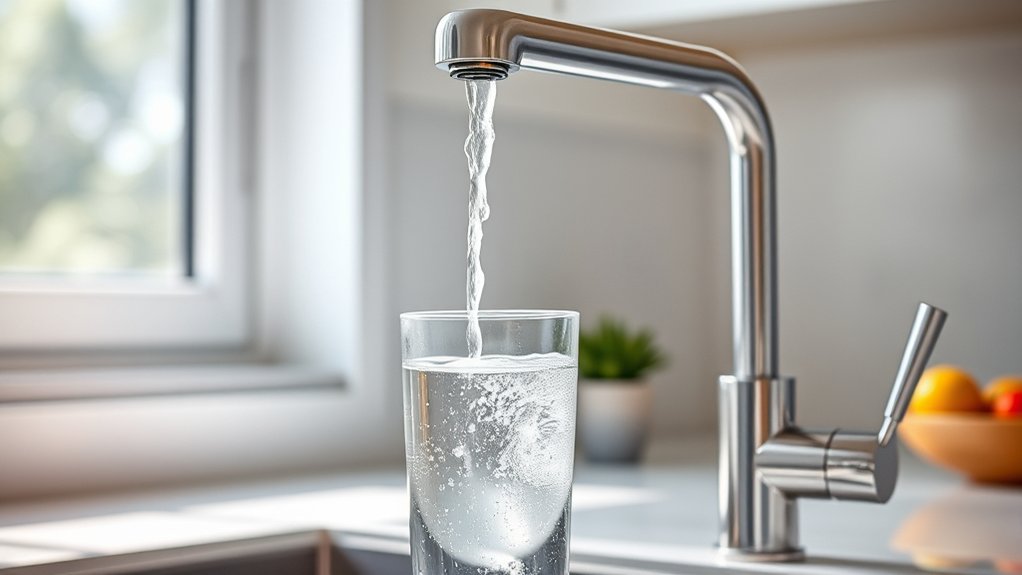
Although concerns about contaminants sometimes arise, tap water in most developed countries meets strict safety standards set by regulatory agencies. You can rely on these health guidelines, which guarantee that water quality stays within safe limits for consumption.
Drinking tap water regularly supports your body’s hydration needs effectively, making it a convenient and cost-efficient choice. Following hydration tips, like drinking adequate amounts throughout the day, helps maintain ideal fluid balance and overall health.
You don’t need to worry about safety if your local water supply complies with these regulations. However, staying informed about your area’s water quality reports can provide additional reassurance. Ultimately, tap water offers a safe, healthy option for hydration that aligns well with established public health recommendations.
What’s Really in Your Tap Water
You might be surprised by what’s in your tap water, from trace contaminants like chlorine and lead to beneficial minerals such as calcium and magnesium.
Water treatment processes work to remove harmful substances while preserving essential nutrients, ensuring safety and health.
Understanding these elements helps you make informed choices about your drinking water.
Common Tap Water Contaminants
Because tap water comes from various sources and passes through complex treatment processes, it can contain a range of contaminants that impact its quality. You might encounter lead contamination, often stemming from aging pipes, which poses serious health risks, especially to children.
Chemical additives, like chlorine and fluoride, are commonly introduced to disinfect water and prevent dental decay, but they can sometimes leave residual byproducts. Additionally, trace amounts of pesticides, pharmaceuticals, and industrial pollutants may persist despite treatment.
Monitoring and regulation efforts, such as those by the EPA, aim to keep these contaminants below harmful levels. Still, it’s wise to stay informed about your local water quality reports and consider filtration options if you want to minimize exposure to these substances in your tap water.
Mineral Content Benefits
While tap water may sometimes get a bad reputation due to contaminants, it also carries essential minerals that contribute to your health. Minerals like calcium, magnesium, and potassium naturally dissolve into tap water, providing you with trace nutrients important for bone strength, muscle function, and cardiovascular health.
These minerals enhance mineral absorption in your body compared to purified water, which often lacks them. Additionally, the presence of minerals improves hydration efficiency by helping your cells maintain proper fluid balance.
Drinking mineral-rich tap water can consequently support your body’s nutrient intake while keeping you well-hydrated. Understanding what’s really in your tap water helps you appreciate its role beyond basic hydration, emphasizing its potential as a valuable source of dietary minerals in everyday life.
Water Treatment Processes
Although tap water contains beneficial minerals, it also undergoes rigorous treatment processes to guarantee safety and quality before it reaches your home. Water utilities employ advanced filtration technologies, such as sand filters and activated carbon, to remove sediments, chlorine, and organic compounds.
Purification methods, including chlorination, ozonation, and ultraviolet (UV) treatment, effectively eliminate harmful pathogens like bacteria and viruses. These processes comply with strict regulatory standards set by agencies such as the EPA, ensuring contaminants remain below health risk thresholds.
You can trust that the water you drink is continuously monitored and treated to minimize chemical and microbial hazards. Understanding these treatment steps helps you appreciate that tap water isn’t just convenient; it’s subject to sophisticated science designed to protect your health.
Safety of Tap Water Across Different Regions
You need to understand that tap water safety varies widely depending on regional quality standards and local treatment methods. Different areas face unique contaminants, making it essential to know what’s common in your region.
This knowledge helps you assess whether your tap water meets safety guidelines.
Regional Water Quality Standards
How safe is the tap water where you live? Regional water quality standards play an essential role in ensuring your tap water meets safety expectations. Authorities conduct regular regional testing to monitor water sources, identifying any potential risks.
These tests compare results against strict compliance regulations designed to limit harmful substances. Depending on your area, local agencies may enforce varying standards based on environmental conditions and available technology.
By meeting these regulations, water providers demonstrate their commitment to public health and safety. You can usually access water quality reports online, allowing you to verify compliance and understand your water’s condition.
Trust in these regional standards helps you make informed decisions about consuming tap water, knowing it undergoes rigorous oversight to protect your health.
Common Contaminants By Area
Regional water quality standards help guarantee tap water safety, but the specific contaminants present can vary widely depending on your location. You’ll notice regional disparities influenced by industrial activities, agricultural runoff, and natural geology.
For example, in some areas, heavy metals like lead or arsenic may be more common due to source variations such as aging infrastructure or naturally occurring deposits. In agricultural regions, pesticides and nitrates often appear at higher concentrations.
Urban centers might face contaminants linked to chemical pollutants or disinfection byproducts. Understanding these regional disparities helps you assess tap water safety more accurately.
While standards aim to minimize risks, knowing your area’s unique water profile allows you to make informed decisions about your water consumption and any additional filtration you might need.
Local Water Treatment Methods
Although water quality standards set a baseline for safety, local water treatment methods play an essential role in guaranteeing the tap water you drink meets those standards. Different regions employ varied filtration techniques, such as activated carbon filters and membrane filtration, to remove contaminants effectively.
These methods adapt to the specific pollutants common in each area, enhancing water safety. Additionally, community initiatives often support local water quality by promoting regular testing and infrastructure upgrades. These efforts guarantee that treatment processes remain effective and responsive to emerging threats.
Common Things You Might Find in Tap Water
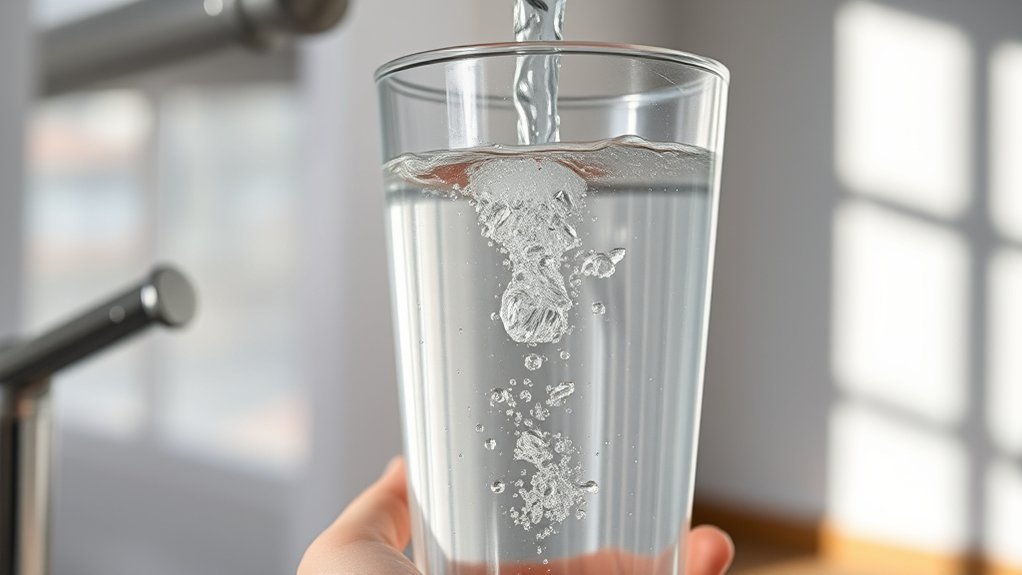
When you turn on your tap, the water may contain more than just H2O. Tap water minerals like calcium, magnesium, and potassium naturally dissolve from soil and rocks, contributing to the water’s taste and nutritional content. These minerals are generally beneficial and play a role in maintaining water quality.
However, depending on your local water source and treatment, you might also find trace amounts of chlorine, added to disinfect, or fluoride, used to prevent tooth decay. Additionally, tiny particles like sediment or organic matter can occasionally be present, especially after heavy rains or pipe maintenance.
Water quality is strictly regulated to keep contaminants within safe limits, so while tap water contains various substances, most fall well within health guidelines, ensuring it’s safe for daily use.
Health Benefits of Drinking Tap Water
Why should you consider drinking tap water regularly? It provides essential hydration, which supports your body’s crucial functions like digestion, circulation, and temperature regulation. Meeting your daily intake needs with tap water is both convenient and cost-effective.
Public water systems guarantee it meets strict safety standards, making it a reliable source for hydration importance.
| Benefit | Explanation |
|---|---|
| Supports Metabolism | Water aids enzymatic reactions |
| Maintains Physical Health | Prevents dehydration-related issues |
| Economical & Accessible | Reduces expenses compared to alternatives |
Taste and Mineral Differences Compared to Bottled Water
Since tap water and bottled water come from different sources and undergo distinct treatment processes, you might notice differences in taste and mineral content. Tap water often contains minerals like calcium, magnesium, and fluoride, which contribute to its unique taste and support mineral balance in your diet.
Bottled water varies widely; some come from springs rich in natural minerals, while others are purified, stripping most minerals and resulting in a blander taste. Your taste preferences can influence which option you find more appealing, but these differences don’t necessarily indicate one is healthier than the other.
Understanding the mineral balance in your water helps you make an informed choice about what you drink daily, ensuring you enjoy both taste and nutritional benefits.
Reasons to Use a Water Filter and Other Alternatives
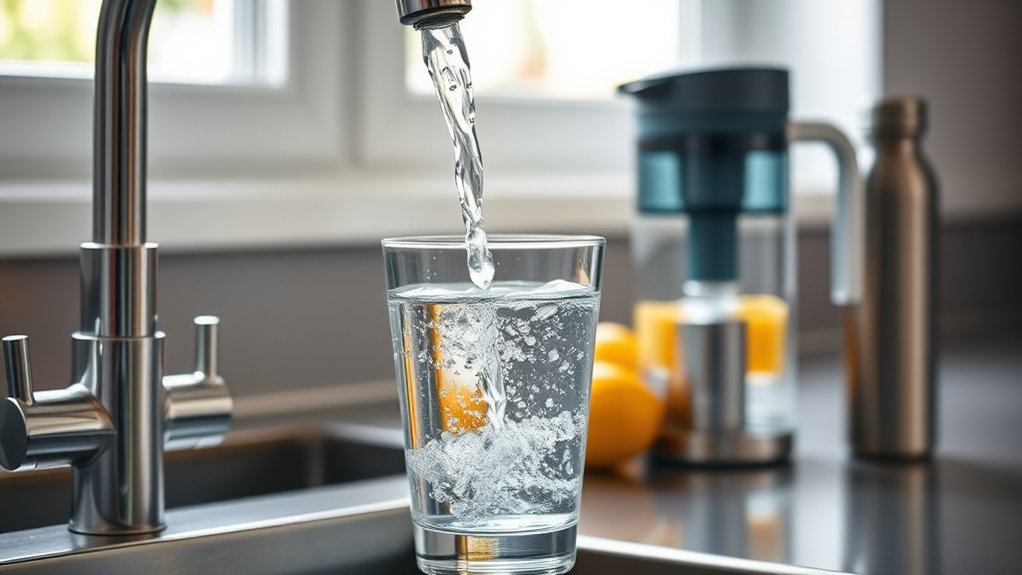
While tap water generally provides essential minerals and a reliable taste profile, concerns about contaminants and varying water quality might make you consider additional measures. Using water filters offers clear filtration benefits by reducing health concerns linked to pollutants.
Here are four key reasons to explore filters or alternatives:
- Filter Types: Choose from activated carbon, reverse osmosis, or UV systems based on your needs and taste preferences.
- Environmental Impact: Filtering tap water reduces plastic waste compared to bottled water.
- Cost Comparison: Filters often save money over time versus buying bottled water.
- Maintenance Tips & Accessibility Issues: Regular filter changes guarantee effectiveness, but some may require more upkeep or be less accessible depending on location.
Frequently Asked Questions
How Does Tap Water Impact Skin Health?
Tap water, especially hard water, can disrupt your skin’s pH balance and reduce hydration. Chlorine exposure may cause dryness and irritation, so using filters or moisturizers helps protect your skin’s health effectively.
Can Tap Water Affect Cooking Flavors?
Like a knight choosing his sword, you must consider tap water in cooking techniques. It can alter flavor profiles due to minerals or chlorine. Using filtered water often guarantees your dishes taste as intended, with clarity and balance.
What Are the Environmental Benefits of Drinking Tap Water?
You support faucet sustainability by drinking tap water, which reduces plastic waste and lowers pollution from bottled water production.
Choosing tap water cuts environmental impact, conserves resources, and helps maintain cleaner ecosystems effectively and responsibly.
How Should Tap Water Be Stored Safely at Home?
Think of water storage like a sealed treasure chest. Keeping tap water in clean, BPA-free containers with tight lids prevents contamination.
Store it in a cool, dark place, changing it every six months to guarantee safety and freshness.
Does Tap Water Quality Change With Seasons?
Yes, you’ll notice seasonal variations in tap water quality due to changes in source water and environmental factors. Water treatment adjusts accordingly, but it’s smart to stay informed and test your water periodically for safety.