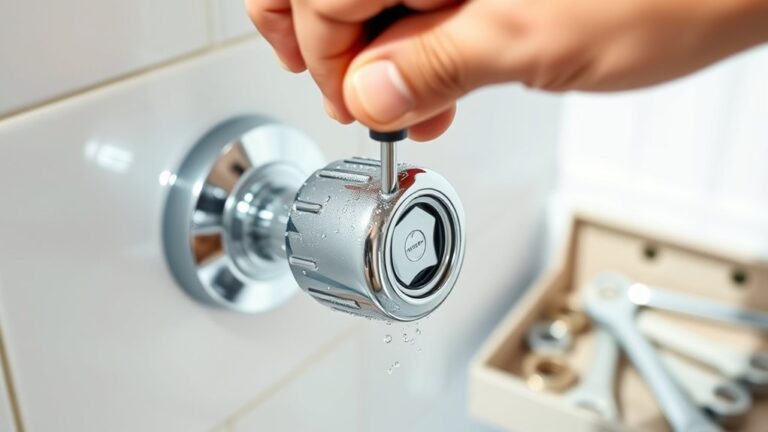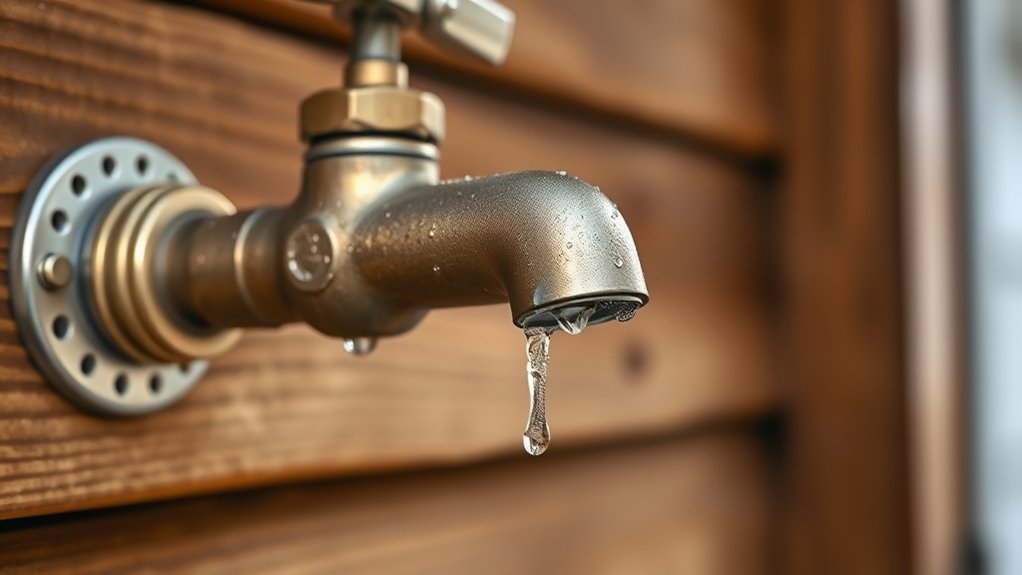
How Does a Frost Free Faucet Work
A frost-free faucet works by placing its valve mechanism several inches inside your heated wall, stopping water flow well before it reaches the outdoor spout. This frost-free design keeps water inside where it’s warm, preventing freezing and potential pipe bursts.
Its long stem and downward angle guarantee water drains completely from exposed parts. You’ll maintain flow without extra insulation or draining.
Understanding installation and maintenance will help you maximize its performance and avoid common problems.
What Is a Frost-Free Faucet and Why It Matters
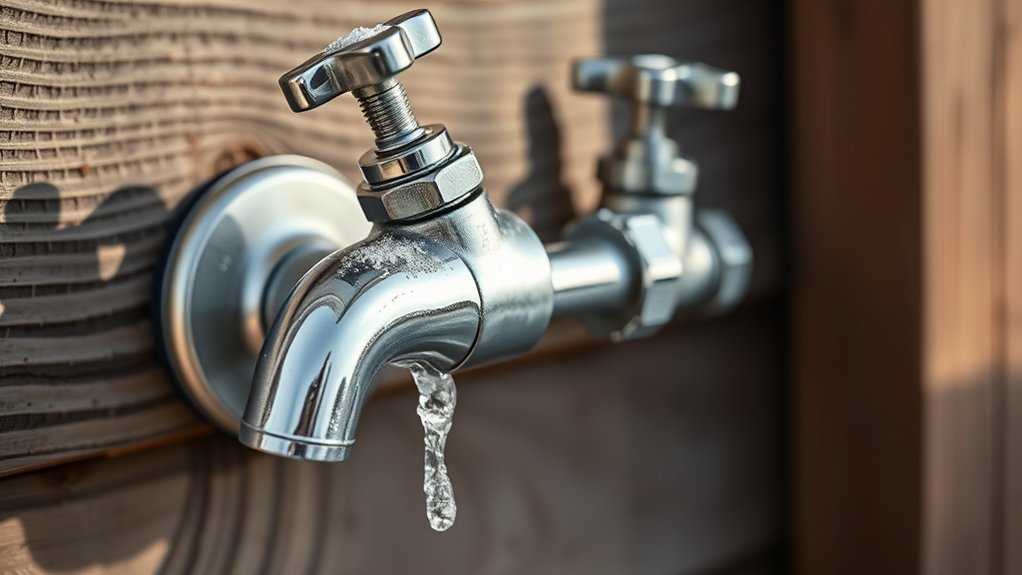
A frost-free faucet is a specialized outdoor water valve designed to prevent freezing in cold weather by positioning the valve mechanism several inches inside your heated wall. When you install one, you gain frost-free benefits like reduced risk of pipe bursts and water damage during winter.
This faucet type is essential for winter preparations, as it helps maintain water flow without the need for additional insulation or constant draining. You’ll also reduce maintenance costs and avoid emergency repairs caused by frozen pipes.
How Frost-Free Faucets Prevent Pipe Freezing
Understanding how frost-free faucets prevent pipe freezing starts with their unique design. Frost free technology extends the valve mechanism deep into the heated interior of your home, well beyond the exterior wall. When you turn off the faucet, the water stops inside the house, not at the outdoor spout.
This placement guarantees water never remains in the vulnerable section of the pipe exposed to freezing winter temperatures. Additionally, the long stem and angled design allow water to drain completely from the outdoor portion, eliminating trapped water that could freeze.
Installing a Frost-Free Faucet Correctly
When installing a frost-free faucet, you’ll need to guarantee the valve extends well inside the heated wall to prevent freezing. Start by measuring the wall thickness accurately, then select a faucet length that matches.
Use proper sealing techniques to avoid leaks and make certain the faucet slopes slightly downward toward the exterior for drainage. Secure the faucet firmly to the mounting surface, and connect the water supply following standard plumbing tips.
| Step | Action | Key Point |
|---|---|---|
| 1 | Measure wall thickness | Guarantees correct faucet length |
| 2 | Select faucet | Matches wall depth |
| 3 | Seal connections | Prevents leaks |
| 4 | Mount faucet securely | Prevents movement |
| 5 | Connect water supply | Follow plumbing tips for safety |
Following these guidelines makes certain of effective faucet installation.
Key Components of Frost-Free Faucets
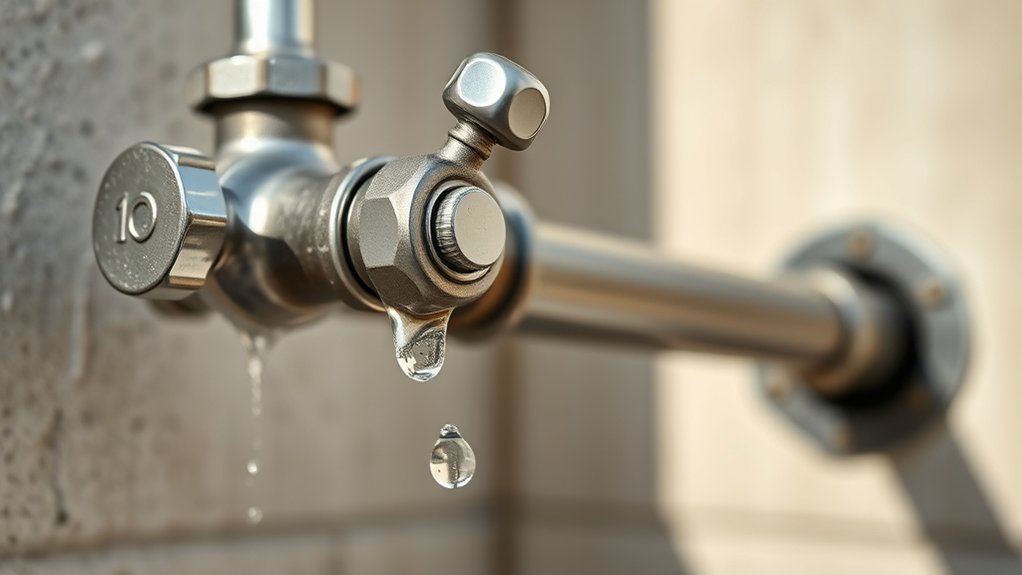
Three essential components define the functionality of frost-free faucets: the long stem, the valve seat, and the insulated body. The long stem extends the valve mechanism inside the heated wall, preventing freezing. The valve seat provides a tight seal when closed, stopping water flow.
The insulated body protects internal parts from cold exposure, ensuring longevity.
Key design features to note include:
- Extended stem length tailored to wall thickness
- Durable, corrosion-resistant valve materials
- Insulated casing to retain heat
- Backflow prevention integration
- Easy-access packing nut for leak adjustments
For peak performance, follow maintenance tips like regularly checking the packing nut and flushing the valve to clear debris. Understanding these components helps you maintain a frost-free faucet efficiently.
Common Frost-Free Faucet Problems and Fixes
Although frost-free faucets are designed to prevent freezing, they can still develop issues like leaks, reduced water flow, or valve sticking. If you notice leaking issues, start by checking the packing nut and washers, as worn seals often cause drips. Tighten or replace these components to stop leaks.
Reduced water flow usually results from debris buildup inside the faucet or supply line; flush the system or clean the aerator to restore flow. Valve sticking occurs when mineral deposits or corrosion immobilize the valve stem.
To fix this, disassemble the faucet and apply a suitable lubricant or replace the valve entirely if damaged. Valve replacement requires shutting off the water supply, removing the old valve, and installing a compatible new unit to guarantee proper operation and prevent future malfunctions.
When to Upgrade Your Outdoor Faucet
Fixing minor issues like leaks or valve sticking can extend the life of your frost-free faucet, but knowing when to replace it can save you time and prevent costly water damage. Regular faucet maintenance is essential, especially with seasonal usage that exposes the faucet to freezing temperatures.
Upgrade your outdoor faucet if you notice:
- Persistent leaks despite repairs
- Corrosion or damaged pipe threads
- Valve components failing to open or close fully
- Reduced water flow or pressure
- Frequent freeze-related damages during winter
Replacing the faucet guarantees reliable operation and prevents pipe bursts. Evaluate your faucet annually after winter and before the active season to assess wear. Proactive replacement is more cost-effective than emergency repairs caused by faucet failure or freeze damage.
Frequently Asked Questions
Can Frost-Free Faucets Be Used in Commercial Settings?
Yes, you can use frost free faucets in commercial settings. To maximize frost free benefits, follow installation tips carefully: position the valve inside heated areas and guarantee proper insulation to prevent freezing and maintain reliable water flow year-round.
What Materials Are Frost-Free Faucets Typically Made From?
You wouldn’t expect frost free mechanisms to rely on flimsy materials, right? They’re typically made from brass or stainless steel, ensuring material durability and reliable performance in freezing conditions without cracking or corrosion.
How Long Do Frost-Free Faucets Usually Last?
You can expect frost free faucets to last 10-15 years with proper frost free durability. To extend lifespan, regularly drain the faucet, check for leaks, and lubricate moving parts as maintenance tips for peak performance.
Are Frost-Free Faucets Compatible With All Hose Types?
When it comes to hose compatibility, frost-free faucets generally work with most standard hoses, but you’ll want to check thread sizes carefully. Proper faucet maintenance guarantees a tight seal and prevents leaks, keeping everything running smoothly.
Can Frost-Free Faucets Be Painted or Customized?
You can paint frost free faucets to enhance frost free aesthetics, but use weather-resistant, non-corrosive paint.
For faucet customization, prep the surface by cleaning and sanding to guarantee proper adhesion and long-lasting finish.