When to Drip Faucets
You should start dripping your faucets once temperatures consistently near freezing, especially if your pipes are on exterior walls or in unheated areas.
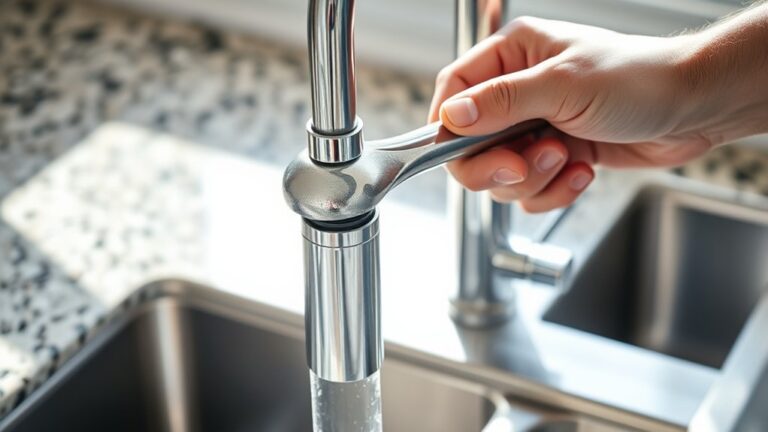
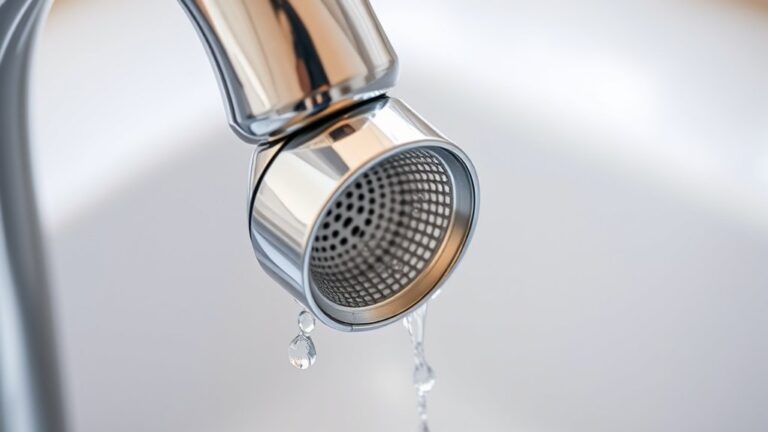
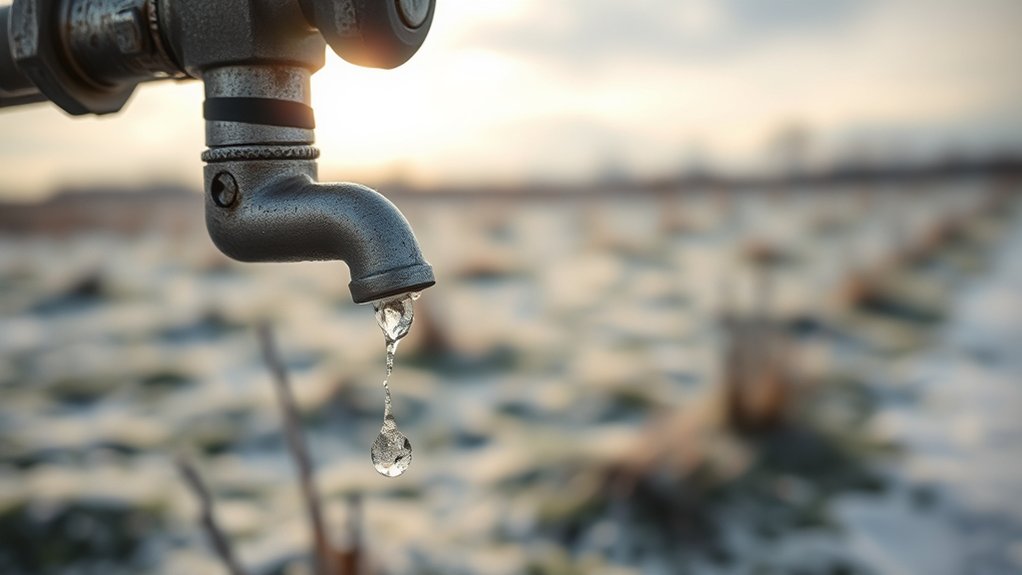
Drip faucets to maintain a slow drip—about one drop per second—to keep water moving and reduce freeze risk without wasting much water.
Keep an eye on weather forecasts, focusing on lows and cold snaps, to know when to adjust your dripping schedule.
Understanding these steps helps you protect your plumbing effectively and efficiently.
When Should You Start Dripping Faucets?
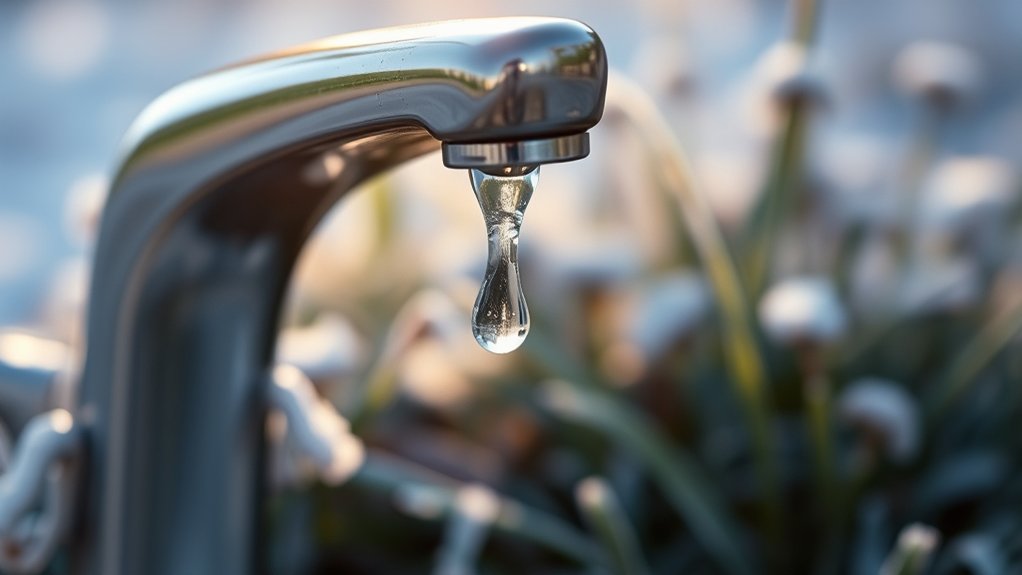
Although it depends on your local climate and plumbing system, you should start dripping faucets when temperatures consistently drop near freezing. At this threshold, water inside pipes can begin to freeze, leading you to implement effective dripping techniques.
Begin by opening faucets slightly, just enough to allow a slow, steady drip. This helps maintain water flow and reduces pressure buildup. Focus on faucets connected to vulnerable pipes, especially those on exterior walls or in unheated areas.
You don’t need a heavy flow; a drip rate of one drop per second is usually sufficient. Monitor weather forecasts closely during cold weather spells to adjust your dripping schedule accordingly. By starting early and following these precise techniques, you minimize the risk of costly pipe damage.
Why Drip Faucets to Prevent Frozen Pipes?
Because water expands as it freezes, you risk pipe bursts when temperatures drop below freezing. Dripping faucets helps prevent frozen pipes by keeping water moving within your plumbing system.
Even a slow, steady drip maintains slight pressure, reducing the chance of ice forming and expanding inside pipes. This controlled flow interrupts freezing conditions without causing excessive water waste.
Using this method balances the necessity of preventing frozen pipes with the goal of water conservation. You avoid costly repairs and water damage while minimizing unnecessary water usage.
Which Faucets to Drip and How Much Water to Use
You should focus on dripping faucets connected to vulnerable pipes, especially those on exterior walls or unheated areas. Maintain a steady flow rate of about one drip per second to keep water moving without wasting excess.
This controlled drip helps prevent freezing by reducing pressure buildup inside the pipes.
Identifying Faucets To Drip
Three key factors determine which faucets to drip during freezing conditions: location, exposure, and water pressure. You should focus on faucet types most vulnerable to freezing, such as exterior hose bibs, basement sinks, and those on unheated walls.
Faucets located on exterior walls or near windows require priority, as they’re more exposed to cold air infiltration. Additionally, faucets with low water pressure may not maintain flow effectively, increasing freeze risk.
When selecting drip techniques, use a slow, steady drip to maintain water movement without wasting excessive water. Avoid full streams; a minimal flow reduces freezing potential while conserving water.
Optimal Water Flow Rate
Anyone managing household plumbing during freezing weather needs to balance water flow carefully when dripping faucets. To optimize drip efficiency, select faucets most vulnerable to freezing, typically those exposed to cold air or on exterior walls.
Open the faucet just enough to maintain a slow, steady drip; roughly 5 to 10 drops per minute is sufficient. This minimal flow prevents pressure buildup without excessive water use, supporting water conservation goals.
Avoid fully opening the faucet, as it wastes water and offers no added freeze protection. Remember, the goal is to keep water moving slowly through vulnerable pipes, reducing freeze risk while minimizing water loss.
Preventing Pipe Freezing
Selecting which faucets to drip and determining the appropriate water volume hinges on identifying the most vulnerable pipes. Focus on faucets connected to pipes located in unheated areas, like basements, crawl spaces, or exterior walls.
These pipes experience the most severe temperature fluctuations and are at highest risk of freezing. Use slow, steady drips, about one drip per second, to maintain water movement without wasting resources.
Before dripping, improve pipe insulation around exposed sections to reduce heat loss and minimize dripping duration. Keep in mind, dripping is a temporary measure; thorough insulation and sealing drafts provide better protection.
Monitor local temperature trends closely, adjusting your drip strategy as needed during rapid temperature changes to prevent freezing effectively.
How to Use Weather Forecasts to Know When to Drip
Although cold weather can be unpredictable, you can use local weather forecasts to determine when to drip your faucets effectively. Monitoring weather patterns helps you anticipate freezing conditions. Pay attention to temperature thresholds, typically around 20°F (-6°C), when dripping becomes necessary to prevent pipe freezing.
Here’s how to use forecasts practically:
- Check daily low temperatures to identify potential freeze periods.
- Observe weather patterns indicating prolonged cold snaps or sudden drops.
- Use hourly forecasts to time when to start dripping faucets.
- Monitor wind chill factors, as strong winds can lower effective temperatures, increasing freeze risk.
How to Stop Dripping Faucets After the Cold Snap
After the cold snap, check your faucets for signs of frozen pipes, such as reduced water flow or unusual noises.
Once you identify any drips, shut off the water supply and inspect the faucet components for damage. Repair or replace washers and valves promptly to stop leaks and prevent further issues.
Identifying Frozen Pipe Signs
Even if your faucets continue to drip after the cold snap, it’s essential to determine whether your pipes have frozen. Frozen pipes cause ice buildup that restricts water flow and can lead to bursts. You need to spot signs quickly to prevent costly damage.
Look for these indicators:
- No water flow or slow drip A frozen pipe often stops or slows water completely.
- Frost or ice on pipes Visible ice buildup on exposed pipes signals freezing.
- Unusually cold pipe sections Touch pipes to detect chilling spots where ice forms inside.
- Swollen or bulging pipes Ice expands, causing pipes to swell and potentially crack.
Identifying these signs allows you to act before a pipe rupture, saving you from severe water damage and expensive repairs.
Repairing Faucet Drips
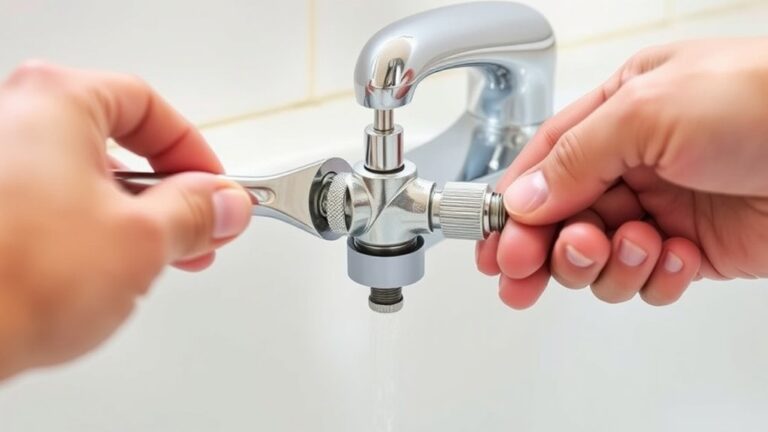
Address dripping faucets promptly to conserve water and prevent further damage. Start by performing leak detection to identify the exact source of the drip, usually a worn-out washer, O-ring, or cartridge.
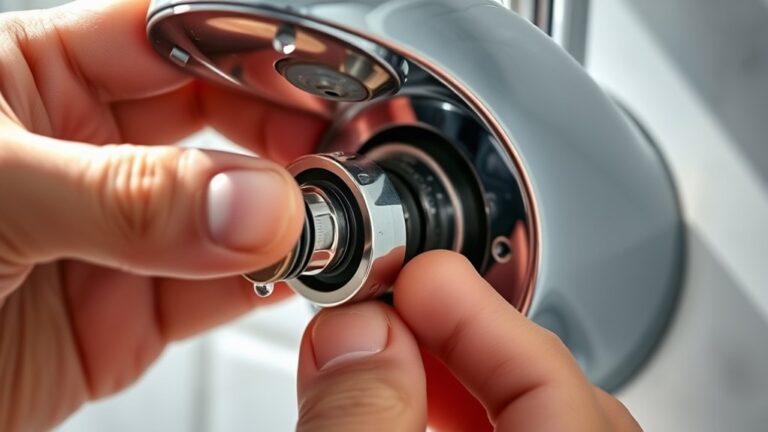
Shut off the water supply before disassembling the faucet to avoid flooding. Use appropriate tools to remove the handle and inspect internal components for wear or mineral buildup.
Replace faulty parts with manufacturer-approved replacements to guarantee proper faucet maintenance. Clean the valve seat and lubricate moving parts to restore smooth operation.
After reassembly, turn the water back on and test for leaks. If dripping persists, reassess for hidden damage or call a professional plumber.
Regular faucet maintenance after cold snaps minimizes the risk of leaks and extends the lifespan of your plumbing fixtures.
Common Faucet Dripping Mistakes That Waste Water
Although a dripping faucet might seem harmless, many common mistakes actually cause significant water waste. You need to control the dripping frequency carefully to optimize water conservation. Otherwise, small leaks can add up to gallons lost daily.
Avoid these common errors:
- Ignoring slow drips, assuming they’re negligible. They increase water waste over time.
- Dripping faucets continuously without evaluating if it’s necessary. Sometimes, permanent repairs are better.
- Using excessive drip rates, which can lead to unnecessary water loss.
- Neglecting timely maintenance, allowing worn parts to worsen leaks and increase dripping frequency.
Frequently Asked Questions
Can Dripping Faucets Increase My Water Bill Significantly?
Yes, dripping faucets can increase your water bill considerably. Conducting a cost analysis reveals wasted water adds up quickly.
Prioritize water conservation by fixing leaks promptly to avoid unnecessary expenses and reduce environmental impact effectively.
Is Dripping Faucets Effective in All Types of Plumbing Systems?
Of course, dripping faucets fix every plumbing system perfectly except they don’t. Your drip rate and pipe insulation matter; too fast or poorly insulated pipes reduce effectiveness. You’ll need to adjust these factors for best results.
Can I Use Hot Water Instead of Cold Water When Dripping Faucets?
You can use hot water when dripping faucets, but cold water is preferred. Hot water benefits include faster thawing of pipes.
However, faucet temperature control is essential to avoid scalding and energy waste during the dripping process.
Are There Alternative Methods to Prevent Pipes From Freezing?
You can prevent frozen pipes by applying pipe insulation and heat tape, maintaining warm air circulation, and adjusting thermostat settings higher. Following winterizing tips and performing regular plumbing maintenance also help guarantee your system stays protected during cold weather.
How Often Should I Check My Dripping Faucets During Winter?
You should check your drip frequency daily during severe cold snaps and at least every few days throughout winter preparation. Regular monitoring guarantees consistent flow, preventing pipe freezing and maintaining ideal water movement under fluctuating temperatures.