How Much Are Kitchen Cabinets
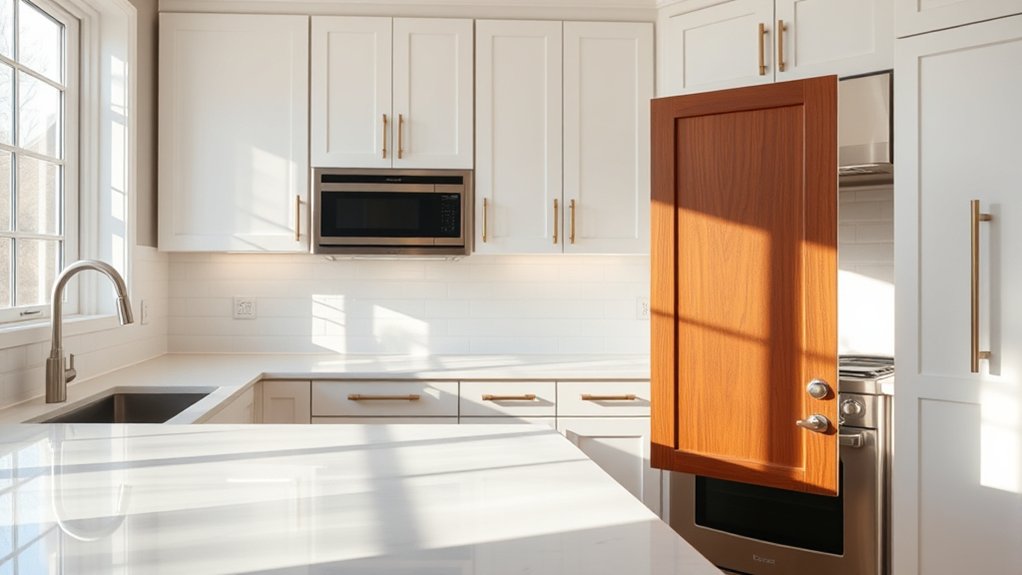
Kitchen cabinet prices vary widely based on material, design, and customization. Understanding how much kitchen cabinets cost is essential for budgeting your renovation or new build.
Stock cabinets typically cost $100–$300 per linear foot, offering budget-friendly simplicity.
Semi-custom options range from $100 to $650, balancing flexibility and price, while custom cabinets start around $500 and can exceed $1,200 for premium materials and craftsmanship.
Hardware and installation also affect costs.
Choosing the right materials and design complexity can optimize your budget and aesthetic. Exploring these factors can help you make an informed decision tailored to your kitchen.
Key Factors That Drive Kitchen Cabinet Prices
Although kitchen cabinet prices can vary widely, several key factors consistently influence the overall cost. When you approach budget planning, understanding these drivers helps you make informed choices without compromising style or functionality.
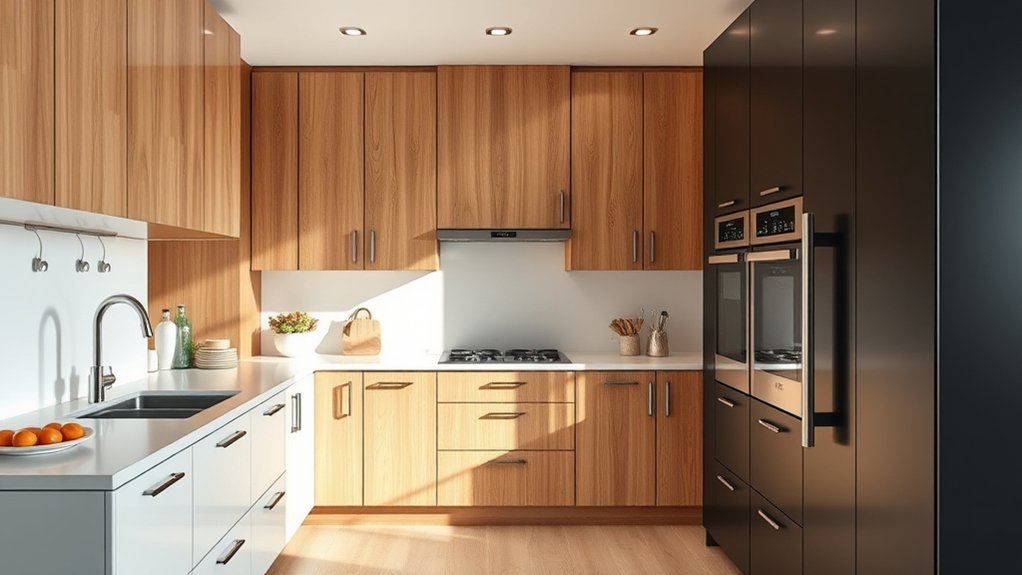
Material sourcing is essential. High-quality hardwoods or exotic veneers cost more than laminates or MDF, directly impacting price. Custom cabinetry demands skilled craftsmanship and unique materials, increasing costs compared to stock options.
Additionally, cabinet size, design complexity, and hardware selections further affect pricing. Efficient material sourcing not only guarantees durability but also enhances your kitchen’s aesthetic appeal.
How Much Do Stock Kitchen Cabinets Cost on Average
Stock kitchen cabinets typically cost between $100 and $300 per linear foot, making them an accessible choice for many homeowners balancing budget and style. When exploring stock cabinet brands, you’ll find budget friendly options that don’t compromise on quality or aesthetics.
These cabinets come pre-manufactured in standard sizes and finishes, which streamlines production and keeps costs lower than semi-custom or custom alternatives. Although the design flexibility is limited, stock cabinets offer a variety of styles and materials that suit most kitchens.
Brands like IKEA, KraftMaid, and Home Depot’s Hampton Bay provide durable, stylish selections that fit tight budgets. Choosing stock cabinets helps you achieve a polished, cohesive look without overspending, especially when you focus on finishes and hardware to complement your kitchen’s overall design.
Semi-Custom vs. Custom Cabinet Pricing Explained
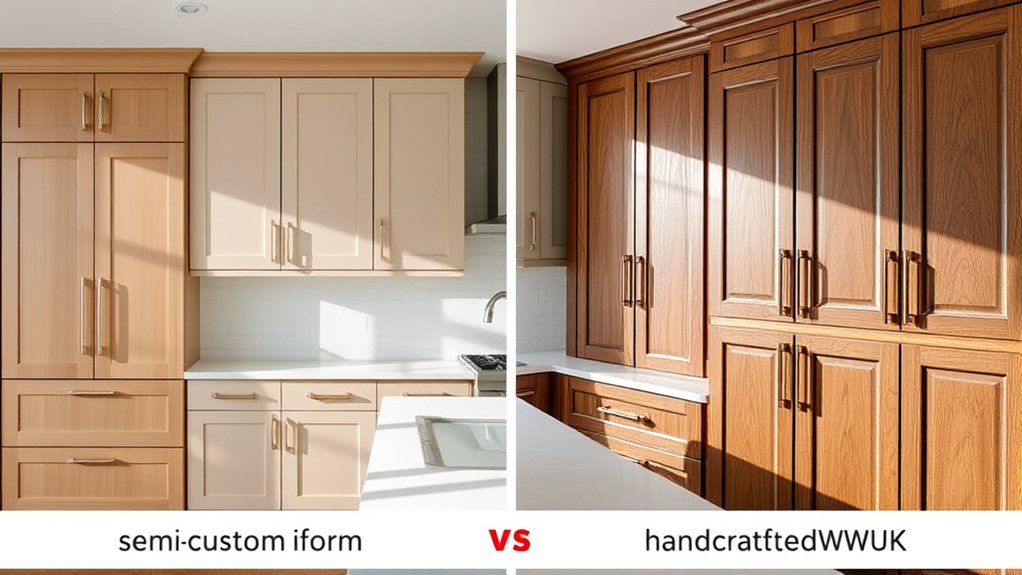
While stock cabinets offer a cost-effective and straightforward solution, you might find yourself wanting more customization to better fit your kitchen’s unique dimensions and style. Semi-custom cabinets provide a balance between affordability and personalization, allowing you to select from various finishes and sizes aligned with current cabinet design trends.
Custom cabinets, however, deliver complete design freedom, crafted to your exact specifications, but at a premium price.
| Feature | Semi-Custom | Custom |
|---|---|---|
| Price Range | $100–$650 per linear foot | $500–$1,200+ per linear foot |
| Design Flexibility | Moderate; preset options | Unlimited; fully tailored |
| Budget-Friendly Options | Yes, mid-tier selection | Limited; higher investment |
Choosing semi-custom cabinets lets you embrace style and budget-friendly options without sacrificing quality.
Which Kitchen Cabinet Materials Affect Costs Most
Three key materials greatly influence the cost of your kitchen cabinets: solid wood, plywood, and MDF. When you evaluate cabinet material comparisons, solid wood tops the price scale due to its natural beauty and long-lasting durability.
It offers a premium aesthetic but requires careful maintenance. Plywood strikes a balance, providing sturdy construction with excellent durability considerations at a moderate cost; it resists warping better than MDF.
MDF, the most budget-friendly option, offers smooth surfaces ideal for painted finishes but lacks the structural strength of plywood or solid wood. Your choice affects not only initial costs but also long-term value and appearance.
Understanding these materials helps you make an informed decision that aligns with your budget and style preferences.
How Kitchen Cabinet Door Styles Affect Cost
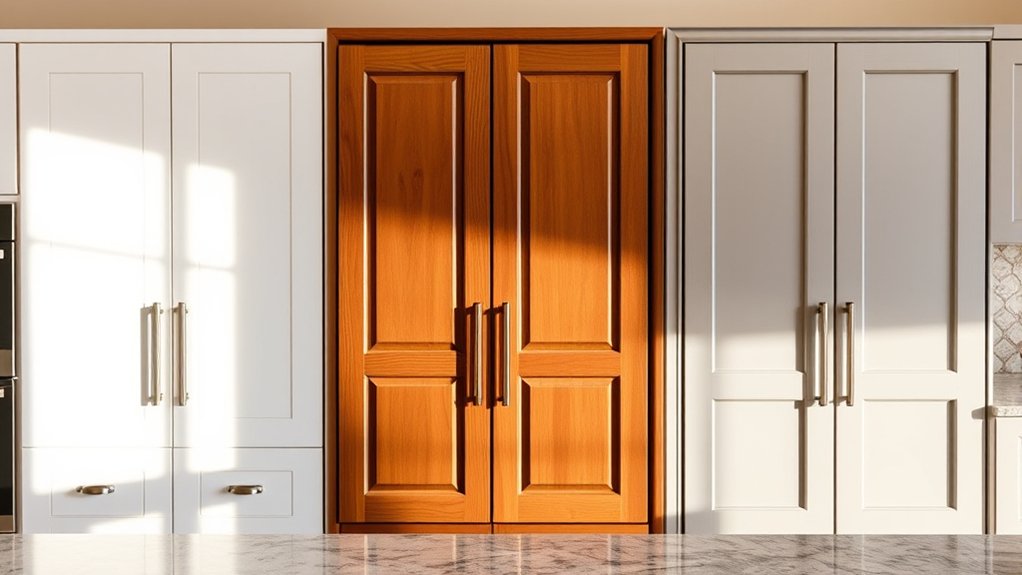
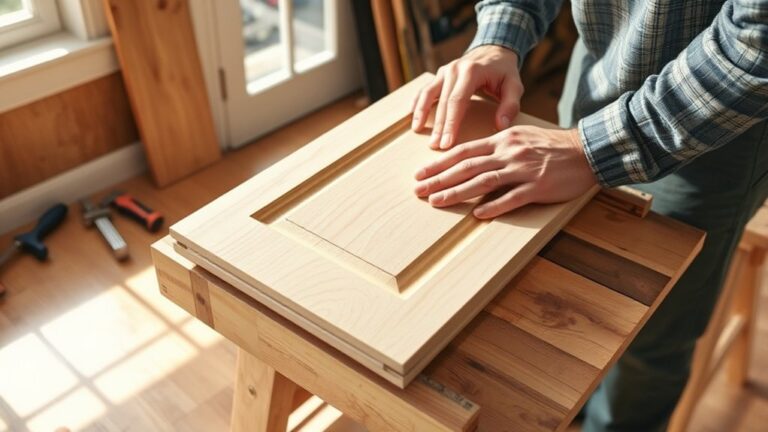
Because cabinet doors serve as the most visible aspect of your kitchen cabinetry, their style considerably impacts both the overall look and cost. When choosing door materials, solid wood commands a higher price than MDF or laminate, but it offers durability and a premium feel.
Design complexity plays a significant role; intricate frame styles or raised panels increase labor and material expenses compared to flat or slab designs. Finish options, from painted to stained or glazed, also influence costs. Custom finishes typically cost more.
Staying current with style trends, such as shaker or modern minimalist doors, may affect pricing as demand fluctuates. Additionally, hinge types matter: soft-close or concealed hinges add functionality but raise expenses.
How Kitchen Cabinet Size and Layout Affect Your Budget
When planning your kitchen, the size and layout of your cabinets directly influence both material costs and installation complexity. Larger cabinets or an expansive kitchen dimensions increase the amount of raw materials needed, driving up your budget.
Conversely, a compact layout with efficient use of space reduces waste and labor expenses. Prioritizing layout efficiency not only optimizes workflow but also minimizes unnecessary cabinetry, which can greatly lower costs.
A compact, efficient layout reduces waste and labor, streamlining workflow while cutting cabinetry costs.
Custom configurations tailored to irregular kitchen dimensions often require more time and specialized skills, adding to the installation fees. By carefully considering your kitchen’s size and adopting a streamlined cabinet layout, you balance aesthetics with cost-effectiveness.
This strategic approach guarantees you get functional, beautiful storage without overspending due to inefficient design or oversized cabinetry.
How Hardware and Accessories Affect Kitchen Cabinet Costs
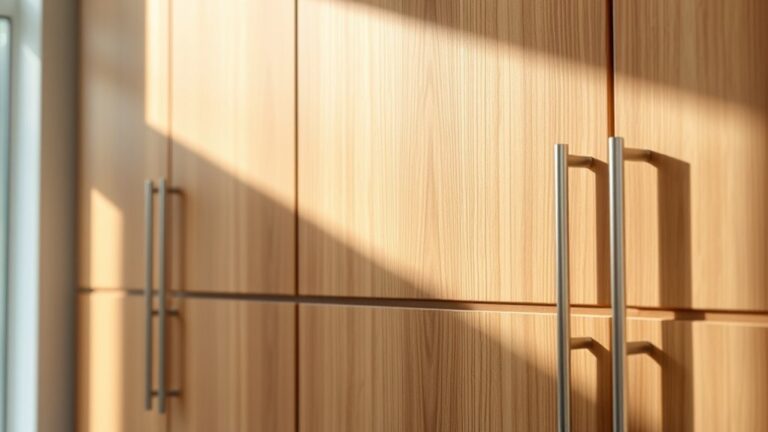
When selecting cabinet hardware, you’ll find that styles range from simple knobs to intricate handles, each influencing your overall cost. Accessories like soft-close hinges and pull-out shelves add both functionality and expense, depending on the materials used.
Understanding how these choices affect pricing helps you balance aesthetics with your budget effectively.
Types Of Cabinet Hardware
Selecting the right types of cabinet hardware plays an essential role in both the functionality and aesthetic appeal of your kitchen cabinets, directly influencing overall costs. Your choice depends heavily on the cabinet styles you prefer, traditional, modern, or contemporary, each pairing best with specific hardware finishes and designs.
For example, sleek brushed nickel knobs complement minimalist cabinets, while ornate bronze handles enhance classic wood styles. Hardware finishes not only affect visual harmony but also durability and price; premium materials like solid brass raise costs but offer longevity and elegance.
You’ll also need to take into account the quantity and complexity of hardware pieces, such as hinges, pulls, and knobs, as these accumulate cost. Thoughtful hardware selection guarantees your cabinets perform well and elevate your kitchen’s design without unnecessary expense.
Impact Of Accessories
Accessories greatly influence the overall cost of your kitchen cabinets by adding both functional value and visual appeal. Choosing on-trend hardware like matte black pulls or brushed gold knobs can elevate your kitchen’s style but may increase expenses due to premium finishes.
Beyond aesthetics, incorporating accessories such as soft-close hinges, pull-out shelves, or built-in organizers offers significant functionality benefits, enhancing usability and storage efficiency. These features, aligned with current accessory trends, often come at an added cost but deliver long-term convenience.
When selecting accessories, consider how each element complements your design goals while balancing budget constraints. Thoughtful accessory choices not only personalize your cabinets but also impact the total investment, so weigh style and utility carefully to optimize both cost and kitchen performance.
Cost Variations By Material
Although the choice of cabinet material largely dictates your kitchen’s base cost, the type and quality of hardware and accessories you pair with it can considerably alter the final price. Different wood types and finish options set the foundation, but hardware, from hinges to drawer pulls, adds both function and style that impact cost.
Consider these key factors:
- Material quality: Premium metals like brushed nickel or brass increase expenses compared to standard chrome or plastic.
- Finish options: Custom finishes, such as matte or antique patina, demand higher prices but elevate aesthetics.
- Accessory complexity: Soft-close hinges, pull-out organizers, and integrated lighting add convenience but also raise costs.
Labor and Installation Costs for Kitchen Cabinets
Because proper installation guarantees both the functionality and longevity of your kitchen cabinets, labor costs represent a significant portion of your overall budget. You’ll find labor rates vary widely depending on your location and the complexity of the job.
Skilled installers charge more but assure precise alignment, secure mounting, and flawless finishes, enhancing your kitchen’s aesthetic appeal. The installation timeline typically spans two to four days, influenced by cabinet quantity, kitchen layout, and any necessary adjustments to plumbing or electrical fixtures.
Efficient scheduling reduces downtime and prevents costly delays, so plan accordingly. Investing in professional installation not only safeguards your cabinets but also elevates your kitchen’s overall look and durability, making labor costs a wise and necessary expenditure.
Refacing vs. Replacing Cabinets: When to Choose
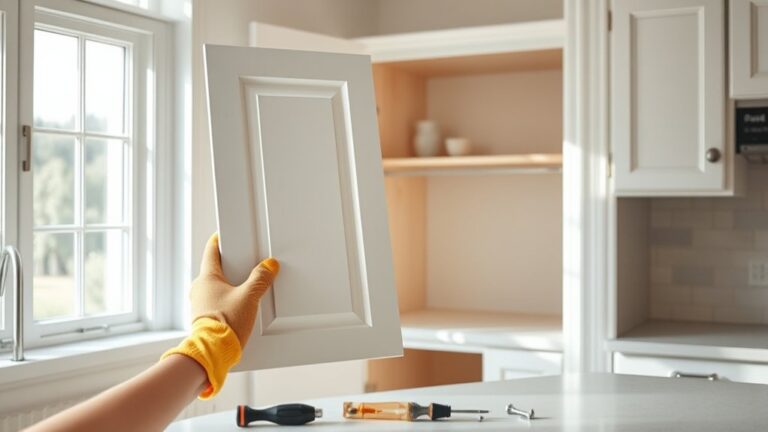
When deciding whether to reface or replace your kitchen cabinets, you should carefully evaluate factors such as your budget, the current cabinet condition, and your desired aesthetic outcome. Refacing benefits include quicker installation timelines and cost-effective updates by replacing doors and veneers, preserving existing cabinet boxes. However, replacement drawbacks involve higher costs and longer labor but offer greater freedom in design considerations and material choices, enhancing aesthetic impact and durability factors.
Consider these key points to guide your choice:
- Condition and Durability Factors: If cabinet boxes are sturdy, refacing is ideal; damaged structures require replacement.
- Cost Comparisons: Refacing typically costs 50-70% less than full replacement.
- Design Considerations: Replacement allows complete customization versus limited refacing options.
This analysis helps align your project with both budget and style goals.
Tips to Save Money on Kitchen Cabinets Without Sacrificing Quality
If you want to keep your kitchen cabinets looking high-end without overspending, strategic choices in materials, finishes, and installation can make all the difference. Start by exploring budget friendly options like plywood or MDF with veneer finishes. They replicate the look of solid wood without the hefty price tag.
Opt for quality materials in visible areas and pair them with economical alternatives in less noticeable spots to balance durability and cost. Choose classic, timeless finishes that don’t require frequent updates, reducing long-term expenses.
Consider semi-custom cabinets that offer customization without the premium of fully custom designs. Finally, handle partial installation tasks yourself, such as hardware attachment, to save on labor costs. By blending thoughtful material selection and smart labor choices, you maintain quality and aesthetics without breaking the bank.
Frequently Asked Questions
How Long Do Kitchen Cabinets Typically Last?
Like a well-crafted watch, your kitchen cabinets typically last 20-50 years. The cabinet lifespan depends heavily on material impact. Solid wood endures longer, while particle board fades faster. Proper care extends their aesthetic appeal and function.
What Are the Best Brands for Kitchen Cabinets?
You’ll find brands like KraftMaid, Merillat, and Thomasville excel in cost comparisons and material types, offering durable hardwood or plywood options. Their aesthetic focus and expert craftsmanship guarantee your kitchen cabinets balance style, function, and value.
Can Kitchen Cabinets Be Eco-Friendly or Sustainable?
Can your cabinets tell a greener story? You can choose recycled materials, sustainable finishes, and responsible sourcing to boost energy efficiency while maintaining style.
These eco-friendly choices elevate your kitchen’s aesthetic and environmental impact seamlessly.
How Do I Maintain and Clean Kitchen Cabinets?
You should use gentle cabinet cleaning solutions and a soft cloth to prevent damage. Regularly dust and wipe spills immediately.
For maintenance tips, apply polish monthly and check hinges to keep your cabinets looking pristine and functional.
Are There Warranties Available for Kitchen Cabinets?
Think of warranty coverage like a safety net beneath a trapeze artist, essential for confidence. You’ll find warranties vary by cabinet materials, often covering defects for 5-25 years.
This ensures your investment stays flawless and stylish.