Can You Drink Faucet Water
You can usually drink faucet water safely if your local water meets regulations and is properly maintained. Faucet water quality depends on the condition of the supply system and local environmental factors.
However, contaminants like lead from old pipes or chemicals may be present, so testing your water helps identify risks.
Avoid tap water during boil advisories, discoloration, or supply issues like main breaks. Using appropriate filtration can further improve quality and reduce potential contaminants.
Knowing when and how to check your water’s safety guarantees you protect your health and understand your options more clearly.
Regular testing and awareness are key to ensuring your faucet water remains safe to drink.
Is It Safe to Drink Faucet Water Where You Live?
How safe is the faucet water where you live? Your water safety largely depends on local regulations and the health standards enforced by municipal authorities. These regulations set permissible levels for contaminants and require regular testing to guarantee compliance.
If your area adheres strictly to national and local health standards, the water is usually safe to drink without additional treatment. However, the effectiveness of water treatment plants and the integrity of the distribution system also influence safety.
Aging pipes or lapses in regulatory enforcement can compromise water quality, even if standards exist. As a result, you should review local water quality reports and regulatory compliance records to assess safety objectively.
Staying informed helps you make evidence-based decisions about consuming your tap water confidently.
What Contaminants Affect Tap Water Quality?
Understanding whether your local faucet water is safe to drink requires recognizing the specific contaminants that might be present. Tap water quality can be compromised by elevated lead levels, often originating from aging pipes, posing significant health risks.
Chemical pollutants such as pesticides, industrial solvents, and pharmaceuticals may also infiltrate water supplies, depending on local environmental factors. Additionally, microbial contaminants, including bacteria, viruses, and protozoa, can enter through compromised water treatment or distribution systems.
To mitigate these risks, you might consider water filtration options designed to reduce or eliminate specific contaminants. Activated carbon filters, reverse osmosis systems, and ultraviolet sterilization each target different impurities.
Evaluating your water’s contaminant profile through testing will help you choose the most effective filtration method, ensuring your tap water meets safety standards and supports your health.
When Should You Avoid Drinking Tap Water?
Although tap water is generally safe in many areas, you should avoid drinking it when there’s a known contamination event, such as a boil water advisory issued by local authorities. Other scenarios include water main breaks or visible discoloration, which may introduce harmful microorganisms or chemicals.
Consuming untreated water in these cases can increase health risks like gastrointestinal illnesses. Using water filtration might not be sufficient during certain contamination events, so it’s best to follow official guidance. Here’s a quick reference:
| Situation | Risk Level | Recommended Action |
|---|---|---|
| Boil water advisory | High | Boil or use bottled water |
| Water discoloration | Moderate to High | Avoid drinking |
| Water main break | High | Avoid drinking |
| Flooding affecting supply | High | Avoid drinking |
| Routine supply | Low | Safe without filtration |
Always stay informed to protect your health.
How to Test and Improve Your Tap Water at Home
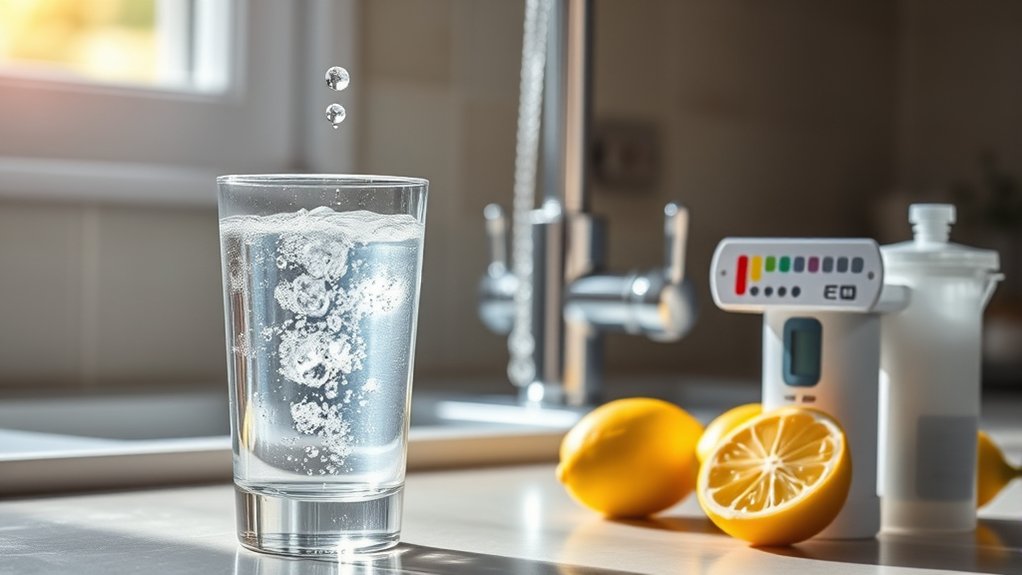
Why test your tap water when it’s often assumed safe? Contaminants like lead, chlorine, or bacteria can exist even in treated water. You can start by using home water testing kits, which measure parameters such as pH, hardness, and common pollutants. These kits provide objective data to assess water quality accurately.
If results indicate impurities or unpleasant taste, consider water filtration systems. Activated carbon filters effectively reduce chlorine and organic compounds, enhancing taste improvement. Reverse osmosis units remove a broader range of contaminants but require maintenance. Regular filter replacement is essential for peak performance.
Frequently Asked Questions
How Does Tap Water Taste Compared to Bottled Water?
Taste preferences typically tilt toward tap’s trace minerals, creating subtle sensations, while bottled comparisons often highlight purer, plainer profiles.
You’ll find that individual palate plays pivotal parts in perceiving these palpable, potable distinctions objectively.
Can Drinking Tap Water Help With Hydration Better Than Other Beverages?
Yes, drinking tap water efficiently supports hydration levels compared to sugary or caffeinated beverages. Its electrolyte content and purity make it a superior choice in beverage comparison for maintaining ideal fluid balance without added calories or stimulants.
Are There Specific Health Benefits Linked to Drinking Tap Water?
You’ll find specific health benefits in tap water’s mineral content, like calcium and magnesium.
However, you should consider potential health risks from contaminants, so always check your local water quality reports before drinking it regularly.
What Is the Environmental Impact of Drinking Tap Water Versus Bottled Water?
When it comes to sustainability practices, drinking tap water is a no-brainer. You’ll save resources and reduce plastic waste, supporting water conservation effectively.
Bottled water’s environmental cost is considerably higher, making tap water the greener choice overall.
How Is Tap Water Fluoridated and Why?
You get tap water fluoridated by adding fluoride sources like sodium fluoride or fluorosilicic acid, which helps prevent tooth decay.
However, you should be aware of health concerns related to excessive fluoride exposure and monitor levels carefully.