How Does a Hibachi Grill Work?
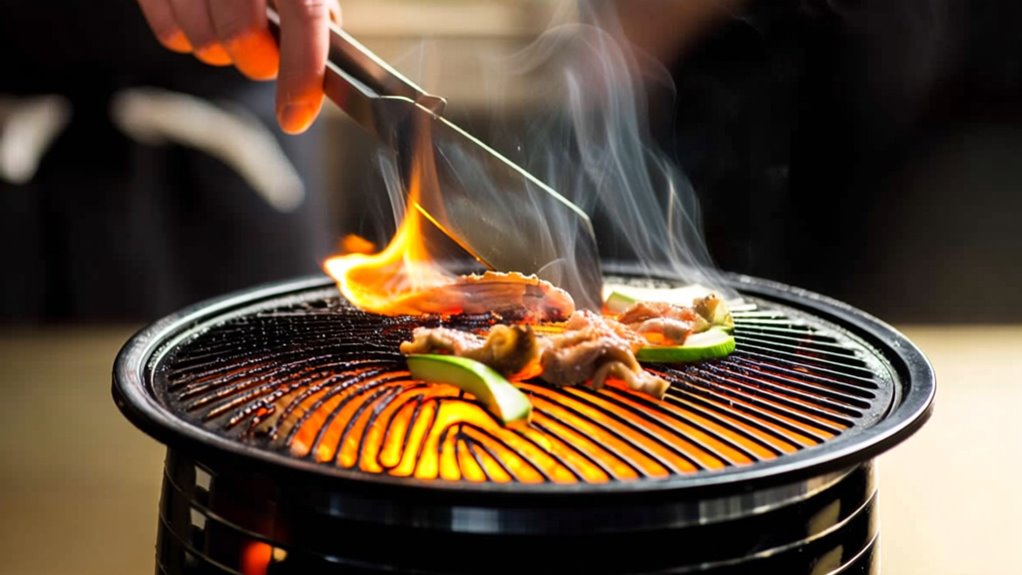
A hibachi grill works by placing charcoal beneath an open grate, where intense heat quickly sears your food, locking in its natural flavors.
You’ll often use special charcoal like Binchotan, which burns hotter and cleaner for a smoky, authentic taste. The open design lets fat drip away, giving meals a healthier edge.
Whether you’re grilling meats or veggies, the direct heat and simple setup give you a delicious, quick cook.
This traditional Japanese cooking method enhances flavor with minimal fuss.
Keep going to discover handy tips and safety tricks.
Key Takeaways
- Hibachi grills use direct charcoal or electric heat beneath an open grate to cook food quickly and evenly.
- The compact design holds burning charcoal that provides intense, consistent heat for searing and grilling.
- Heat rises through the grate, allowing fat to drip away while preserving natural flavors and creating a smoky taste.
- Food is often skewered to ensure even cooking and easy flipping over high heat.
- Proper ventilation and stable placement are essential for safety and efficient airflow during grilling.
The Basic Design of a Hibachi Grill
The core of a hibachi grill lies in its compact, efficient design, usually made from cast iron or stainless steel to guarantee even heat retention and distribution. When you use a hibachi, you’ll notice its open grate design, which lets high heat rise directly to your food, perfect for searing meats and vegetables quickly. The cast iron construction not only holds heat well but also assures it spreads evenly across the cooking surface.
The grill’s shape, often cylindrical or box-like, securely holds burning charcoal beneath the grate, keeping the heat concentrated just below your food. This close proximity to the heat source allows rapid cooking and enhances flavors through the Maillard reaction. When you’re cooking on a hibachi, you get intense heat with minimal smoke, making it ideal for flavorful, quick grilling sessions right at your table or outdoors.
Types of Hibachi Grills: Charcoal and Electric
Once you understand the basic design of hibachi grills, it’s helpful to know the two main types you might encounter: charcoal and electric. Both have unique features that affect your cooking experience.
- Charcoal hibachi grills use traditional burning charcoal, like binchotan, to reach high temperatures and infuse food with a smoky, authentic flavor. They’re compact and portable, perfect for outdoor grilling.
- Electric hibachi grills rely on electric heating elements, offering consistent, controllable heat without charcoal. This makes them ideal for indoor use, especially when you want adjustable temperature settings.
- While both grill meats and vegetables effectively, charcoal hibachi grills provide a more genuine Japanese grilling experience with their open flames and charred taste, whereas electric hibachi grills prioritize convenience and temperature precision.
Knowing these differences helps you pick the right hibachi grill to match your cooking style and setting.
The Role of Binchotan Charcoal in Hibachi Cooking
When you choose binchotan charcoal for hibachi cooking, you’re opting for a fuel that burns hotter and longer than regular charcoal. Made from ubame oak, binchotan charcoal has a high carbon content, enabling it to burn consistently for 3-5 hours with minimal smoke. This dense structure guarantees steady, intense heat, perfect for achieving that sought-after sear and enhancing the natural flavors of your grilled foods.
Unlike typical charcoal, binchotan burns odorlessly, so it won’t mask the taste of your ingredients during hibachi cooking. To get the most out of it, you can properly extinguish binchotan by cutting off oxygen supply, allowing multiple uses and making it an economical and eco-friendly option. Just remember to store your binchotan charcoal in a dry, well-ventilated space to keep moisture at bay and maintain its quality for your next hibachi cooking session.
How Heat Is Generated and Maintained
Choosing binchotan charcoal sets the stage for powerful, sustained heat in your hibachi grill. This dense charcoal burns steadily for 3-5 hours, reaching temperatures over 700°F, perfect for grilling. The design of hibachi grills guarantees efficient heat distribution by placing the cooking surface close to the charcoal, allowing your food to sear quickly and evenly.
To generate and maintain heat effectively, keep these points in mind:
- Ignite the binchotan charcoal fully before placing it in the grill to achieve ideal temperature.
- Manage airflow carefully by adjusting vents; proper oxygen flow sustains combustion and consistent heat.
- Add charcoal as needed during cooking to maintain steady heat distribution across the grill surface.
With these steps, you’ll enjoy consistent high heat that’s essential for perfect grilling on your hibachi.
Cooking Techniques Unique to Hibachi Grills
When you use a hibachi grill, direct charcoal heat quickly sears your food, locking in flavor through intense heat. You’ll often cook with skewers, which helps evenly grill meats and veggies while infusing them with smoky aromas. This method highlights natural flavors with minimal seasoning, letting the ingredients shine.
Direct Charcoal Heat
One key advantage of hibachi grills is their use of direct charcoal heat, which reaches high temperatures quickly to give your meats and vegetables a perfect sear. This technique is central to Japanese grilling, emphasizing speed and flavor. When you use charcoal, especially Binchotan, you get intense heat with minimal smoke, preserving the clean taste of your food.
Here’s why direct charcoal heat is so effective:
- The close proximity of the grill to the charcoal guarantees rapid cooking and enhances the Maillard reaction, creating a delicious crust.
- The open-grate design lets fat drip away, making your meal healthier.
- High-quality charcoal burns evenly and hotter, so your food cooks consistently without excess smoke.
This method highlights the precision and flavor that make hibachi grilling unique.
Skewer Grilling Method
Although hibachi grills are known for direct charcoal heat, the skewer grilling method, or yakitori, adds another layer of flavor and technique. Hibachi chefs thread small pieces of meat and vegetables onto bamboo or metal skewers, ensuring even heat distribution and quick cooking over the open flame. This method lets the food absorb the smoke from binchotan charcoal, imparting that signature charred taste.
Softer vegetables and thin cuts of meat work best since they cook fast and are easy to skewer without breaking. By rotating the skewers during grilling, hibachi chefs achieve a caramelized exterior while keeping the inside juicy and tender. This precise skewer grilling method is a staple in hibachi cooking that enhances both flavor and texture.
Flavor Infusion Process
Because hibachi grills use direct charcoal heat and an open grate, they let you infuse your food with a unique smoky flavor that’s hard to replicate. At a hibachi restaurant, the flavor infusion process is key to the delicious results. Here’s how it works:
- The high heat from binchotan charcoal sears the food quickly, triggering the Maillard reaction for rich, complex flavors.
- The open grate allows smoke to circulate freely, imparting that signature smoky taste without overpowering the natural ingredients.
- Simple marinades applied just before cooking enhance the flavor without masking it, letting the charcoal’s aroma shine through.
This combination creates a distinct flavor infusion that makes hibachi grilling truly special.
Foods Suited for Hibachi Grilling
When using a hibachi grill, you’ll find skewered meats like yakitori cook evenly and develop great flavor. Softer vegetables such as bell peppers and mushrooms grill quickly, soaking up the smoky taste.
Choosing the right cuts and veggies makes all the difference in your hibachi experience.
Ideal Skewered Meats
Skewered meats like chicken, beef, and pork are perfect for hibachi grilling since they cook quickly and absorb flavors well over direct heat. When you’re choosing meats for hibachi grilling, consider these options:
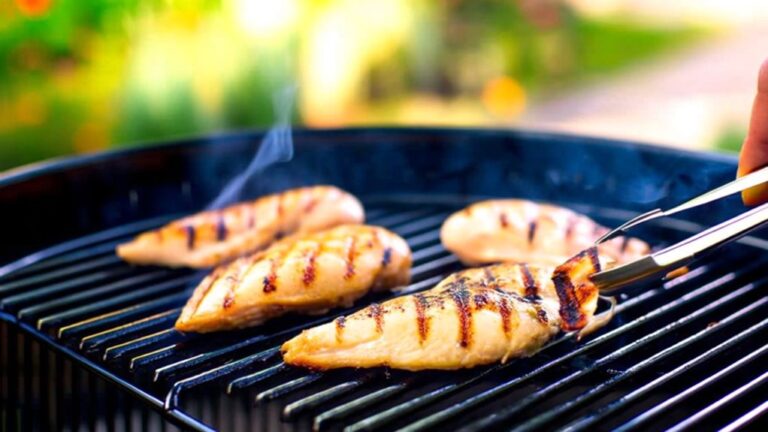
- Chicken – Yakitori is a classic, using thighs, breasts, or skin for rich flavor and tenderness.
- Beef – Thinly sliced cuts are ideal for shish kebabs, cooking evenly and soaking up marinades.
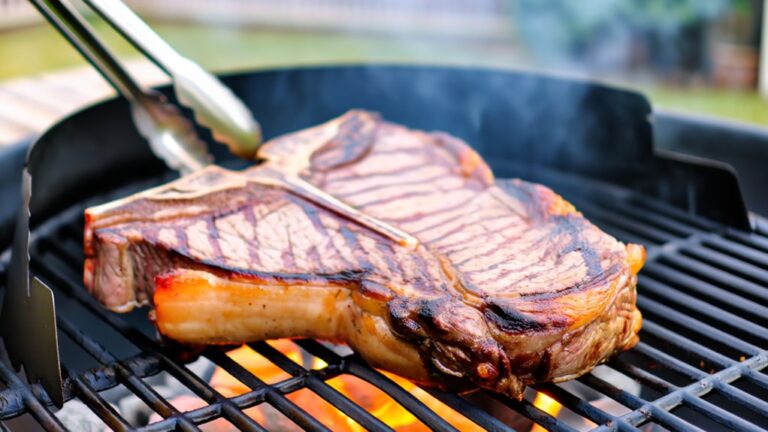
- Pork – Cuts like tenderloin or shoulder work great, offering juicy results with a nice char.
These skewered meats not only cook fast but also develop a delicious crust, making hibachi grilling both efficient and flavorful for your meals.
Vegetable Grilling Tips
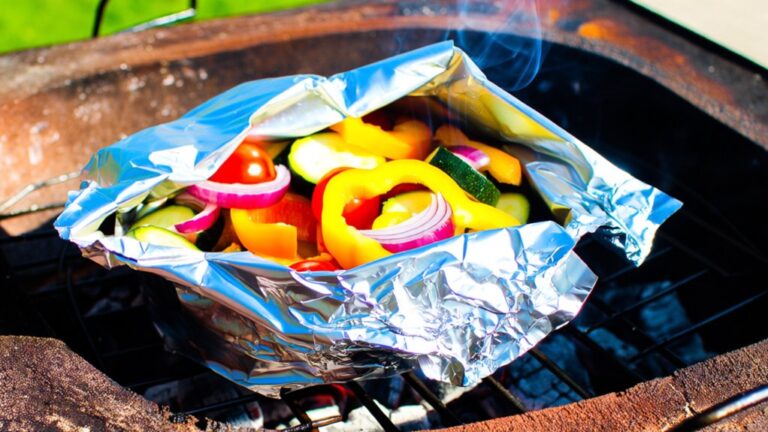
Although vegetables require a bit more care than meats, you’ll find that softer options like bell peppers, zucchini, and mushrooms grill quickly and soak up smoky flavors beautifully on a hibachi. For even cooking and easy handling, try skewering cherry tomatoes or onion chunks. Thinly sliced asparagus and eggplant get a perfect char without overcooking, enhancing their natural sweetness.
A light marinade of oil or sauce intensifies flavor and promotes caramelization, a key vegetable grilling tip rooted in traditional Japanese methods. Don’t overlook leafy greens like bok choy or spinach—grill them briefly to wilt while keeping their vibrant color. These simple techniques will help you master vegetable grilling on your hibachi grill with authentic flair.
Safety Precautions When Using a Hibachi Grill
Since hibachi grills often use charcoal, you’ll want to make sure you’re using them in well-ventilated areas to prevent carbon monoxide buildup. Taking proper safety precautions with your hibachi grill is essential to enjoy cooking without risks. Here are some key tips to keep in mind:
- Place your hibachi grill on a stable, heat-resistant surface to avoid tipping or accidental fires.
- Use metal chopsticks (hibashi) to handle hot charcoal safely—never touch it with your bare hands.
- Always stay near the grill while it’s lit, and make sure it’s fully extinguished after cooking to prevent fire hazards.
Additionally, be cautious of flare-ups and hot surfaces by wearing heat-resistant gloves and using long-handled utensils. Following these safety precautions will help you cook with confidence and avoid accidents when using your hibachi grill.
Differences Between Hibachi and Other Grilling Methods
When you choose a hibachi grill, you’re opting for a cooking method that uses direct charcoal or wood heat, which quickly sears your food and imparts a smoky flavor you won’t get from gas grills. Unlike hibachi’s compact and portable design, traditional grills often have larger surfaces and multiple burners for bigger gatherings. You’ll notice hibachi’s open-grate design allows fat to drip away from your food, promoting even cooking.
This contrasts with teppanyaki grills, which use flat tops that retain juices and moisture, creating a different texture. Hibachi focuses on simplicity and authenticity, highlighting the natural flavors of your ingredients without relying heavily on marinades or sauces. In comparison, other grilling methods might mask these natural tastes with added flavors.
Understanding these differences can help you appreciate hibachi’s unique approach and decide which grilling style suits your cooking preferences best.
Tips for Using a Hibachi Grill at Home
When you’re setting up your hibachi grill at home, start with high-quality charcoal and arrange it in a pyramid for even heat. Preheating the grill properly helps you get a perfect sear and prevents food from sticking. Using skewers makes flipping easier, and don’t forget to clean the grill while it’s still warm to keep it in good shape.
Preparing Your Hibachi Grill
Although preparing your hibachi grill might seem straightforward, choosing the right charcoal and arranging it properly are essential steps to achieving even heat and ideal cooking results.
Start by selecting high-quality binchotan charcoal, which burns cleanly and consistently. Then, arrange the charcoal in a pyramid shape to promote even ignition and heat distribution.
Here’s how to get started:
- Light the charcoal using a chimney starter or lighter cubes until it’s covered with white ash.
- Use metal chopsticks (hibashi) to safely adjust the charcoal and maintain airflow.
- Keep a spray bottle of water nearby to control flare-ups.
These steps guarantee your hibachi grill reaches the perfect temperature for cooking your favorite dishes.
Cooking Techniques and Safety
Since hibachi grills generate intense heat and open flames, practicing proper safety and cooking techniques is vital to enjoy a successful grilling experience at home. Always cook outdoors or in a well-ventilated area to prevent carbon monoxide buildup. Preheat your grill using quality binchotan charcoal for consistent heat and a longer burn.
Use metal chopsticks, called hibashi, to handle charcoal and food safely without touching hot surfaces. Keep a safe distance from the grill to avoid burns, especially when cooking at high temperatures. Once you’re done, extinguish the charcoal properly by cutting off its oxygen supply—either by closing vents or placing it in a metal container.
Following these cooking techniques and safety tips guarantees you enjoy your hibachi grill without accidents or hazards.
Cleaning and Maintaining Your Hibachi Grill
To keep your hibachi grill performing at its best, you’ll want to clean and maintain it regularly. Proper cleaning and maintenance not only extend the grill’s life but also guarantee safe, efficient cooking every time. Here’s how to stay on top of it:
Regular cleaning and maintenance keep your hibachi grill safe, efficient, and long-lasting for every cookout.
- Cool Down and Clear Debris: Always let your grill cool completely before starting any cleaning. Use a metal scoop or brush to remove ashes and leftover charcoal, keeping airflow unobstructed.
- Gentle Surface Cleaning: For stainless steel grills, apply a non-abrasive cleaner with a soft cloth to wipe away grease and food residue without scratching the surface.
- Maintain Airflow and Storage: Regularly check and clean the air vents to keep airflow efficient. When not in use, store your hibachi in a dry, well-ventilated area to prevent rust, especially if it’s made from cast iron or steel.
Following these simple steps will keep your hibachi grill in top shape for countless grilling sessions ahead.
Frequently Asked Questions
What Fuel Does a Hibachi Grill Use?
You’ll typically use charcoal as fuel for a hibachi grill, with binchotan charcoal being the best choice. It’s dense, burns longer, and produces less smoke, giving you consistent heat and great flavor.
While lump charcoal or briquettes work too, they might not deliver the same quality. Just make sure you have proper ventilation if you’re grilling indoors, since burning charcoal can produce carbon monoxide.
Is Hibachi Always Cooked in Front of You?
Did you know over 70% of teppanyaki restaurants feature chefs cooking right before guests? So, hibachi isn’t always cooked in front of you, but in most dining settings, it is.
The live cooking show, with tricks like onion volcanoes, adds excitement to your meal. However, if you’re using a traditional outdoor hibachi grill at home, you might be cooking without an audience, focusing more on flavor than performance.
What Is the Liquid They Spray in Your Mouth at Hibachi?
The liquid they spray in your mouth at hibachi is usually a mix of sake or water. It’s part of the chef’s fun performance to keep you entertained while cooking. Sometimes, sake is flavored to add a unique taste.
If you’re not comfortable with it, you can simply let the chef know—they’ll respect your choice. It’s all about making your dining experience lively and memorable.
What Makes a Grill a Hibachi Grill?
What makes a grill a hibachi grill is its compact size, portability, and use of charcoal as the heat source. You’ll notice it usually has an open grate design, allowing direct contact with the flames, which gives your food that distinct smoky flavor.
It’s often made from cast iron or stainless steel to hold high heat efficiently. So, if you want a simple, authentic grilling experience, that’s what sets hibachi apart.
Conclusion
As you gather around your hibachi grill, feel the warm glow of the charcoal flickering beneath the sleek surface. The sizzling sounds and enticing aromas draw you in, promising a meal crafted with care and tradition. Whether you’re mastering the dance of flames or savoring the smoky flavors, the hibachi invites you to slow down and connect—with food, with friends, and with the simple joy of cooking.
Embrace the heat, and let every meal become a celebration. Understanding how a hibachi grill works enhances this experience, allowing you to appreciate the perfect balance of heat and flavor. The charcoal’s radiant heat cooks food evenly, making each bite a delicious testament to this timeless cooking method.