What Is a Faucet Aerator
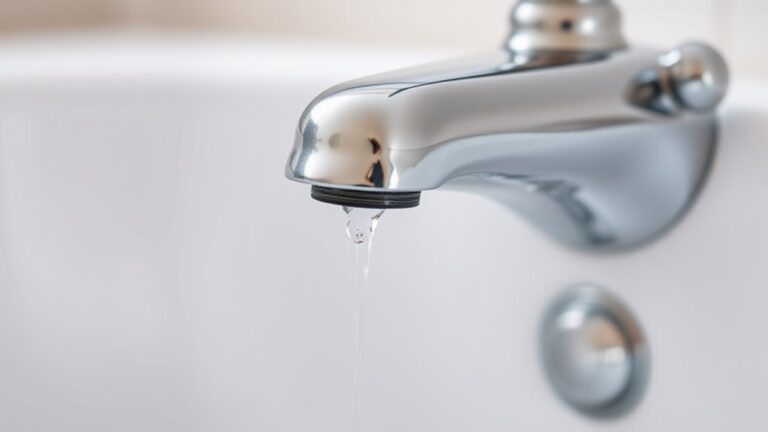
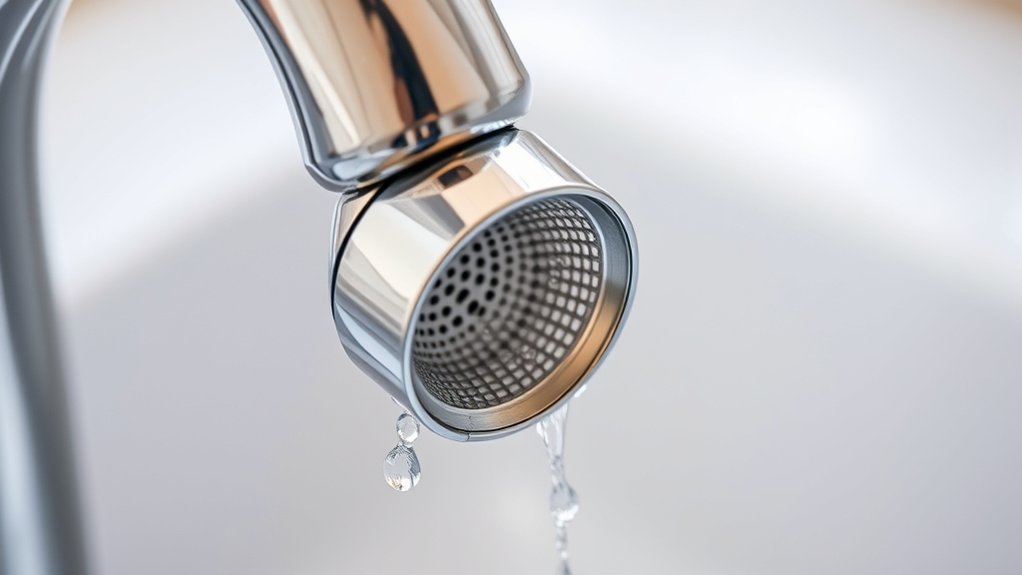
A faucet aerator is a small device you attach to your faucet’s tip that mixes air with water.
A faucet aerator controls flow to reduce splashing and maintain steady pressure while using less water. This helps you save on water and energy bills without losing performance.
Different types offer various spray patterns and flow options, so picking the right one matters.
You can also learn how to install, maintain, and troubleshoot them for ideal use.
What Is a Faucet Aerator?
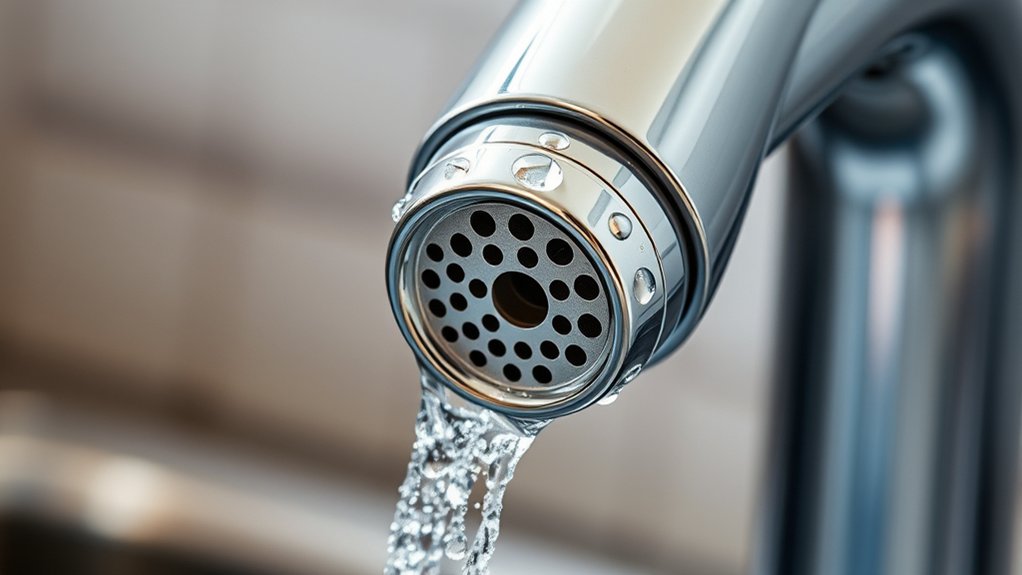
A faucet aerator is a small device attached to the tip of a faucet that mixes air with water to regulate flow. When you install one, you immediately gain multiple faucet benefits, including smoother water flow and reduced splashing.
This device works by breaking the water stream into tiny droplets and blending them with air, which means you use less water without sacrificing pressure. By doing this, it promotes water conservation, helping you minimize waste and lower your utility bills.
You’ll find that faucet aerators are easy to install and compatible with most standard faucets. Their simple design enhances water efficiency and provides practical advantages, making them an essential addition for anyone focused on sustainable water use and optimizing faucet performance.
How Faucet Aerators Improve Water Pressure and Save Water
Although you might expect reduced water flow to mean lower pressure, faucet aerators actually maintain or improve water pressure by introducing air into the stream. This process mixes air with water, creating a consistent, pressurized flow that feels full despite using less water.
By regulating pressure, aerators prevent the faucet from blasting water unnecessarily, which helps you achieve effective water conservation without sacrificing performance. The aerator’s mesh screen controls flow rate precisely, ensuring you get steady pressure while using notably less water.
Installing one means you can reduce water waste during daily activities like washing hands or dishes, ultimately lowering your water bills and environmental impact. Faucet aerators offer a practical, technical solution for efficient water use through optimized pressure regulation and conservation.
Types of Faucet Aerators to Know
Understanding how faucet aerators manage water flow and pressure sets the stage for recognizing the different types available. You’ll find several variations, each offering unique aerator benefits tailored to specific needs.
Whether you want to conserve water or improve pressure, knowing these types helps in choosing the right one. Basic installation tools like a wrench or pliers usually suffice for swapping or installing aerators.
| Type | Key Feature |
|---|---|
| Standard Aerator | Mixes air, reduces flow |
| Spray Aerator | Creates a wider spray pattern |
| Laminar Flow Aerator | Produces a non-splashing stream |
| Adjustable Aerator | Allows flow rate customization |
Each type optimizes water efficiency while maintaining performance, essential for practical use and maintenance.
Choosing the Right Faucet Aerator
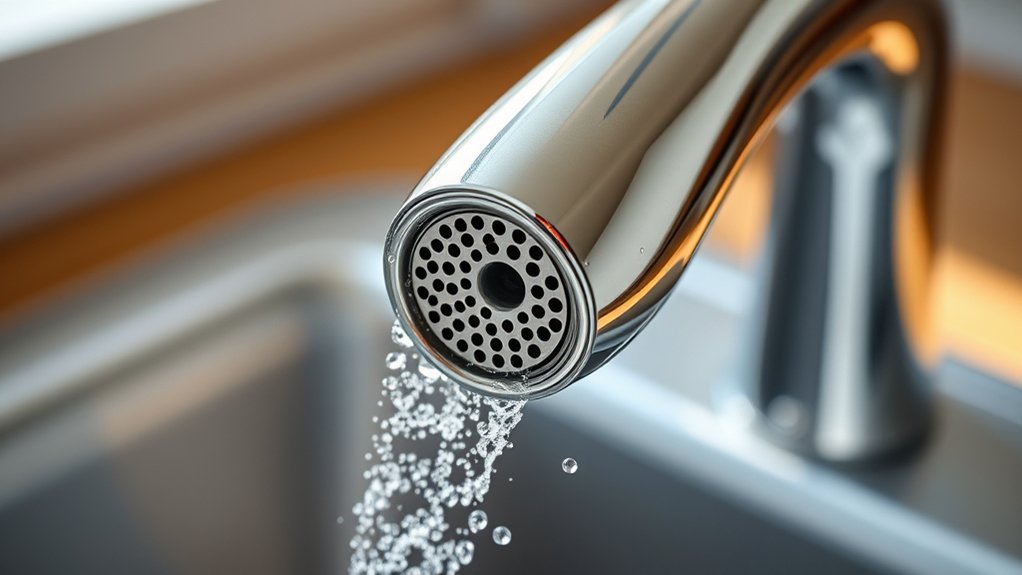
When selecting a faucet aerator, you should consider factors like water pressure, desired flow rate, and usage context to guarantee peak performance. Choosing the right aerator involves matching flow rates to your needs. Lower rates conserve water without sacrificing function.
Consider water pressure and flow rate to ensure your faucet aerator delivers optimal performance and efficiency.
Also, consider aerator materials; stainless steel offers durability, while plastic models resist corrosion and cost less. Finally, think about where you’ll use it, as kitchen and bathroom needs differ.
Keep these in mind:
- Optimize water efficiency without compromising pressure.
- Ascertain material compatibility with your faucet to avoid leaks.
- Match flow rates to specific tasks for comfort and savings.
How Do You Install and Maintain a Faucet Aerator?
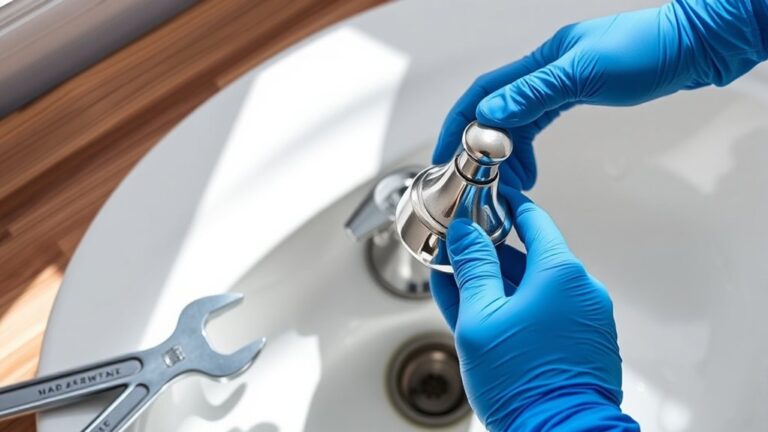
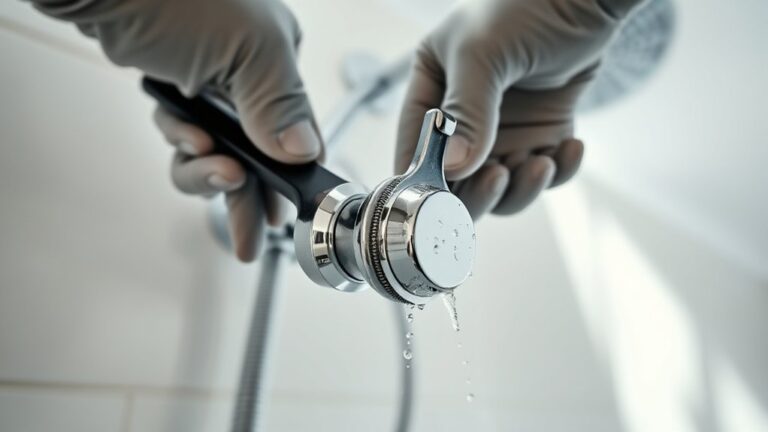
To install a faucet aerator, you’ll need to remove the old aerator, clean the threads, and securely screw on the new one without over-tightening.
Regular maintenance involves unscrewing the aerator periodically to rinse out debris and mineral buildup. Following these steps guarantees ideal water flow and extends the aerator’s lifespan.
Installation Steps Overview
Installing and maintaining a faucet aerator involves a few straightforward steps that assure ideal water flow and efficiency. To fully enjoy the aerator benefits, you’ll need some basic installation tools like an adjustable wrench and plumber’s tape.
Here’s an efficient process to follow:
Remove the old aerator carefully, preventing damage to the faucet threads.
Clean the faucet spout thoroughly to assure a proper seal.
Wrap plumber’s tape around the threads, then screw in the new aerator by hand before tightening with a wrench.
This approach assures a secure fit, prevents leaks, and optimizes water conservation. By handling installation with precision, you extend the aerator’s lifespan and maintain consistent performance without unnecessary hassle.
Cleaning and Upkeep Tips
Although a faucet aerator requires minimal maintenance, regular cleaning is crucial to sustain peak water flow and prevent mineral buildup. For effective aerator maintenance, remove the aerator every three to six months, depending on your water hardness.
Unscrew it carefully, then disassemble the components. Soak the parts in white vinegar for 30 minutes to dissolve mineral deposits, and use a soft brush to clear debris from the screen and nozzle. Rinse thoroughly before reassembling and reinstalling.
If you notice reduced water pressure or irregular spray patterns, increase your cleaning frequency. Consistent aerator maintenance not only guarantees top performance but also extends the lifespan of your faucet components, reducing the risk of costly repairs or replacements.
Troubleshooting Common Faucet Aerator Issues
If you notice low water pressure, your faucet aerator might be clogged with mineral deposits or debris. You’ll need to identify the cause by inspecting and cleaning the aerator screen regularly.
When cleaning doesn’t restore flow, consider replacing the aerator to maintain peak performance.
Low Water Pressure
Someone experiencing low water pressure from a faucet aerator should first check for common blockages or buildup. Proper pressure regulation is crucial for maintaining efficient water flow and effective water conservation.
Before replacing parts, consider these practical steps:
- Inspect the aerator screen for mineral deposits that restrict flow.
- Make sure the aerator is securely attached to prevent leaks reducing pressure.
- Verify the water supply valves are fully open to maximize flow.
Addressing these points helps restore ideal pressure without unnecessary water waste. If pressure remains low after these steps, the issue might extend beyond the aerator, requiring a professional assessment.
Aerator Clogging Causes
When your faucet aerator clogs, it usually results from mineral buildup, debris, or sediment restricting water flow. Understanding these causes helps you focus on clogging prevention to maintain peak aerator performance.
Hard water deposits minerals like calcium and magnesium, creating mineral buildup that narrows the aerator’s mesh. Additionally, particles from old pipes or external debris can settle inside, further blocking water.
| Cause | Impact on Aerator |
|---|---|
| Mineral Buildup | Narrows flow passages |
| Debris | Blocks screen and holes |
| Sediment | Accumulates, reducing pressure |
Identifying these factors guides your maintenance routine and helps you avoid frequent clogging issues.
Cleaning And Replacement Tips
Although clogged aerators can disrupt water flow, you can restore performance by regularly cleaning or replacing them. Maintaining your faucet aerator is essential to preserve aerator benefits like water efficiency and splash reduction. Aim for a maintenance frequency of every three to six months, depending on your water quality.
To troubleshoot common issues:
- Unscrew the aerator and soak it in vinegar to dissolve mineral deposits.
- Use a small brush or toothpick to clear debris from the mesh screen.
- Replace the aerator if damage or persistent clogging occurs.
Frequently Asked Questions
Can Faucet Aerators Filter Out Harmful Bacteria?
No, faucet aerators don’t perform bacteria removal; they mainly improve water quality by mixing air with water to reduce splashing and save water.
For harmful bacteria, you’ll need specialized filtration or disinfection systems.
Are Faucet Aerators Compatible With Outdoor Faucets?
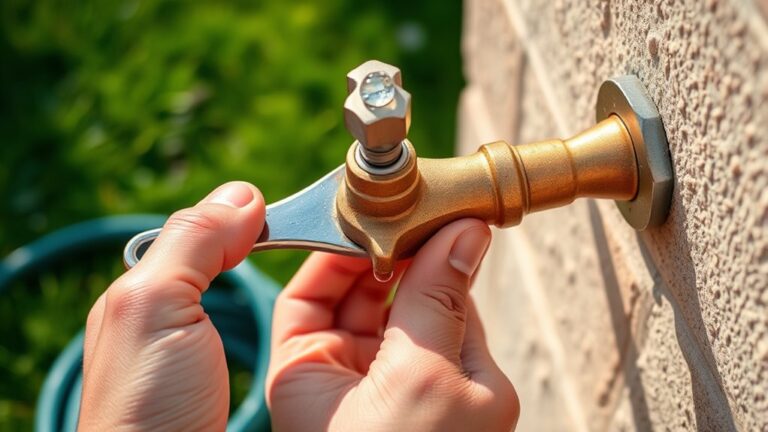
Yes, outdoor faucet compatibility depends on thread size; you’ll need to match standard threads. For aerator installation tips, guarantee a tight seal with plumber’s tape and avoid over-tightening to prevent damage or leaks.
Do Faucet Aerators Affect Water Temperature Control?
Wondering if faucet aerators impact water temperature control? They don’t directly affect it but can alter water flow.
For best results, follow installation tips carefully to maintain consistent temperature and optimize water efficiency.
Can a Faucet Aerator Help Reduce Noise in Plumbing?
Yes, you can reduce noise in plumbing by installing a faucet aerator. It improves noise reduction by smoothing water flow, which also boosts plumbing efficiency.
This minimizes turbulence and prevents loud, disruptive sounds in your pipes.
Are There Eco-Friendly Materials Used in Faucet Aerators?
Yes, you’ll find eco-friendly materials like stainless steel and BPA-free plastics in faucet aerators. These material types offer sustainability benefits by reducing environmental impact while maintaining durability and efficient water flow control for practical use.