How Many Faucets to Let Drip
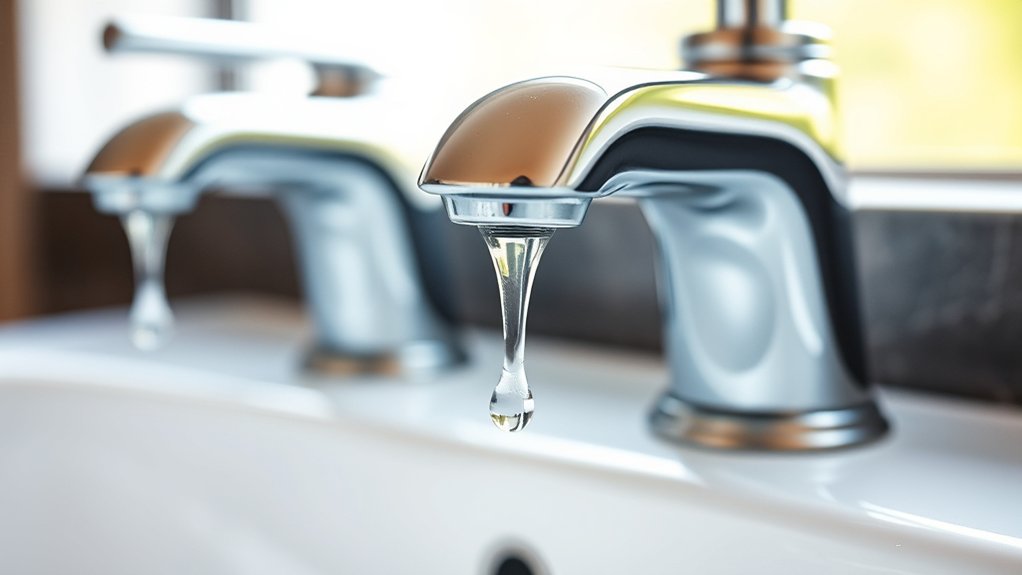
To prevent your pipes from freezing, knowing how many faucets to let drip is essential. In small homes, let 1-2 faucets drip; in medium homes, 2-3 faucets; and in large homes, 3-5 faucets. If your pipes are insulated, you can reduce that number by one.
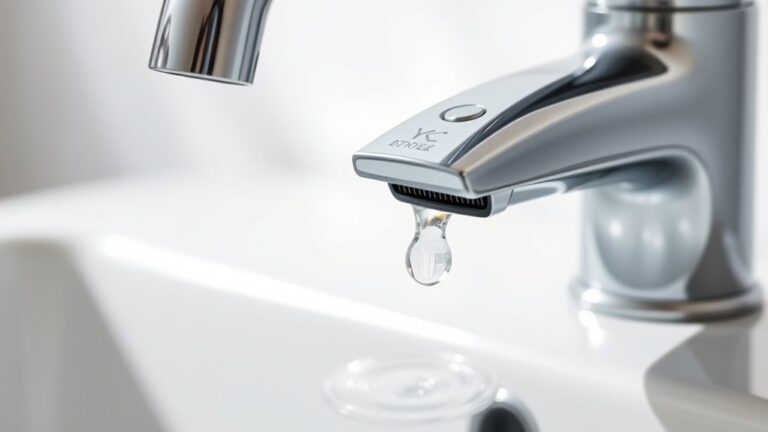
Focus on faucets farthest from the water main, especially those located in unheated or poorly insulated areas. A slow, steady drip of about one drop per second balances protection with water conservation.
Understanding which faucets need dripping and when to stop can further safeguard your plumbing. This approach helps prevent costly damage during cold weather while minimizing water waste.
Why Let Faucets Drip to Prevent Frozen Pipes
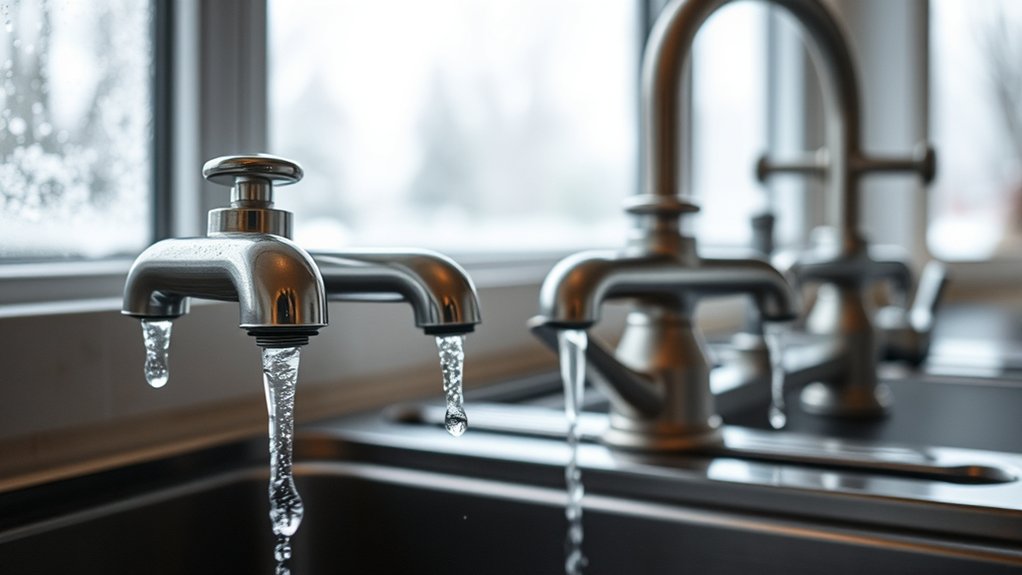
Although it may seem wasteful, letting your faucets drip during freezing temperatures helps prevent pipes from freezing and bursting. When water continuously moves, it reduces pressure buildup caused by ice blockages inside pipes.
You should prioritize dripping faucets located farthest from your water main, as these pipes are most vulnerable. Combining this practice with pipe insulation enhances protection by retaining heat and reducing freezing risk.
While dripping uses extra water, it’s a strategic trade-off compared to costly repairs and water loss from burst pipes. To balance water conservation with pipe safety, limit the drip to a slow, steady stream rather than a full flow.
This method maintains flow without excessive waste, ensuring your plumbing withstands extreme cold effectively.
How Do Cold Temperatures Affect Your Pipes?
Letting your faucets drip helps prevent frozen pipes, but understanding how cold temperatures affect your plumbing can guide you in taking further protective measures. When temperatures drop below 20°F (-6°C), water inside pipes can freeze, expand, and cause pipes to crack or burst.
This temperature impact varies depending on pipe material, insulation, and exposure to cold air. Metal pipes contract faster than plastic ones, increasing vulnerability. Areas near exterior walls, unheated basements, and crawl spaces face higher risk.
Frozen pipe prevention requires identifying these weak points and maintaining ambient temperatures above freezing. You can also use pipe insulation and heat tape. By knowing how cold affects your pipes, you’ll better protect your home and avoid costly repairs during harsh winter conditions.
How Many Faucets to Let Drip by Home Size
How many faucets you should let drip depends largely on the size and layout of your home. Larger homes with multiple water lines and varied faucet types need more points dripping to maintain flow and prevent freezing. Proper pipe insulation reduces the number of faucets required but doesn’t eliminate the need.
Use this table to guide decisions based on home size and pipe insulation status:
| Home Size | Faucet Types Considered | Faucets to Let Drip (Approx.) |
|---|---|---|
| Small (1-2 BR) | Single kitchen, bath | 1-2 |
| Medium (3-4 BR) | Kitchen, baths, laundry | 2-3 |
| Large (5+ BR) | Multiple kitchens, baths | 3-5 |
| Insulated Pipes | All sizes | Reduce by 1 |
| Poor Insulation | All sizes | Follow standard count |
Adjust based on your home’s specific layout and pipe insulation quality.
Which Faucets Should You Let Drip to Prevent Freezing?
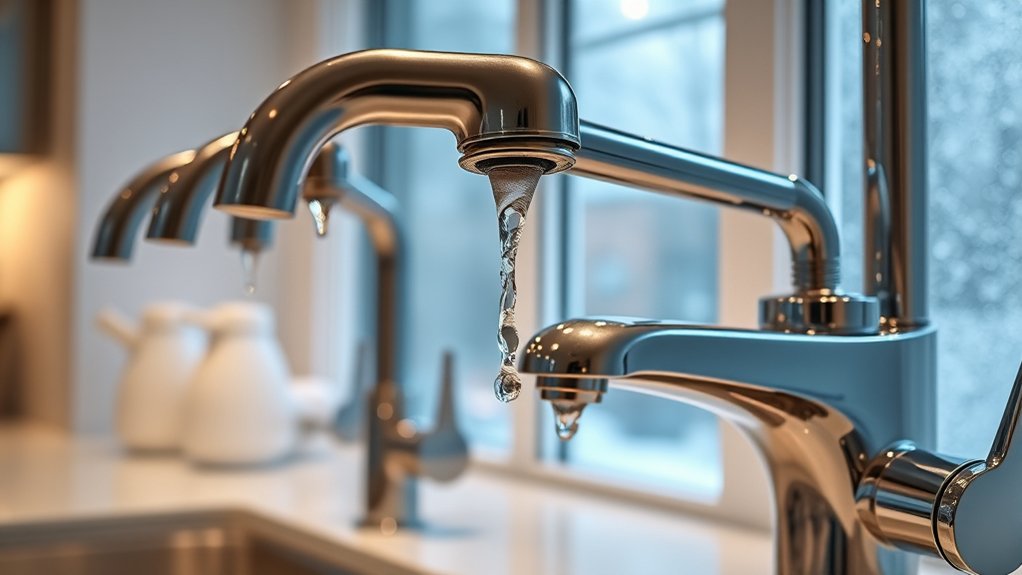
You should focus on faucets most vulnerable to freezing, especially those located outdoors and in basements. These areas typically have less insulation and are more exposed to cold temperatures.
Prioritize letting these faucets drip to maintain water flow and reduce freeze risk.
Vulnerable Faucets To Drip
Because certain faucets are more prone to freezing, you should prioritize letting those drip during cold weather. Focus on faucets that lack proper faucet insulation and are located in areas where temperature monitoring shows frequent drops below freezing. These vulnerable points need attention to prevent pipe bursts.
Key faucets to let drip include:
- Faucets on exterior walls without adequate insulation
- Faucets near unheated spaces like crawl spaces or attics
- Faucets with visible signs of frost or freezing risk
Prioritize Outdoor And Basement
Although indoor pipes can freeze, outdoor and basement faucets are the most critical to let drip during freezing temperatures. Outdoor pipes face direct exposure to cold air, increasing their freeze risk.
Letting these faucets drip maintains water movement, reducing pressure buildup from frozen blockages. In basements, pipes often run through unheated areas with inadequate basement insulation, making them vulnerable.
You should prioritize dripping faucets connected to these poorly insulated sections to prevent ice formation. Inspect your basement insulation and verify it’s sufficient to protect pipes; if not, dripping faucets in these areas becomes essential.
How Pipe Location Affects Faucet Drip Needs

When pipes run through colder areas like uninsulated crawl spaces or exterior walls, you’ll need to let more faucets drip to prevent freezing. Your home’s interior layout plays a vital role here. Pipes closer to exterior walls or in unheated spaces are more vulnerable, even if you’ve applied pipe insulation.
To determine which faucets to drip, consider:
- Pipes located in uninsulated or poorly insulated areas require additional faucets dripping.
- Faucets connected to pipes running through exterior walls need priority.
- Interior layout that isolates cold zones from heated spaces increases the number of faucets to drip.
How to Save Water While Keeping Pipes Safe
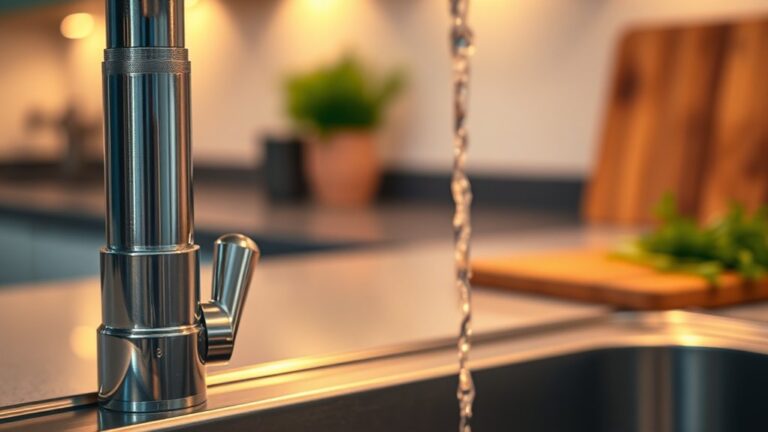
You want to let faucets drip just enough to keep water moving and prevent freezing without wasting excess water. Aim for a slow, steady drip, about one drop per second, at faucets most vulnerable to cold.
This balance protects your pipes while minimizing water loss.
Ideal Faucet Drip Amount
How much should you let your faucet drip to prevent pipe freezing without wasting excessive water? The ideal drip rate balances pipe protection with water conservation. Aim for a slow, steady drip, roughly one drip per second, to maintain flow without significant waste. Consider these points:
- Maintain a consistent drip rate; too fast increases water use, too slow risks freezing.
- Focus on faucets connected to vulnerable pipes, minimizing the number dripping.
- Use a container or flow meter to measure and adjust drip rate precisely.
Preventing Pipe Freezing
Although letting faucets drip helps prevent pipe freezing, you can save water by targeting only the most vulnerable areas. Focus on pipes located in unheated spaces such as basements, crawl spaces, and exterior walls.
Start by applying pipe insulation to these sections, which reduces heat loss and lowers the risk of freezing. During winter maintenance, seal gaps and cracks near pipes to prevent cold air infiltration.
Additionally, open cabinet doors under sinks to allow warmer room air to circulate around plumbing. Instead of dripping multiple faucets, concentrate on one or two in critical zones, maintaining a slow, steady flow.
Combining targeted faucet dripping with pipe insulation and thorough winter maintenance optimizes protection while conserving water effectively.
How to Know When to Stop Dripping Your Faucets
When should you stop dripping your faucets to prevent frozen pipes without wasting water? You’ll want to balance drip frequency with actual risk. Stop dripping once temperatures consistently stay above freezing and pipe integrity is secure. Use precise temperature monitoring to guide your decision.
Consider these steps:
- Track outdoor and indoor temps; stop dripping when readings remain above 32°F (0°C) for 24 hours.
- Evaluate pipe insulation and exposure; well-insulated pipes may require less frequent dripping or none at all.
- Monitor drip frequency; reduce or stop gradually as risk decreases to avoid water waste.
Frequently Asked Questions
Can Dripping Faucets Cause Higher Water Bills?
A dripping faucet is like money leaking through a cracked pipe. You’ll see higher water bills without water conservation efforts.
Conduct a cost analysis to identify and fix leaks promptly, preventing unnecessary expenses and saving resources efficiently.
Is It Better to Drip Hot or Cold Water?
You’re better off dripping cold water since hot water benefits are outweighed by energy waste. Dripping hot water increases heating costs and risks pipe damage, while cold water reduces freezing risks with minimal energy impact.
Will Leaving Faucets Dripping Damage My Plumbing?
You won’t damage your plumbing by dripping faucets if you combine it with proper pipe insulation and regular plumbing maintenance. This prevents freezing and reduces stress on pipes, ensuring your system remains functional and durable.
How Does Water Pressure Affect Dripping Faucets?
You’ll find that high water pressure can cause dripping faucets to worsen, reducing faucet functionality and increasing wear. Maintaining ideal pressure guarantees steady flow and prevents leaks, preserving your plumbing system’s efficiency and longevity.
Can Other Methods Prevent Frozen Pipes Besides Dripping Faucets?
Yes, you can prevent frozen pipes by applying pipe insulation and heat tape. These methods maintain pipe temperature effectively, reducing freezing risks.
Combine both for ideal protection, especially in vulnerable or exposed plumbing sections during cold weather.