How Does a Charcoal Grill Work?
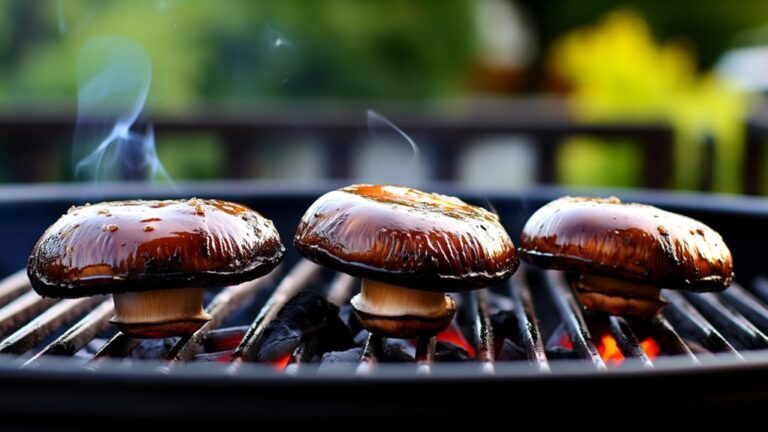
A charcoal grill works by burning charcoal that produces heat and smoke for cooking. This method of grilling is popular because it imparts a unique smoky flavor to food.
You control the temperature by adjusting airflow through vents—opening them lets more oxygen in, raising the heat, while closing slows the burn.
The lid traps heat and smoke, creating direct or indirect cooking zones. Smoke adds flavor, and different charcoals affect taste and burn time.
Mastering vent control and charcoal types will help you cook delicious meals every time.
Explore further to reveal grilling secrets and enhance your charcoal grilling skills. Understanding how a charcoal grill works is key to achieving the perfect grilled dish.
With practice, you’ll enjoy the art of grilling like a pro.
Key Takeaways
- Charcoal grills burn charcoal to produce heat through a chemical reaction between carbon and oxygen.
- Airflow is controlled via adjustable vents to regulate oxygen, affecting combustion and temperature.
- Charcoal ignites and heats up, producing coals that radiate intense, even heat for cooking.
- The grill lid traps heat and smoke, allowing for consistent cooking and smoky flavor infusion.
- Cooking zones can be created by arranging coals for direct searing or indirect slow cooking.
The Basics of Charcoal Combustion
When you ignite charcoal, the heat triggers a reaction between carbon and oxygen, producing both heat and light. This combustion process is the heart of grilling with charcoal. As the charcoal burns, it undergoes pyrolysis, breaking down into volatile gases and leaving behind ash and carbon.
These elements generate the intense heat necessary for cooking, with temperatures reaching around 1,200°F (650°C) under ideal conditions. Oxygen plays a critical role here; by adjusting the airflow through the grill’s dampers, you control how much oxygen reaches the burning charcoal, which directly influences the temperature and combustion rate.
The process also produces smoke, which carries flavor compounds that give grilled food its unique taste. Effective charcoal combustion guarantees steady heat and rich smoky flavor, distinguishing charcoal grilling from other methods. Understanding these basics helps you better manage your grill for perfect results every time.
Types of Charcoal Used in Grilling
Although both lump charcoal and briquettes serve the same purpose, you’ll find they differ considerably in composition and performance. There are two main types of charcoal used in grilling, each suited to different cooking styles and flavor profiles.
- Lump Charcoal: Made from whole hardwood pieces, it lights quickly and produces high heat with less ash. It’s perfect for searing meats and imparts unique flavors, especially when using fruit or hardwood varieties like mesquite.
- Charcoal Briquettes: Created from compressed sawdust and binders, briquettes burn evenly and longer, making them ideal for low and slow cooking or smoking. They provide consistent heat but may contain additives.
- Flavor Impact: Different types of charcoal influence your food’s taste. Lump charcoal often adds more intense, natural smoky notes, while briquettes offer steadier heat and milder smoke.
Choosing the right type of charcoal depends on whether you’re aiming for high heat or a slow, smoky cook.
Lighting Methods for Charcoal Grills
Picking the right charcoal is just part of the grilling equation; how you light it plays a big role in getting your grill up and running efficiently. One popular method is using a chimney starter, where you place newspaper or a fire starter at the bottom, fill the chimney with charcoal, then ignite the paper. This creates hot coals evenly, perfect for charcoal grilling.
Another option is lighter fluid—arrange your charcoal in a pyramid, soak it lightly, and ignite immediately to jumpstart the fire. You can also use electric starters, which heat the coals without chemicals. Whichever method you choose, wait until the coals are ashed over before placing the cooking grate and starting.
This indicates the right temperature for grilling. For longer cooks, add hot coals as needed and adjust vents carefully to maintain temperature control. Lighting your charcoal properly guarantees a steady, even heat for the best grilling results.
How Airflow Controls Temperature
Understanding airflow is key to controlling your grill’s temperature, and it all starts with adjusting the dampers. The lower damper lets fresh air in, feeding the charcoal, while the upper damper releases smoke and heat.
Airflow Basics
Because airflow controls how much oxygen reaches the coals, adjusting the grill’s dampers lets you manage temperature effectively. Understanding airflow basics is key to mastering your charcoal grill. Here’s what you need to know:
- The lower damper lets fresh air in, fueling the coals and raising the temperature by increasing oxygen flow.
- The upper damper releases smoke and excess heat, preventing the grill from overheating and allowing you to control cooking conditions.
- Keeping the grill lid closed traps heat and smoke, maintaining steady cooking temperatures, while opening it lets heat escape and cools the grill.
Damper Adjustments
Adjusting the dampers on your charcoal grill lets you control how much air flows through, which directly affects the temperature inside. When you open the lower damper, airflow increases, making the coals hotter and raising the temperature. Closing it lowers both airflow and heat.
The upper damper helps release smoke and manage temperature by letting heat escape. Making gradual damper adjustments guarantees stable temperature during grilling. Balancing both dampers is key for consistent control, especially on longer cooks.
| Damper Position | Airflow Level | Effect on Temperature |
|---|---|---|
| Fully Open | High | Coals burn hotter |
| Half Open | Medium | Moderate heat |
| Closed | Low | Coals cool down |
Ventilation Effects
While the lower dampers and upper vent might seem simple, they play an essential role in controlling your grill’s temperature by managing airflow. The ventilation system of your charcoal grill relies on these components to regulate heat and guarantee even cooking without hot spots.
Here’s how adjusting airflow affects temperature:
- Opening the lower damper increases oxygen flow, boosting temperature for searing and faster cooking.
- Partially closing the upper vent limits oxygen, lowering temperature ideal for slow cooking or smoking.
- Balancing both ensures a steady airflow, preventing hot spots and promoting uniform heat distribution.
Direct vs. Indirect Heat Zones
When you grill, understanding the difference between direct and indirect heat zones can make all the difference in how your food turns out. Direct heat means placing food right over the hot coals for quick searing, perfect for thinner cuts or veggies. Indirect cooking moves food away from flames, using a cooler side for slower, even cooking—ideal for larger cuts.
Setting up a two-zone fire by piling coals on one side creates both heat zones on your cooking grates. Keep the lid closed during indirect cooking to trap heat and mimic an oven, enhancing flavor. Adjusting your grill’s dampers controls the temperature of the grill in each zone.
| Heat Zone | Placement | Best For |
|---|---|---|
| Direct Heat | Over hot coals | Thin cuts, vegetables |
| Indirect Heat | Away from coals | Roasts, whole chickens |
| Two-Zone Fire | Coals on one side | Combines both methods |
Managing Charcoal Burn Time and Heat Output
Because charcoal burn time directly affects your cooking, you’ll want to use about one chimney’s worth of charcoal—roughly 3 pounds—to keep a steady heat for 1 to 2 hours. Managing heat output and burn time means paying close attention to how you arrange the coals and control airflow.
Here’s how to effectively manage your grill’s temperature and charcoal burn time:
- Arrange coals for a two-zone fire: pile them on one side for high heat and leave the other side cooler for indirect cooking.
- Adjust the lower damper to control airflow; open it to increase oxygen and heat, or close it partially to reduce temperature and slow the burn.
- For longer grilling sessions, add lit charcoal every 30 to 60 minutes to maintain consistent heat output.
The Role of Smoke in Flavor Enhancement
Controlling your charcoal’s burn time and heat lays the groundwork for the flavors your food will take on. The smoke from charcoal contains organic compounds like phenols that create the smoky flavor you crave in smoked meats. Adding wood chips, such as apple for mild or hickory for intense smoke, lets you tailor that flavor further.
The temperature at which smoke is produced—ideally between 225°F to 275°F—ensures the perfect balance of heat and smoke absorption. Pay attention to the smoke’s color; a shift from thick white to light blue signals clean combustion, delivering superior flavor without bitter creosote. The cut of meat also influences smoke penetration—thicker cuts need longer exposure to develop deep, rich smoky notes.
Tools and Accessories for Charcoal Grilling
Having the right tools can make all the difference in your charcoal grilling experience. To get started, a charcoal chimney lights your coals quickly and evenly, while long-handled tongs let you move hot coals and food safely. Don’t forget a sturdy grill brush to keep your cooking grate clean before and after grilling.
Here are three essential accessories to enhance your grilling:
- Meat thermometer – guarantees your food reaches the perfect internal temperature without guesswork.
- Charcoal baskets – help you create separate heat zones for direct and indirect cooking.
- Heat-resistant gloves – protect your hands when adjusting hot components or handling coals.
Together, these tools streamline your grilling, improve safety, and boost flavor, making your charcoal grill easier and more enjoyable to use every time.
Safety Measures When Using Charcoal Grills
When you fire up your charcoal grill, safety should be your top priority to prevent accidents and guarantee a fun cooking experience. Always place your grill on a stable surface away from flammable materials like wood or fabric. Keep a fire extinguisher nearby so you can quickly handle unexpected flare-ups.
Be cautious with lighter fluid and quick-light charcoal; using too much can cause dangerous flames and spoil your food’s taste. Regularly check and clean the ash catcher to avoid ash buildup, which can hinder airflow and increase fire risks. After grilling, let your used coals cool completely for up to two days before disposal.
To be extra safe, wrap the cooled ashes in aluminum foil before throwing them away. Following these safety steps guarantees your charcoal grilling is both enjoyable and accident-free.
Cleaning and Maintaining Your Charcoal Grill
To keep your charcoal grill performing at its best, you’ll want to clean the grill grates right after cooking to remove any stuck-on food. Don’t forget to empty the ash catcher regularly to maintain proper airflow.
Also, check and clean the dampers and vents to guarantee your grill heats evenly every time.
Cleaning Grill Grates
Although cleaning grill grates might seem tedious, it’s essential for maintaining your charcoal grill’s performance and flavor. To clean the grill properly, follow these steps:
- After each use, scrape the grill grates with a sturdy grill brush to remove food particles and prevent buildup.
- For a deeper clean, soak the grates in warm, soapy water to loosen stubborn residue, then scrub.
- Rinse and dry thoroughly to avoid rust, and if you have cast iron grates, season them with a thin layer of vegetable oil to protect the non-stick surface.
Ash Disposal Tips
Keeping your grill grates clean sets the stage for proper maintenance, but managing the ashes is just as important for your charcoal grill’s longevity and safety. Always let the ashes cool completely—this can take up to two days. Use a metal container with a lid to store cooled ashes and unburned coals, ensuring you dispose safely, perhaps by wrapping ashes in foil.
Regularly empty the ash catcher to prevent grease buildup and maintain proper airflow for ideal grilling.
| Tip | Reason |
|---|---|
| Cool ashes fully | Prevent fire hazards |
| Use metal container | Safe storage and transport |
| Wrap in foil | Avoid embers escaping |
| Empty ash catcher | Maintain airflow |
| Clean grill grates | Reduce grease buildup |
Maintaining Airflow Components
Because airflow is essential for temperature control, you’ll want to regularly clean your grill’s vents and dampers to keep them free from obstructions. This guarantees consistent heat and better cooking results.
To maintain your grill’s airflow components:
- Clear ash buildup from the charcoal grate and ash catcher after each use to prevent airflow restrictions.
- Use a grill brush to clean the cooking grate before and after grilling, as residue can block vents and affect flavor.
- Inspect the interior, including the chimney and smoke stack, to remove any blockages and lubricate damper mechanisms for smooth adjustments.
Frequently Asked Questions
How Do You Use a Charcoal Grill for Beginners?
To use a charcoal grill as a beginner, start by lighting charcoal in a chimney starter for about 15-20 minutes until they’re ashed over.
Pour the hot coals into the grill, spreading them evenly for direct heat or on one side for indirect cooking.
Adjust the vents to control temperature—open for more heat, close to reduce it.
Place the cooking grate back, grill your food, and monitor with a thermometer.
After cooking, close vents to safely extinguish coals.
Do You Leave the Lid Open or Closed on a Charcoal Grill?
Think of your charcoal grill like a dragon that needs to breathe fire—leave the lid open when lighting the coals so it gets plenty of air and flames up properly. Once the coals are glowing and covered in ash, close the lid to trap heat and cook your food evenly.
Keeping the lid closed during cooking also helps prevent flare-ups and keeps the temperature steady, making your grilling experience much smoother.
How Long Should You Let Charcoal Burn Before Cooking?
You should let your charcoal burn for about 10-15 minutes until it’s covered with gray ash. This means the coals have reached the right temperature, usually between 500°F and 600°F, perfect for cooking.
If you’re using a chimney starter, expect about 20 minutes. Waiting for the coals to ash over helps you avoid flare-ups and guarantees even heat, giving your food the best cooking conditions.
What Are the Downsides of Charcoal Grilling?
Charcoal grilling’s like trying to tame a wild stallion—you’ve got to wrestle with inconsistent heat and longer setup times. You’ll find it tricky to keep steady temperatures, and using lighter fluid might leave your food tasting off.
Plus, there’s more smoke, ash, and cleanup involved. Handling those hot coals can be risky too, so you’ll need to watch out for flare-ups and fires while managing airflow carefully.
Conclusion
Now that you know how a charcoal grill works, you can light your coals with confidence, control the airflow with precision, and create perfect direct or indirect heat zones. You’ll enhance flavors with smoky goodness, use the right tools with ease, and follow safety measures without hassle.
You’ll clean and maintain your grill like a pro, ensuring every cookout is better than the last. So fire up your grill, savor the process, and enjoy delicious results every time! Mastering how a charcoal grill works allows you to maximize flavor and cooking efficiency for unforgettable outdoor meals.