How Long to Grill Hot Dogs at 400 Degrees Step by Step
To grill hot dogs at 400 degrees, start by preheating your grill and cleaning the grates thoroughly. Proper preparation ensures your hot dogs cook evenly and develop delicious grill marks.
Place your scored hot dogs evenly on the grill.
Turn them every 2 to 3 minutes to guarantee even cooking on all sides. It generally takes 6 to 8 minutes until they have nice grill marks and reach an internal temperature of about 155°F.
Avoid overcooking by watching closely and using tongs for gentle turns.
Keep going for tips on flavor and serving. Enjoy perfectly grilled hot dogs every time with these simple steps.
Key Takeaways
- Preheat grill to 400°F for 10-15 minutes and clean grates before cooking hot dogs.
- Grill hot dogs directly on grates for 6-8 minutes, turning every 2-3 minutes for even cooking.
- Rotate hot dogs gently using tongs to maintain shape and achieve uniform grill marks.
- Check internal temperature aiming for 155°F to 160°F to ensure proper doneness.
- Let hot dogs rest for 1-2 minutes after grilling to enhance juiciness before serving.
Preparing Your Grill for 400 Degrees
Before you start grilling hot dogs at 400 degrees, you’ll want to preheat your gas grill to medium-high heat, aiming for a steady temperature between 375 and 400°F. This temperature range guarantees your hot dogs cook evenly without burning. Begin by cleaning your grill grates thoroughly to remove any leftover residue.
Once clean, lightly oil the grates to prevent sticking when you grill hot dogs. Use a grill thermometer to accurately monitor the internal temperature, maintaining the medium-high heat throughout. Allow your grill to preheat for about 10 to 15 minutes; this helps achieve consistent heat across the grill surface.
When ready to cook, place the hot dogs diagonally on the grill grates. This angle not only creates attractive grill marks but also increases the grilling surface area, promoting even cooking. Proper preparation sets the foundation for perfectly grilled hot dogs every time. Remember to clean grill grates with a grill brush before preheating to improve flavor and prevent sticking.
Selecting the Best Hot Dogs for Grilling
When selecting hot dogs for grilling, focus on quality—opt for all-beef varieties that promise juiciness and rich flavor. Pay attention to the casing, as a good snap indicates a satisfying texture. Don’t hesitate to try different styles, like cheese-stuffed or spicy options, to find what suits your taste best.
Choosing Quality Hot Dogs
Quality is key to grilling hot dogs that burst with flavor and juiciness. When choosing quality hot dogs, look for all-beef varieties free from fillers and preservatives to maximize flavor and texture. Opt for plump, juicy hot dogs that promise to be juicy on the inside and offer a satisfying bite.
Uniform size matters too—it guarantees even cooking, preventing some from drying out while others remain undercooked. Checking the packaging can help you spot hot dogs made from prime cuts or minimally processed meat, which usually deliver better taste. Don’t hesitate to try specialty options like jalapeño or cheese-stuffed hot dogs to elevate your grilling experience.
With these tips, you’ll pick hot dogs that truly shine on the grill.
Casing and Texture Options
Choosing the right casing can make all the difference in your grilled hot dog experience. Natural casings offer a satisfying snap and help retain moisture, enhancing texture and flavor. Skinless hot dogs are easier to grill but lack that classic bite.
Collagen and lamb casings provide unique textures and tastes, so don’t hesitate to experiment. Avoid fillers and preservatives to keep your hot dogs juicy and flavorful. Here’s a quick guide:
| Casing Type | Texture | Grilling Notes |
|---|---|---|
| Natural | Snappy | Retains moisture well |
| Skinless | Soft | Easy to handle |
| Collagen | Firm | Mild flavor |
| Lamb | Slightly Chewy | Distinctive taste |
| No fillers | Juicy | Best flavor and texture |
Aim for an internal temperature of 155°F-160°F for perfect doneness.
How to Score Hot Dogs for Even Cooking
If you want your hot dogs to cook evenly and get a nice crispy texture, scoring them is a simple trick you’ll appreciate. Making shallow diagonal cuts not only helps prevent bursting but also lets seasonings soak in better.
Let’s look at some easy techniques and tips to get the best results when scoring your hot dogs.
Scoring Techniques Overview
One simple way to guarantee your hot dogs cook evenly and develop a crispy exterior is by scoring them before grilling. Scoring techniques involve making shallow cuts, about 1/4 inch deep, along the length of each hot dog. These slits let steam escape, preventing bursting while promoting even heat distribution.
Whether you use a sharp knife or a specialized scorer tool, you can create simple diagonal cuts or decorative patterns to add visual appeal. Scoring not only produces those satisfying crispy edges but also helps enhance flavor by improving texture and allowing seasonings to penetrate better. Doing this step before cooking—whether grilling, air frying, or pan-searing—ensures your hot dogs come out juicy, flavorful, and perfectly cooked every time.
Benefits of Scoring
Though scoring hot dogs is optional, it offers clear benefits by helping them cook evenly and preventing bursting on the grill. By making shallow cuts along the hot dogs, you increase their surface area, which allows heat to penetrate more uniformly. This even cooking reduces the risk of undercooked centers or split casings.
Plus, scoring hot dogs encourages the formation of a delicious caramelized crust, enhancing both flavor and texture. The cuts let more of the hot dog’s surface crisp up, giving you that satisfying snap with every bite. Especially with thicker hot dogs, scoring guarantees they cook thoroughly without drying out.
Scoring Tips and Tricks
Scoring hot dogs properly can make a big difference in how evenly they cook and how tasty they turn out. To get the best texture and flavor, use these scoring tips to increase the surface area and help prevent bursting while grilling.
- Make 2-3 shallow diagonal cuts about 1/4 inch deep on each hot dog with a sharp knife.
- Scoring enlarges the surface area, enhancing caramelization and crispiness on the outside.
- Adjust scoring depth and number of slits based on your preference for texture — more cuts mean more crunch.
These simple steps improve even cooking and create a satisfying snap, while keeping the inside juicy. Whether you love the classic smooth hot dog or prefer a crispy twist, scoring is a great trick to elevate your grilling game.
Placing Hot Dogs on the Grill Properly
When you preheat your grill to 400 degrees Fahrenheit, you set the stage for perfectly cooked hot dogs. To place them properly, lay the hot dogs directly on the grill grates, making certain to space them out. This spacing allows proper airflow, which is key for even cooking.
Position each hot dog at a 45-degree angle to the grates; this not only creates attractive grill marks but also increases the surface area for a nice char. Appropriate placement helps you control the cook time and guarantees consistent results. Remember, you’ll want to rotate the hot dogs every 2-3 minutes to avoid burning one side while achieving an even char all around.
Timing Your Hot Dog Grill: 6 to 8 Minutes Guide
You’ll want to grill your hot dogs at 400 degrees for about 6 to 8 minutes to lock in juiciness and flavor. Remember to turn them occasionally so they cook evenly without burning.
Checking that internal temperature hits between 155°F and 160°F guarantees they’re safe and perfectly done.
Optimal Grilling Duration
Grilling hot dogs at 400 degrees Fahrenheit for about 6 to 8 minutes is your best bet for juicy, evenly cooked results. This timeframe allows the hot dogs to heat through while developing a nice char without drying out.
To nail the ideal grilling duration, keep these cooking tips in mind:
- Turn the hot dogs occasionally to guarantee even cooking and prevent burning.
- Use a meat thermometer to check the internal temperature; aim for 155°F to 160°F for safety and taste.
- Score the hot dogs lightly before grilling for extra crispiness and to avoid bursting.
Temperature and Timing
Although hot dogs cook quickly, timing them right at 400 degrees Fahrenheit is key to juicy, evenly cooked results. For best results, preheat your grill to a consistent 400°F before placing the hot dogs on the grates. Grill them for 6 to 8 minutes, turning occasionally to guarantee every side gets direct heat and cooks evenly.
Keep an eye on the internal temperature—it should reach between 155°F and 160°F to assure safe, delicious hot dogs. Scoring the hot dogs before grilling helps with even cooking and prevents bursting, while adding extra char and flavor.
Turning Hot Dogs to Achieve Perfect Grill Marks
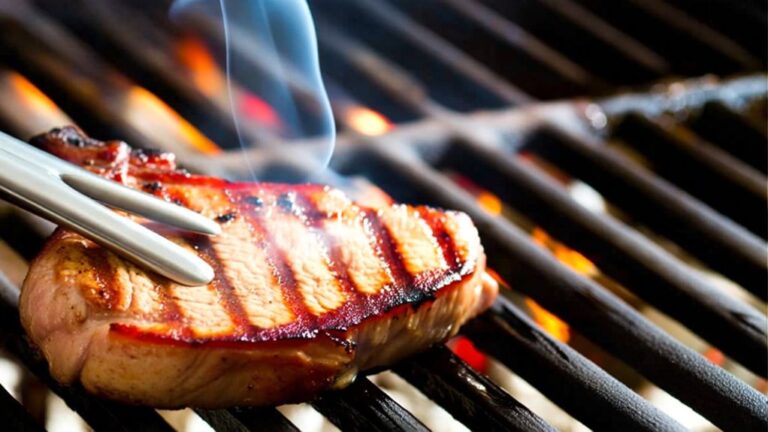
If you want perfectly grilled hot dogs with distinct marks, turning them every 1-2 minutes is key. This frequent turning guarantees even cooking and prevents burning while helping you achieve those classic grill marks. Position your hot dogs at a 45-degree angle on the grates to enhance the visual appeal of the grill marks.
Keep your grilling time between 5-7 minutes, turning hot dogs gently with tongs to maintain their shape and avoid splitting.
Grill hot dogs for 5-7 minutes, turning gently with tongs to keep their shape and prevent splitting.
To master turning hot dogs for perfect grill marks, remember:
- Use tongs to rotate hot dogs gently and keep them intact
- Angle hot dogs at 45 degrees to create striking grill marks
- Turn every 1-2 minutes within the 5-7 minute grilling time for even charring
Checking for Doneness and Juiciness
Knowing when your hot dogs are perfectly cooked is key to enjoying their full flavor and juiciness. When checking for doneness, grill your hot dogs for about 5-7 minutes at 400 degrees Fahrenheit, making certain they reach an internal temperature between 155°F and 160°F. This ascertains they’re safe to eat and at their tastiest.
You can also tell they’re done when you notice a slight sheen on the surface—that’s a sign they’re retaining moisture and staying juicy. A properly cooked hot dog will have a satisfying snap when you bite into it, indicating it’s cooked through without drying out. If you’re using an air fryer, 4 to 6 minutes at the same temperature works well.
After cooking, let your hot dogs rest for a minute or two; this helps redistribute the juices inside, maximizing juiciness and flavor. Checking for doneness and juiciness this way guarantees a perfectly grilled hot dog every time.
Adding Flavor Enhancements Before Grilling
Before you start grilling, adding flavor enhancements can take your hot dogs from basic to unforgettable. By preparing them thoughtfully, you’ll boost their taste and texture right from the start.
Consider these simple yet effective ways to amp up your hot dogs directly:
- Marinate hot dogs in a blend of spices inside a zip-top bag for 20-30 minutes to infuse rich flavors.
- Score the hot dogs with a knife to release juices and create crispy edges, preventing them from bursting on the grill.
- Coat with a championship-winning BBQ rub like 5 Alarm Honey Rub for a sweet and spicy caramelized crust.
After grilling, brushing your hot dogs with BBQ sauce adds a delicious, smoky layer that complements the grill’s char.
These flavor enhancements guarantee every bite is packed with mouthwatering complexity, making your grilling experience truly memorable.
Tips for Avoiding Overcooking or Burning
Once you’ve added those delicious flavor enhancements, it’s important to keep a close eye on your hot dogs while grilling. Grilling at a hot grill set to 400 degrees means your grilled hot dogs cook quickly, typically in 5 to 7 minutes. To avoid overcooking, turn them occasionally for even heat distribution and watch for char marks without letting them burn.
Using a timer helps you stay on track and prevents distraction. Also, avoid overcrowding the grill; leaving space allows heat to circulate evenly and reduces the risk of burning. Brushing your hot dogs with a light coating of oil or melted butter not only boosts flavor but also facilitates a nice char without sticking or burning.
Finally, check the internal temperature with a meat thermometer, aiming for 155°F to 160°F—this guarantees your hot dogs are perfectly cooked without drying out or overcooking. Following these tips assures tasty, evenly cooked grilled hot dogs every time.
Serving Suggestions for Grilled Hot Dogs
One great way to elevate your grilled hot dogs is by serving them in soft, slightly sweet brioche-style buns that complement their flavor and texture perfectly. When choosing hot dog buns, opt for ones that hold up well to juicy toppings without falling apart. For toppings your hot dogs, mix classic choices like mustard, ketchup, and relish with gourmet options such as sauerkraut, chili, or melted cheese.
Elevate grilled hot dogs with soft brioche buns and a mix of classic and gourmet toppings like sauerkraut and melted cheese.
You can also brush your hot dogs with BBQ sauce or sprinkle a championship-winning BBQ rub for extra flavor. To create a complete meal experience, pair your hot dogs with tasty sides.
Consider adding these to your spread:
- Coleslaw or potato salad for creamy, crunchy contrast
- Corn on the cob for a sweet, buttery side
- A platter with various toppings and condiments so everyone can customize their own
This setup guarantees a fun, flavorful meal everyone will enjoy.
Frequently Asked Questions
How Long to Grill Hot Dogs at 400 Degrees?
You’ll want to grill hot dogs at 400 degrees for about 4 to 7 minutes. Make sure to turn them occasionally so they cook evenly and get those nice grill marks. If your hot dogs are thicker, they might need a bit more time.
You can even score them beforehand to prevent bursting and create a crispier texture. Always check that they reach an internal temperature of 155°F to 160°F for safety.
When to Flip Hotdogs on the Grill?
You should flip your hot dogs about 2-3 minutes into grilling at 400 degrees. This timing helps guarantee even cooking and a nice char all around. After flipping, rotate them a quarter turn every minute to get perfect grill marks and prevent sticking.
Use tongs, not a fork, to avoid piercing the casing and losing juices. Keep an eye on them to avoid blistering or splitting, which means it’s time to flip or lower the heat.
Do You Grill Hot Dogs With the Lid Open or Closed?
You usually grill hot dogs with the lid closed because it traps heat and smoke, cooking them evenly and faster while adding great flavor. Keeping the lid closed also helps prevent flare-ups that can burn your dogs.
If you want to watch them closely or prefer more control, you can grill with the lid open, but you’ll need to turn them more often. It really depends on what you prefer and your grill setup.
What’s the Secret to Juicy Grilled Hot Dogs?
You might think just grilling hot dogs is enough, but the secret to juicy grilled hot dogs lies in picking high-quality, all-beef franks—they snap and taste way better. Don’t skip scoring or spiralizing them; it boosts flavor and juiciness by increasing surface area.
Also, brushing them with oil or butter before grilling creates a crispy exterior. Letting them rest after cooking seals in the juices, making every bite satisfyingly juicy.
Conclusion
Grilling hot dogs at 400 degrees is so quick and easy, you’d think they’d cook themselves! In just 6 to 8 minutes, you’ll have juicy, perfectly charred dogs that could make even a top chef jealous. Don’t overthink it—score them, place them right, and keep an eye so they don’t turn into little burnt sausages of doom.
Follow these steps, and you’ll be the grill master everyone’s begging for at every cookout! Mastering how long to grill hot dogs at 400 degrees ensures your hot dogs come out delicious every time. With proper timing and technique, your grilled hot dogs will be the highlight of any barbecue.