How You Can Grill Pork Tenderloin Perfectly Every Time
To grill pork tenderloin perfectly every time, start by trimming the silver skin and seasoning with a flavorful dry rub.
Preheat your grill to 450-500°F and set up two heat zones. This method ensures a juicy and tender result that’s full of flavor.
Sear the tenderloin directly for about 1.5 minutes per side, then move it to indirect heat until it hits 145°F internally.
Let it rest for 10 minutes before slicing to keep it juicy.
Keep going, and you’ll discover tips for seasoning, slicing, and creative leftovers.
Key Takeaways
- Trim silver skin and season pork tenderloin with oil and dry rub for even flavor and cooking.
- Preheat grill to 450-500°F, setting up direct and indirect heat zones for searing and finishing.
- Sear tenderloin 1.5 minutes per side on high heat, then move to indirect heat until internal temperature reaches 145°F.
- Use an instant-read thermometer to check doneness, aiming for a slight pink center and firm texture.
- Let tenderloin rest 10 minutes before slicing to lock in juices and enhance tenderness.
Understanding Pork Tenderloin Vs Pork Loin
When choosing between pork tenderloin and pork loin, it’s important to know their key differences. Pork tenderloin is a smaller, lean cut from the muscle alongside the backbone, usually weighing between 1.25 to 1.75 lbs. It’s boneless and cooks quickly, making it perfect for high-heat grilling.
Pork loin, on the other hand, is larger, weighing 2 to 5 lbs, and can be bone-in or boneless. It’s better suited for slower cooking methods due to its size and texture. You’ll want to note the cooking requirements for each: pork tenderloin reaches ideal flavor at an internal temperature of 140°F to 145°F, while pork loin also cooks to 145°F but needs longer time.
Because of these differences in size, tenderness, and cooking needs, substituting one for the other isn’t recommended if you want the best results on your grill. Understanding these distinctions helps you choose the right cut and achieve ideal flavor every time.
Preparing Your Pork Tenderloin for Grilling
To prepare your pork tenderloin for grilling, start by trimming off the silver skin with a sharp knife to guarantee even cooking and tenderness. Next, apply a light coating of oil to help your seasoning stick and build a flavorful crust. Use a simple dry rub like salt, pepper, garlic powder, and smoked paprika—avoid sugary marinades that burn easily.
After seasoning, let the tenderloin rest at room temperature for about 15 minutes to guarantee even cooking. Meanwhile, preheat your grill to 450-500°F and set up a two-zone fire for best results.
| Step | Action | Tip |
|---|---|---|
| 1 | Trim silver skin | Use a sharp knife |
| 2 | Apply oil & seasoning | Helps spices adhere |
| 3 | Rest at room temperature | Promotes even cooking |
| 4 | Preheat grill & set zones | Grill at high heat (450-500°F) |
Remember to monitor the internal temperature for perfect doneness.
Essential Tools and Equipment for Grilling
Getting your pork tenderloin ready with the right prep steps sets you up for success, but having the proper tools on hand makes the grilling process much smoother. Before you start, a grill brush is essential for cleaning the grates, ensuring your pork won’t stick and will get a beautiful sear. Using vegetable oil to lightly coat the grill grates further prevents sticking and promotes even cooking.
A preheated grill is key, as it guarantees consistent heat from the moment you place your tenderloin on the grates. You’ll want a good pair of tongs to flip and move the meat safely without piercing it, keeping those precious juices inside. Finally, an instant-read thermometer is your best friend for checking doneness; you want to pull the pork at 145°F for juicy, perfectly cooked results.
While you’ll use indirect heat for finishing your tenderloin, these tools will help you handle every step confidently.
Setting Up Your Grill for Two-Zone Cooking
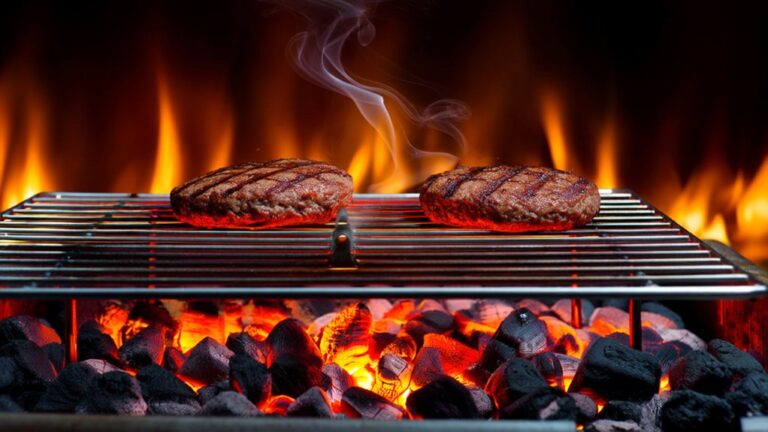
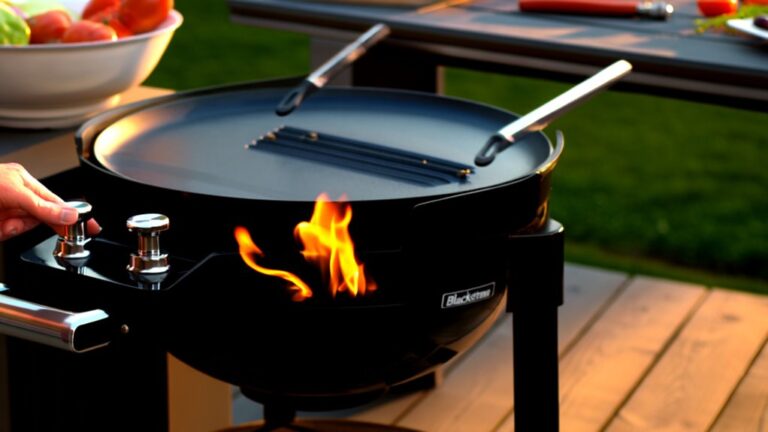
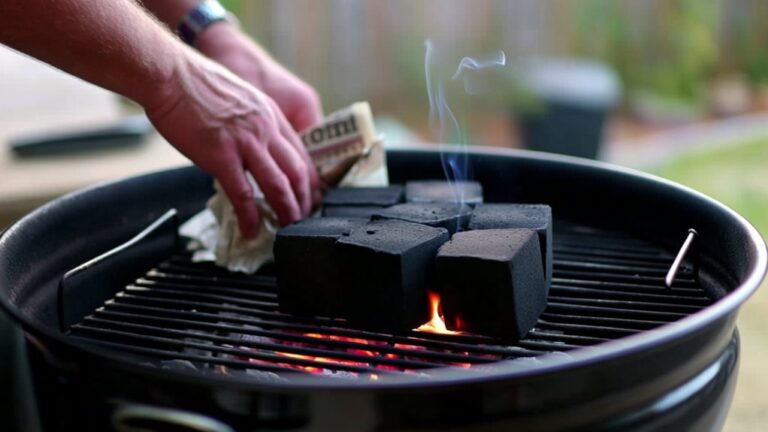
Although it might seem tricky at first, setting up your grill for two-zone cooking is straightforward and vital for perfect pork tenderloin. On a gas grill, light one side to medium-high heat while leaving the other side off for indirect cooking. For charcoal, pile hot coals on one side, creating a hot zone and a cooler zone.
Preheat your grill for about 5 minutes and confirm grates are clean and oiled. This setup lets you sear over high heat and finish cooking over indirect heat, promoting even cooking and preventing over-charring. Maintain grill temperatures between 450-500°F for best results.
| Grill Type | Setup Steps |
|---|---|
| Gas Grill | Ignite one side to medium-high heat; leave other side off for indirect cooking |
| Charcoal Grill | Pour coals on one side for hot zone; leave other side empty for indirect cooking |
| Preheat | 5 minutes |
| Temperature | Maintain 450-500°F |
Seasoning Techniques for Maximum Flavor
How do you make certain every bite of your pork tenderloin bursts with flavor? The key lies in smart seasoning techniques. Opt for dry rubs over sugary marinades to avoid burning during grilling.
Combine pantry staples like salt, pepper, garlic powder, smoked paprika, brown sugar, and onion powder to create a balanced flavor profile that enhances but doesn’t overpower the pork tenderloin. After trimming, apply your dry rub evenly across the surface for maximum flavor penetration.
For best results, let the seasoned pork rest in the fridge for up to 24 hours—this allows the spices to meld deeply into the meat. Avoid high-sugar marinades as they tend to caramelize and burn, masking the tenderloin’s natural taste.
Step-by-Step Guide to Grilling Pork Tenderloin
To grill pork tenderloin perfectly, you’ll start by trimming and seasoning the meat, then setting up your grill with both direct and indirect heat zones.
Next, you’ll sear the tenderloin on high heat before moving it to indirect heat to finish cooking.
Finally, letting the meat rest after grilling guarantees juicy, tender slices every time.
Preparing the Tenderloin
Before you fire up the grill, start by trimming the silver skin from your pork tenderloin to guarantee it cooks evenly and stays tender. Once trimmed, lightly coat the tenderloin with oil and sprinkle your favorite dry seasonings all over for a flavorful crust without burning. This prep helps the pork tenderloin develop a tasty exterior while keeping the inside juicy.
Remember, proper preparation sets the stage for grilling success. After seasoning, you’ll be ready to place the tenderloin on the grill. Keep an instant-read thermometer handy to monitor the internal temperature—aim for 145 degrees for perfect doneness.
Once cooked, let the pork tenderloin rest for at least 10 minutes. This rest period locks in juices, ensuring each bite is tender and flavorful.
Setting Up Grill
Start by preheating your grill to 450-500 degrees Fahrenheit, creating a hot environment ideal for searing your pork tenderloin. Next, set up a two-zone grilling area by establishing direct heat on one side and indirect heat on the other. This setup allows you to sear the tenderloin quickly over direct heat, then move it to indirect heat to finish cooking without burning.
Before placing the pork on the grill, trim any silver skin and lightly coat it with oil and dry seasonings. Use a digital thermometer to monitor the internal temperature, aiming for 145 degrees Fahrenheit for perfect doneness. This method guarantees your pork tenderloin cooks evenly, stays juicy, and develops a delicious crust.
Cooking and Resting
Once your grill is preheated and your pork tenderloin is trimmed and seasoned, you’ll want to sear it over direct heat for about 1-1/2 minutes on each side to develop a flavorful crust. After searing, move the pork tenderloin to the indirect heat zone and grill for 5 minutes or until the internal temperature reaches 145 degrees Fahrenheit. Use a digital thermometer inserted into the thickest part to check doneness accurately.
Once done, let it rest for at least 10 minutes to redistribute juices and keep the meat tender. Remember these key points:
- Season the pork well before grilling
- Sear on direct heat to form a crust
- Use a thermometer inserted to monitor temperature
- Let it rest before slicing for juicy results
How to Check for Perfect Doneness
To nail the perfect doneness, you’ll want to rely on internal temperature guidelines, aiming for 145°F as recommended. Using an instant-read thermometer can give you the most accurate reading when inserted into the thickest part of the tenderloin.
Beyond temperature, you’ll also want to look for visual cues like a slight pink center and a firm texture to confirm it’s cooked just right.
Internal Temperature Guidelines
Getting the internal temperature right is key to grilling pork tenderloin perfectly. To guarantee juiciness and tenderness, aim for an internal temperature of 145 degrees, as recommended by the USDA. Using an instant-read thermometer, insert it into the thickest part of the tenderloin to check doneness accurately.
After grilling, be sure to rest for 10 minutes; this step lets the juices redistribute for better flavor and texture. To avoid overcooking, keep a close eye on the temperature, since going above 145 degrees can dry out your pork.
- Target internal temperature: 145 degrees
- Use an instant-read thermometer for accuracy
- Rest the meat for 10 minutes after grilling
- Avoid overcooking for ideal juiciness and tenderness
Using Instant-Read Thermometers
Although grilling times can vary, using an instant-read thermometer guarantees you’ll know exactly when your pork tenderloin hits the perfect 145°F. To get an accurate internal temperature, insert the thermometer into the thickest part of the pork tenderloin, avoiding bones or the grill. Check the temperature a few minutes before your estimated cooking time to prevent overcooking.
A digital instant-read thermometer gives quick readings, letting you monitor the process closely. Once the pork reaches 145 degrees, remove it from the heat and let it rest for at least 10 minutes. This rest period allows the juices to redistribute, ensuring your grilled pork stays tender and flavorful every time.
Using this method takes the guesswork out of grilling pork tenderloin perfectly.
Visual and Texture Cues
While an instant-read thermometer gives you precise temperature, you can also rely on visual and texture cues to confirm your pork tenderloin is perfectly cooked. Look for a well-seared, browned exterior with a slightly pink center, signaling juiciness and ideal internal temperature. The pork tenderloin should feel firm but still have some give when pressed.
Clear juices running when pierced indicate it’s ready to rest. Resting is essential, as it redistributes moisture, enhancing tenderness.
- Exterior: well-seared and browned
- Center: slightly pink for juiciness
- Texture: firm with slight give
- Juices: run clear before resting
Using these cues alongside your thermometer guarantees perfectly cooked pork tenderloin every time.
Resting and Slicing Your Grilled Tenderloin
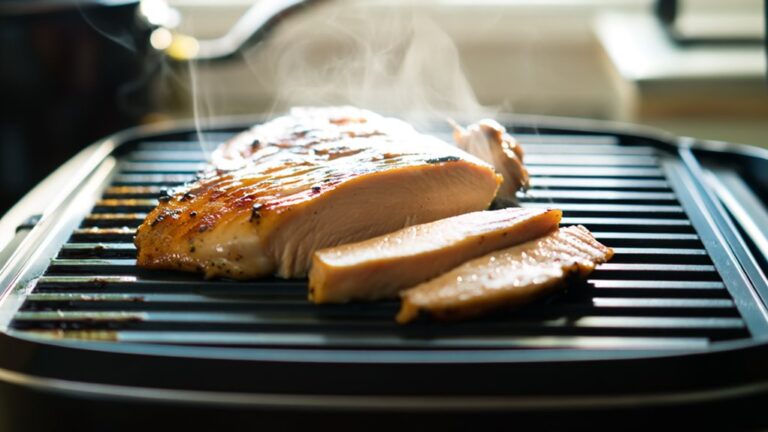
Once your pork tenderloin has reached an internal temperature of at least 145°F, you’ll want to let it rest for at least 10 minutes to keep it juicy and flavorful. Resting allows the juices to redistribute throughout the meat, preventing dryness and enhancing the overall flavor and tenderness. Don’t skip this step—it’s key for a perfectly cooked tenderloin.
When it’s time for slicing, use a sharp knife to cut the pork tenderloin crosswise. Aim for slices about 1/2 inch to 1 inch thick; this thickness helps retain the meat’s juices in each slice, boosting juiciness and improving presentation. Thin slices are easier to serve and eat, making your grilled pork tenderloin more enjoyable.
Delicious Sauce Pairings and Serving Ideas
If you want to elevate your grilled pork tenderloin, pairing it with the right sauce can make all the difference. Sauces like BBQ sauce, chimichurri, or creamy chipotle add a burst of flavor that complements the pork’s natural taste. For a touch of sweetness, try a honey glaze or a fruit-based sauce, which pairs beautifully with the tenderloin’s savory notes.
When serving, slice the pork tenderloin crosswise to showcase its juicy interior, making it easier and more appealing to eat. Consider these serving ideas to round out your meal:
- Pair with grilled vegetables for a healthy, colorful side.
- Serve alongside mashed potatoes for a comforting combo.
- Add a drizzle of BBQ sauce or honey glaze directly on the sliced pork.
- Use leftover pork tenderloin in salads or fried rice for another delicious meal.
These tips will guarantee your pork tenderloin is not only perfectly grilled but also perfectly served.
Storage Tips and Creative Leftover Recipes
Although grilled pork tenderloin tastes best fresh off the grill, you can easily store leftovers to enjoy later without losing flavor or texture. Use airtight containers to keep your pork tenderloin fresh in the refrigerator for up to 3-4 days. If you don’t plan to eat it soon, freezing tenderloin—either whole or sliced—is a great option, preserving it for up to 3 months.
When it comes to leftover recipes, slicing pork thinly boosts its versatility. Toss diced pork into fried rice, salads, or tacos for a quick, flavorful meal. Thin slices also work perfectly in sandwiches or wraps paired with your favorite veggies and condiments.
To reheat, warm the pork gently in a skillet or microwave, adding a splash of broth or sauce to maintain moisture. Following these storage tips and creative leftover recipes guarantees you enjoy your grilled pork tenderloin long after the grill cools down.
Frequently Asked Questions
How Do You Keep Pork Tenderloin From Drying Out on the Grill?
To keep pork tenderloin from drying out on the grill, you’ll want to sear it quickly over direct heat to lock in the juices, then finish cooking it over indirect heat. Use an instant-read thermometer to pull it off right at 145°F.
Don’t forget to rest it for at least 10 minutes before slicing — this helps the juices redistribute, keeping every bite tender and moist.
How Should I Grill a Pork Tenderloin?
You should start by trimming the silver skin and lightly oiling the pork tenderloin, then season it with salt, pepper, and garlic powder.
Preheat your grill to 450-500°F and create two heat zones. Sear the tenderloin on direct heat for about 1.5 minutes per side, then move it to indirect heat until the internal temp hits 145°F.
Let it rest for 10 minutes before slicing to keep it juicy and flavorful.
What Is the 7 6 5 Method for Grilling Pork Tenderloin?
Here’s the secret: the 7 6 5 method. You start by grilling your pork tenderloin for 7 minutes on one side, then flip it for 6 minutes on the other.
But don’t rush—after that, you let it rest for 5 minutes. This simple timing trick locks in juiciness and guarantees perfect doneness every time.
Trust me, once you try it, you’ll never grill pork any other way.
Should You Wrap Pork Tenderloin in Foil When Grilling?
You don’t have to wrap pork tenderloin in foil when grilling, but it can help keep it juicy and prevent burning.
If you want a nice char and grill marks, skip the foil or unwrap it during the last few minutes of cooking. It really depends on whether you prefer tender, moist meat or a flavorful crust.
Experiment and see what texture and taste you like best!
Conclusion
Now that you’ve mastered the art of grilling pork tenderloin, you’re all set to impress without breaking a sweat. With the right prep, seasoning, and that perfect two-zone setup, your tenderloin will come out juicy and flavorful every time—no guesswork needed.
Just remember to let it rest a bit before slicing, so those delicious juices can settle in. Enjoy serving up something truly special that’s bound to disappear fast! Grilling pork tenderloin perfectly every time ensures a delicious, tender meal that everyone will love.