How to Repair a Leaky Tub Faucet
To repair your leaky tub faucet, start by identifying its type—compression, cartridge, ball, or ceramic disc—and pinpoint the source of the leak. Turning off the water supply is essential before beginning any repairs.
Next, remove the handle and inspect washers, cartridges, or seals for signs of damage. Clean off any mineral buildup that might be causing the leak.
Replace any worn parts with new ones, then carefully reassemble the faucet. Afterward, test it to ensure the leak is fixed.
Keep essential tools like wrenches and plumber’s grease handy throughout the process. Following these steps helps prevent further damage.
Exploring more detailed guides will provide precise fixes and maintenance tips to keep your tub faucet in good working order.
How To Identify the Cause of Your Leaky Tub Faucet
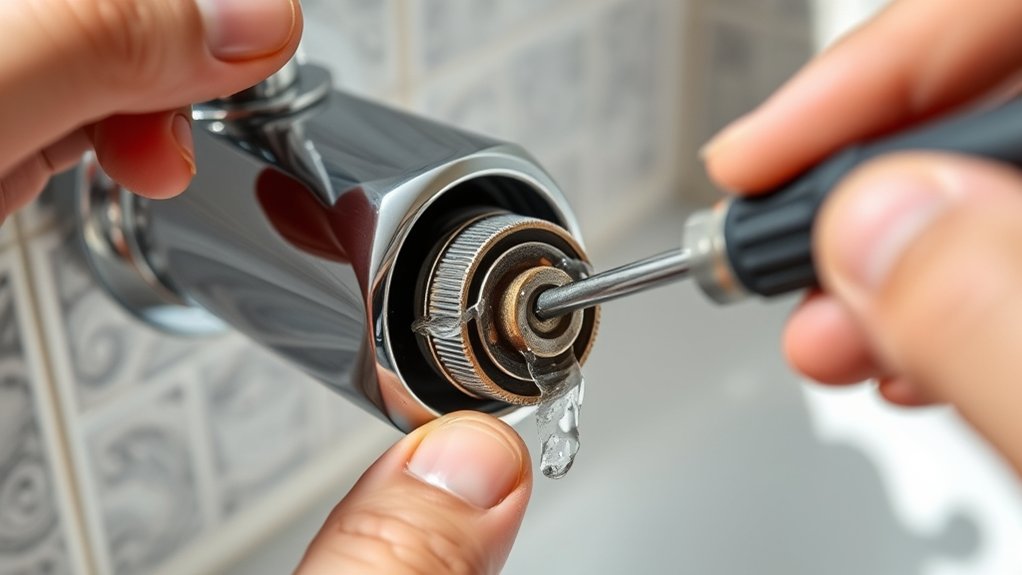
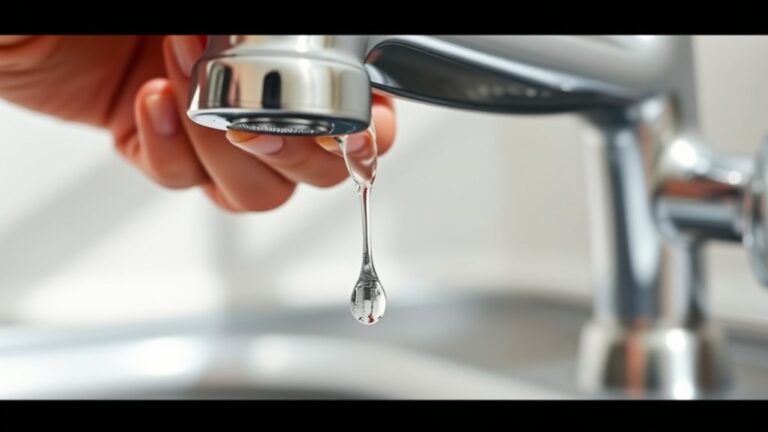
How do you pinpoint the exact cause of your leaky tub faucet? Start by identifying your faucet type, whether it’s a compression, cartridge, ball, or ceramic disc. Each has distinct components prone to specific common leaks.
For compression faucets, worn-out washers often cause drips. Cartridge faucets typically leak due to damaged cartridges or O-rings. Ball faucets may leak from faulty ball bearings or seals, while ceramic disc types usually fail because of cracked or worn ceramic discs.
Observe where the leak originates, spout, handle, or base, to narrow down the culprit. Also, check water pressure and mineral buildup, as these factors exacerbate leaks. By systematically examining these elements, you’ll accurately determine the leak’s root cause, setting the stage for an effective repair.
Tools and Materials Needed for Tub Faucet Repair
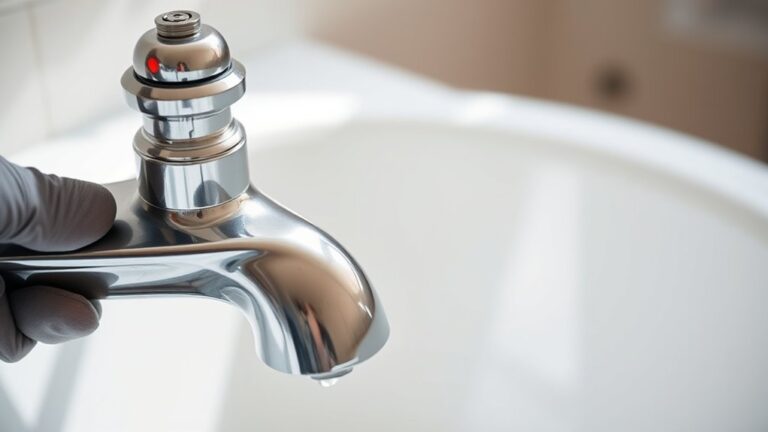
Once you’ve identified the source of the leak in your tub faucet, gathering the right tools and materials becomes the next step to guarantee an efficient repair. First, determine your faucet type: compression, cartridge, ball, or ceramic disk to select compatible replacement parts.
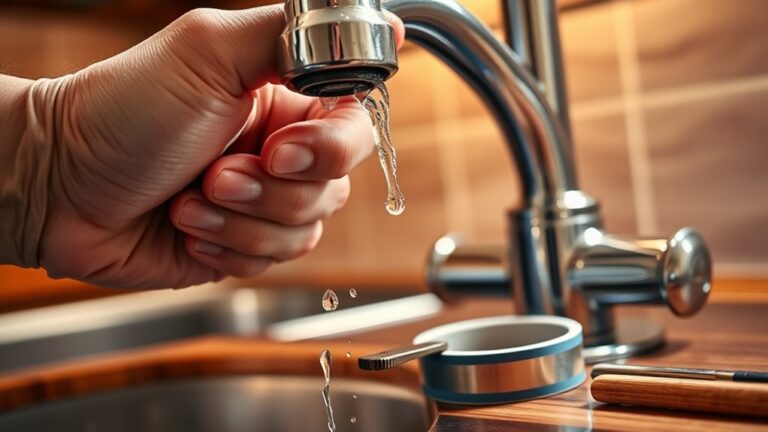
Essential tools include an adjustable wrench, screwdriver set, and plumber’s grease for lubricating seals. You’ll also need replacement washers, O-rings, or cartridges depending on the faucet’s design.
A flashlight aids visibility in tight spaces, while plumber’s tape secures watertight seals on threaded connections. Keep a bucket and towels handy to catch residual water.
Following these maintenance tips not only streamlines repair but extends faucet lifespan. Having these precise tools and materials ready prevents delays and assures you address the leak effectively without unnecessary damage or repeated work.
Fix Your Dripping Tub Faucet in 5 Easy Steps
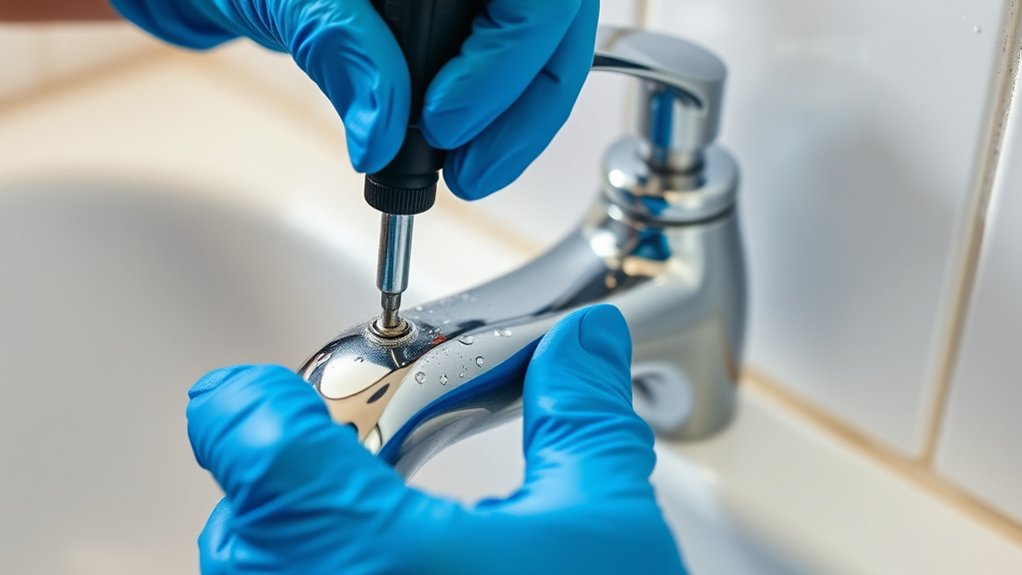
Start by turning off the water supply to your tub to prevent further leakage during repair. Next, remove the faucet handle using a screwdriver or Allen wrench, exposing the internal components.
Carefully inspect the valve stem and surrounding seals for wear or damage, vital for effective faucet maintenance. Then, clean any mineral buildup inside the faucet housing with a vinegar solution to guarantee smooth operation.
Reassemble the faucet, tightening all components securely to avoid leaks. Finally, turn the water supply back on and test the faucet for drips.
Addressing leaks promptly supports water conservation by preventing waste. Following these five steps will restore your tub faucet’s function efficiently and extend its lifespan without the complexity of part replacements.
How To Replace a Washer or Cartridge in Your Tub Faucet
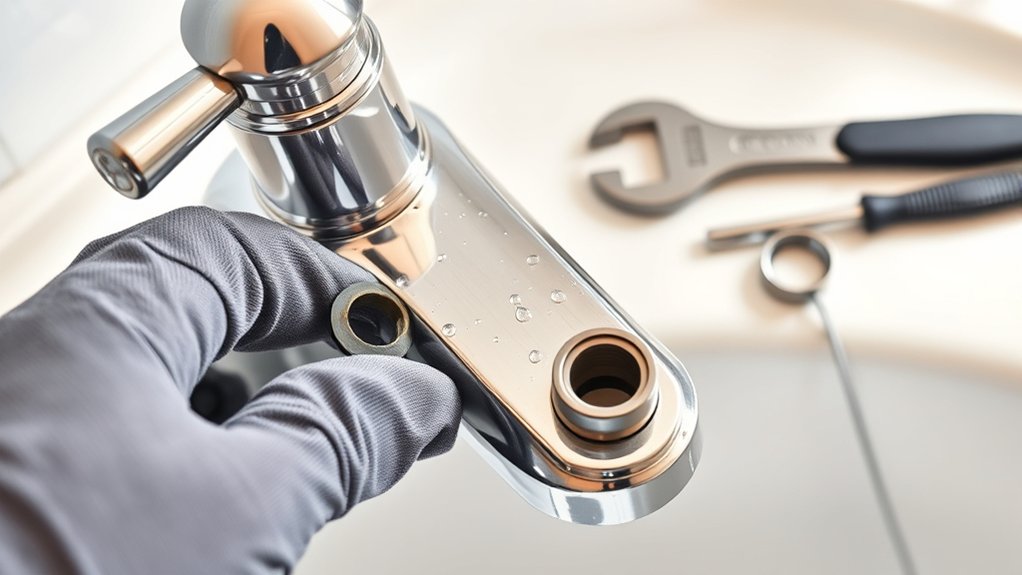
Replacing a washer or cartridge in your tub faucet requires careful disassembly and identification of the correct replacement part. First, turn off the water supply to avoid spills. Next, remove the faucet handle using a screwdriver or Allen wrench.
Inspect the exposed mechanism to determine if your faucet uses washer types such as flat, beveled, or rubber washers, or cartridge options like ceramic disc or ball cartridges. Then, follow these steps:
Extract the old washer or cartridge carefully.
Clean the valve seat and surrounding area.
Match the replacement washer or cartridge exactly.
Install the new part securely to prevent leaks.
Reassemble the faucet and restore water flow to test.
Precision in choosing the right washer types or cartridge options guarantees a long-lasting repair.
Tips to Prevent Future Leaks in Your Tub Faucet
Although fixing a leaky tub faucet solves the immediate problem, you can extend its lifespan by implementing preventive measures. Regular faucet maintenance, such as cleaning aerators and inspecting washers, reduces wear and tear that leads to leaks.
Avoid overtightening handles to prevent damage. Monitor water pressure and address fluctuations promptly to minimize stress on components.
| Action | Benefit | Emotion Evoked |
|---|---|---|
| Regular Maintenance | Prevents wear | Confidence |
| Gentle Handle Use | Protects seals | Control |
| Monitor Water Pressure | Reduces stress | Assurance |
| Timely Repairs | Avoids major leaks | Relief |
When To Call a Plumber for Tub Faucet Repairs
Maintaining your tub faucet and addressing minor issues promptly can prevent many leaks, but some problems require professional expertise. You should call a plumber when faucet maintenance goes beyond simple repairs or if you encounter plumbing emergencies.
Timely tub faucet care prevents leaks, but complex issues and emergencies call for professional plumbing expertise.
Here are key situations to watch for:
- Persistent leaks despite replacing washers or seals
- Corroded or damaged valve seats affecting water flow
- Broken or cracked faucet components that impair function
- Sudden, severe leaks or flooding indicating a plumbing emergency
- Difficulty shutting off water supply to the faucet
In these cases, a licensed plumber can accurately diagnose underlying issues and apply durable solutions. Attempting complex repairs without proper tools or knowledge risks worsening the problem and causing water damage.
Don’t hesitate to seek professional help to guarantee safe and reliable tub faucet operation.
Frequently Asked Questions
What Type of Tub Faucet Is Best for My Bathroom?
Though you won’t find faucet styles in a medieval manuscript, choosing one depends on your bathroom’s design and water pressure. Prioritize ease of installation. Look for clear instructions and durable materials to guarantee a smooth setup.
Can Hard Water Cause Tub Faucet Leaks?
Yes, hard water reduces your faucet durability by causing mineral buildup inside. This buildup wears seals and valves, increasing leak risks.
Regular cleaning and water softeners are essential for leak prevention and maintaining your faucet’s performance.
How Long Does a Typical Tub Faucet Repair Take?
You’ll typically finish a tub faucet repair within 30 to 60 minutes using faucet repair tools. Identifying common leak causes like worn washers or cartridges speeds the process, letting you fix issues efficiently and effectively.
Are There Eco-Friendly Faucet Repair Options?
Yes, you can use sustainable materials like recycled metals and biodegradable seals. Incorporate water-saving technologies such as low-flow aerators or pressure-compensating valves to reduce water waste efficiently while ensuring your faucet repair remains eco-friendly and practical.
What Are Common Signs of Faucet Wear and Tear?
Isn’t it frustrating when faucet handle issues pop up? You’ll notice drips, stiffness, or unusual noises, clear signs you need cartridge replacement.
These symptoms indicate wear and tear, so act promptly to avoid further damage or water waste.