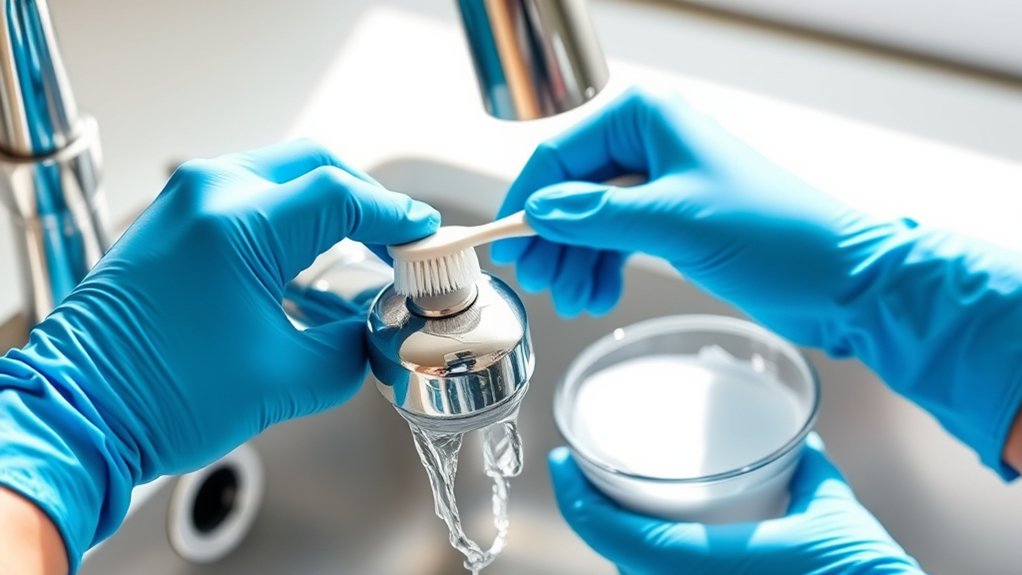
How to Clean Faucet Head
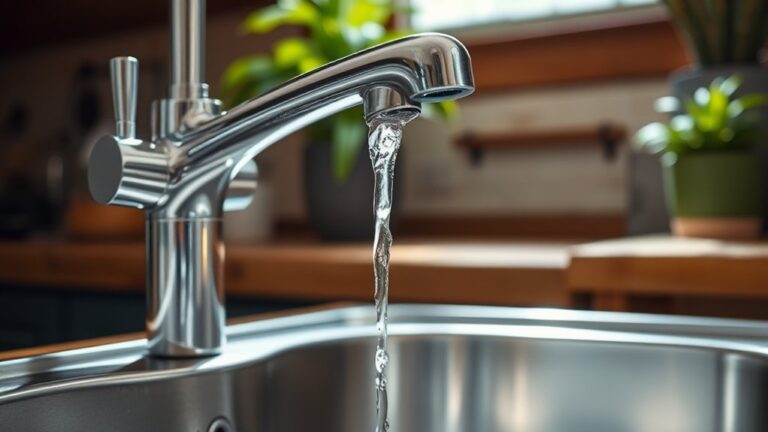
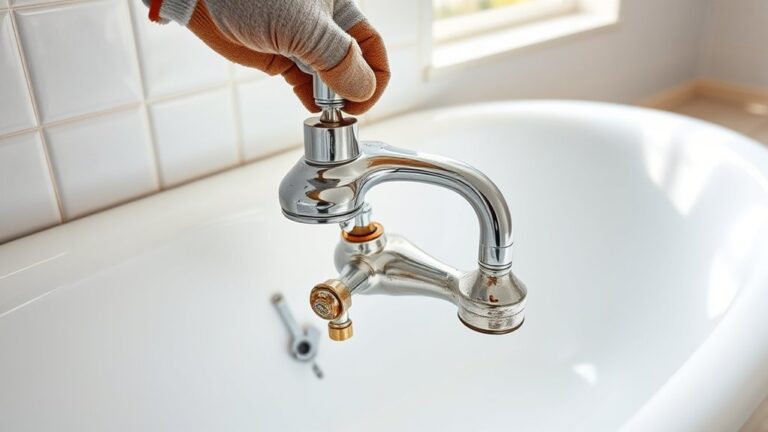
To clean your faucet head, first turn off the water and carefully remove the head.
Soaking it in a vinegar solution for about 30 minutes helps break down mineral deposits.
Next, use a soft brush to gently scrub the aerator screen and internal parts.
Rinse thoroughly with water afterward.
Repeat the process if buildup persists.
Regular cleaning prevents clogs and maintains water pressure, ensuring peak performance.
Keep going to explore detailed steps and tips to make the process even easier.
Tools and Supplies Needed for Cleaning Your Faucet Head
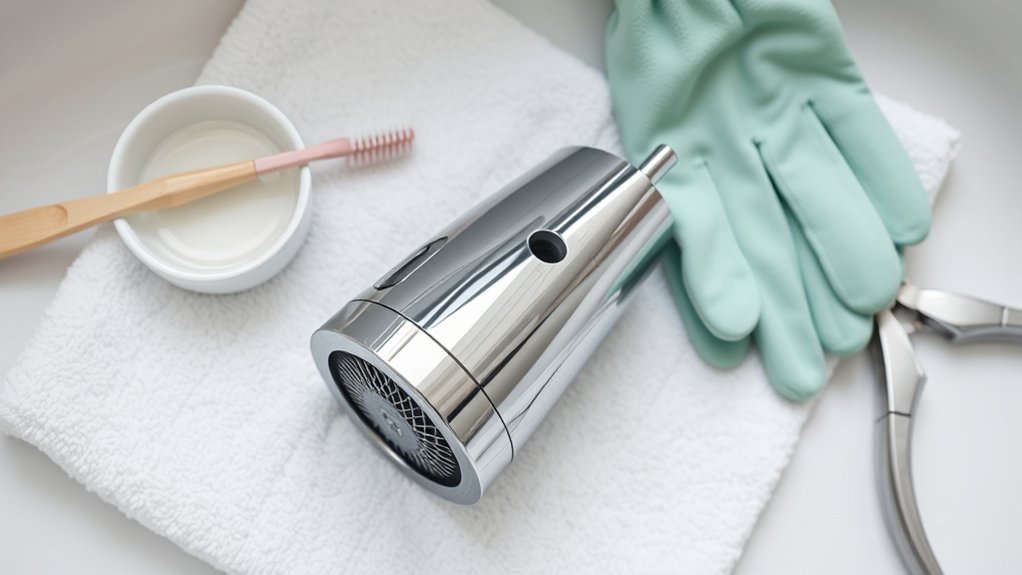
To effectively clean your faucet head, you’ll need a few essential tools and supplies. Gather a soft brush, a microfiber cloth, white vinegar or a commercial descaling agent, a plastic bag, and rubber bands.
Depending on your faucet types, whether pull-down, single-handle, or wall-mounted, the cleaning methods may vary slightly, but these supplies cover the basics. Avoid abrasive materials to prevent damage.
Cleaning methods vary by faucet type, but basic supplies and avoiding abrasives ensure safe, effective maintenance.
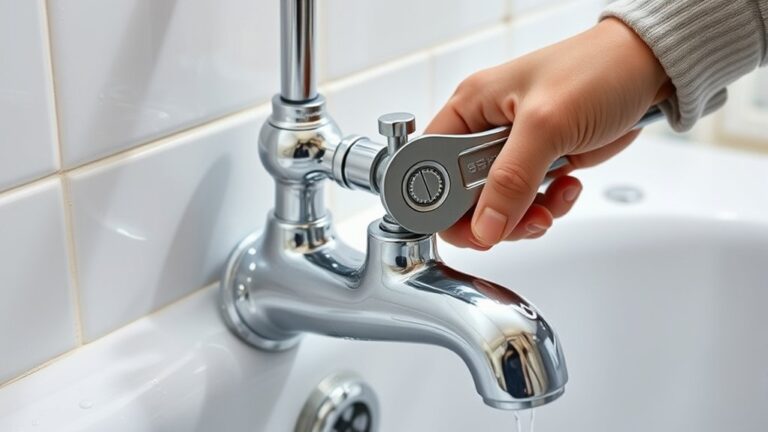
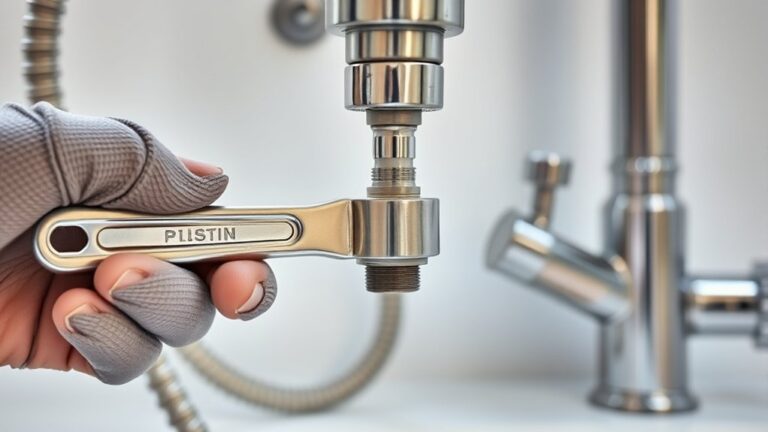
You might also need an adjustable wrench for removing the faucet head if necessary. For tougher mineral deposits, a mild detergent can aid the process.
Having these tools ready guarantees you can apply the appropriate cleaning methods efficiently, maintaining your faucet’s functionality and appearance without causing wear or leaks. Being prepared simplifies the task and guarantees effective results.
Step-by-Step Cleaning Your Faucet Head
Start by turning off the water supply to your faucet to prevent any accidental sprays. Proper faucet maintenance includes regular cleaning to maintain peak performance and hygiene. Follow these steps for an effective cleaning process:
- Remove the faucet head carefully, noting its assembly.
- Soak the parts in a mild detergent solution for 10–15 minutes.
- Use a soft brush to clean the aerator screen and internal components.
- Rinse all parts thoroughly with clean water.
- Reassemble and securely reattach the faucet head.
Adhere to a consistent cleaning frequency, ideally once every 3 months, to prevent buildup and guarantee longevity. Regular cleaning not only maintains water flow but also reduces wear on the faucet components, making it a critical aspect of faucet maintenance.
Removing Mineral Deposits and Buildup
Although regular cleaning helps, mineral deposits and buildup can still accumulate over time, affecting your faucet’s performance. To remove mineral buildup effectively, soak the faucet head in a vinegar-based cleaning solution for 30 minutes.
Vinegar’s acidic properties dissolve calcium and lime deposits without damaging the fixture. If soaking isn’t possible, apply the cleaning solution directly with a cloth or soft brush, focusing on clogged aerator holes.
After soaking or scrubbing, rinse thoroughly with water to remove loosened debris. For stubborn buildup, repeat the process or use a commercial descaling product designed for faucets.
Regularly removing mineral deposits prevents water flow restriction and extends your faucet’s lifespan. Always follow safety instructions on cleaning solutions to avoid surface damage or personal injury.
How to Tell When Your Faucet Head Needs Cleaning
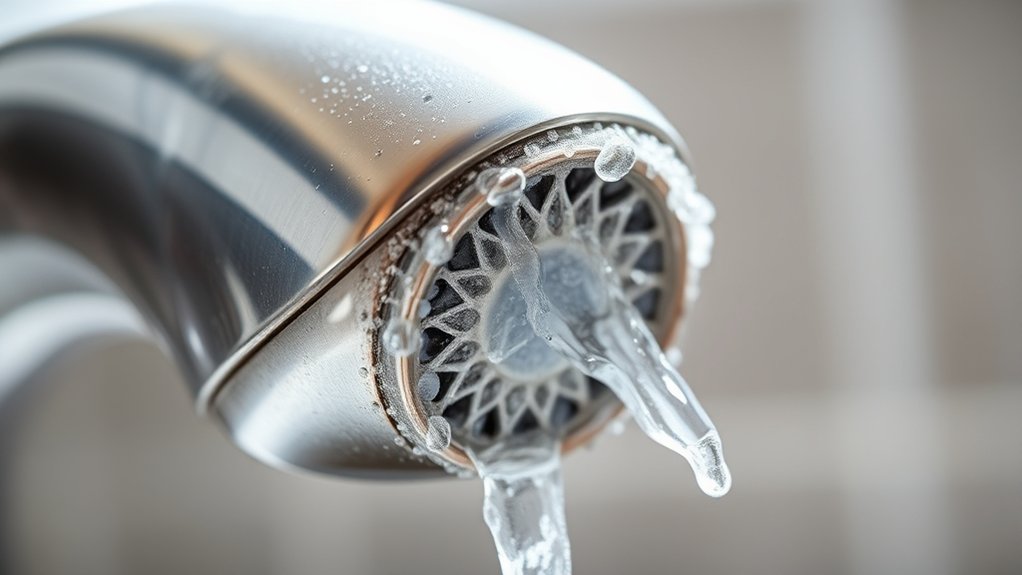
How can you tell when your faucet head needs cleaning? Regular faucet maintenance guarantees peak water flow and prevents damage caused by mineral buildup. Poor water quality often accelerates clogging, so stay alert for these signs:
- Reduced water pressure or uneven spray patterns
- Visible mineral deposits or discoloration on the faucet head
- Water flow that sputters or contains air bubbles
- Unusual noises during operation, indicating blockage
- Increased time needed for water to reach desired flow
When you notice any of these symptoms, it’s time to clean the faucet head. Ignoring these signs can lead to further clogging, affecting both water efficiency and fixture longevity. Monitoring these indicators helps you maintain a clean faucet head and guarantees consistent water quality.
Tips to Prevent Faucet Head Clogs and Keep It Clean
Recognizing the signs of a clogged faucet head helps you address issues early, but preventing buildup is even more effective. To maintain ideal water flow, establish a regular cleaning frequency based on your water quality. Hard water requires more frequent attention.
Incorporate routine faucet maintenance by wiping the faucet head with a soft cloth weekly to prevent mineral deposits. Installing a water softener or filter can reduce scale formation, extending the intervals between cleanings.
Avoid using abrasive tools or harsh chemicals that can damage the faucet head’s surface. Additionally, flush the faucet by running hot water for a few minutes monthly to dislodge sediment.
Following these steps guarantees consistent water pressure and prolongs your faucet’s lifespan without frequent deep cleaning.
Fixing Common Faucet Head Cleaning Issues
You’ll often face mineral deposits and clogged aerators that reduce water flow and affect performance. Start by removing buildup with vinegar or a descaling solution, then clear any blockages in the aerator screen.
Finally, apply preventive measures to minimize future deposits and keep your faucet working efficiently.
Removing Mineral Deposits
Although mineral deposits can severely restrict water flow and damage your faucet head, removing them is straightforward with the right approach. You’ll want to rely on proven mineral removal techniques to restore function efficiently.
Vinegar solutions are particularly effective, breaking down calcium and lime buildup without harsh chemicals.
To remove mineral deposits:
- Soak the faucet head in a vinegar solution for 30-60 minutes.
- Use a soft brush to scrub away loosened deposits.
- Rinse thoroughly with water to clear residual vinegar.
- Repeat soaking if deposits persist.
- Consider using a descaling agent for stubborn buildup.
Clearing Clogged Aerators
After loosening mineral deposits, the next step targets clogged aerators, which often cause reduced water flow and uneven spray patterns. You’ll need to unscrew the aerator, disassemble it, and soak the parts in vinegar to dissolve buildup.
Use a small brush to remove debris before reassembling. Regular aerator maintenance guarantees peak performance and prolongs faucet lifespan. Consider the cleaning frequency below to keep your faucet functioning smoothly.
| Cleaning Frequency | Signs of Clogging | Recommended Action |
|---|---|---|
| Monthly | Slight flow reduction | Vinegar soak + brush |
| Quarterly | Noticeable spray issues | Full disassembly |
| Biannually | Water pressure drops | Replace aerator |
| Annually | Persistent clogging | Professional check |
| As needed | Visible debris | Immediate cleaning |
Preventing Future Build-Up
To prevent future build-up, establish a routine maintenance schedule that targets mineral deposits before they harden. Regularly inspecting and cleaning your faucet head guarantees ideal water flow and prolongs its lifespan.
Pay attention to your water quality since hard water accelerates mineral accumulation.
Incorporate these steps into your maintenance schedule:
- Use a water softener or filter to improve water quality.
- Remove and soak the aerator monthly in vinegar or a descaling solution.
- Wipe down faucet heads weekly to prevent surface deposits.
- Flush faucets with hot water periodically to dislodge particles.
- Check and replace damaged washers or seals to avoid leaks that promote build-up.
Frequently Asked Questions
Can I Use Vinegar to Clean Other Bathroom Fixtures?
Of course, you can use vinegar for bathroom cleaning. It’s packed with benefits like dissolving mineral deposits and killing bacteria.
Seriously, you should apply it to fixtures like showerheads, tiles, and drains for effective cleaning.
How Often Should I Replace My Faucet Head?
You should replace your faucet head every 1-3 years or when you notice faucet replacement signs like reduced water flow or leaks.
Regular faucet maintenance tips include inspecting and cleaning to extend its lifespan effectively.
Does Cleaning the Faucet Head Improve Water Pressure?
Sparkling, smooth water flow starts when you scrub away stubborn mineral buildup. Cleaning your faucet head clears clogged channels, instantly improving water pressure.
You’ll notice stronger streams and better efficiency with simple, regular maintenance.
Are There Eco-Friendly Cleaning Products for Faucets?
Yes, you can use eco-friendly cleaning products like natural alternatives such as vinegar and baking soda. DIY solutions effectively remove buildup without harsh chemicals, protecting your faucet and the environment while maintaining ideal water flow and hygiene.
Can Faucet Head Cleaning Prevent Bacterial Growth?
You prevent bacterial colonies, you improve faucet maintenance, and you extend faucet lifespan by cleaning the faucet head regularly. This practice disrupts biofilm buildup, reduces contamination risks, and guarantees consistent water flow and hygiene at your sink.