How to Cook Dolphin Fish in the Oven in 8 Easy Steps
To cook dolphin fish in the oven, start by gathering your fish fillets and seasoning them with olive oil, salt, pepper, and lemon juice. This simple preparation highlights the mild, sweet flavor of dolphin fish.
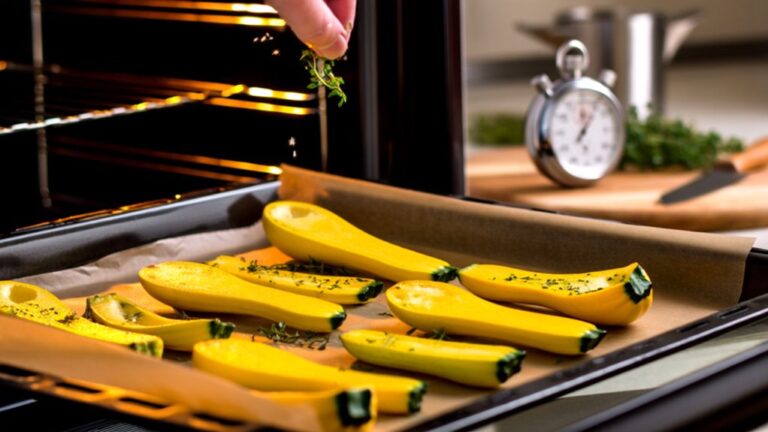
Preheat your oven to 350°F and prep a baking sheet with parchment paper or foil.
Thaw and pat the fish dry, then drizzle with a buttery herb sauce for extra richness. Arrange the fish on the baking sheet, adding optional vegetables if desired.
Bake for 10-15 minutes until the fish is flaky and opaque.
Following these easy steps ensures a delicious oven-cooked dolphin fish meal. You can enhance your dish further with added tips and tricks as you perfect your cooking technique.
Enjoy a healthy and flavorful seafood dinner every time.
Key Takeaways
- Preheat the oven to 350°F and prepare a rimmed baking sheet lined with parchment paper and lightly oiled.
- Thaw mahi-mahi if frozen, pat it dry, and season evenly with olive oil, salt, pepper, garlic, and lemon juice.
- Melt butter and mix with fresh parsley, minced garlic, and lemon juice to create a flavorful butter herb sauce.
- Place fillets on the baking sheet, drizzle with sauce, optionally add seasoned vegetables, and bake for 10-20 minutes.
- Check doneness by ensuring the fish flakes easily, is opaque, firm, and has an internal temperature of 145°F.
Gather Your Ingredients

To start cooking dolphin fish in the oven, you’ll need to gather a few key ingredients. First, get fresh or frozen mahi fish fillets, ideally weighing about 5-6 ounces each. You’ll want to season them with olive oil, salt, pepper, fresh garlic, and lemon for a bright, zesty flavor.
If you like, add herbs like thyme or parsley to enhance the taste. Prepare your baking dish by lightly coating it with olive oil or using a non-stick spray to keep the fish from sticking during cooking. Having these ingredients ready will make the cooking process smooth and guarantee your mahi turns out perfectly tender and flavorful.
Optional toppings like crushed saltines or vegetables can be added later, but focus first on assembling these essentials.
Preheat the Oven

Once you’ve gathered and prepped your ingredients, the next step is to get your oven ready. You’ll want to preheat your oven to 350 degrees Fahrenheit to guarantee even cooking of the dolphin fish. Make sure the oven reaches this temperature before placing your fish inside to avoid undercooking or uneven cooking.
Using an oven thermometer can help verify the actual temperature since some ovens might not display it accurately. Preheating usually takes about 10-15 minutes, so plan accordingly. After preheating, place your fillets on a baking dish.
Keep in mind that the cooking time will depend on the thickness of the fillets, typically around 10-15 minutes, to achieve perfectly cooked mahi mahi every time.
Prepare the Baking Sheet
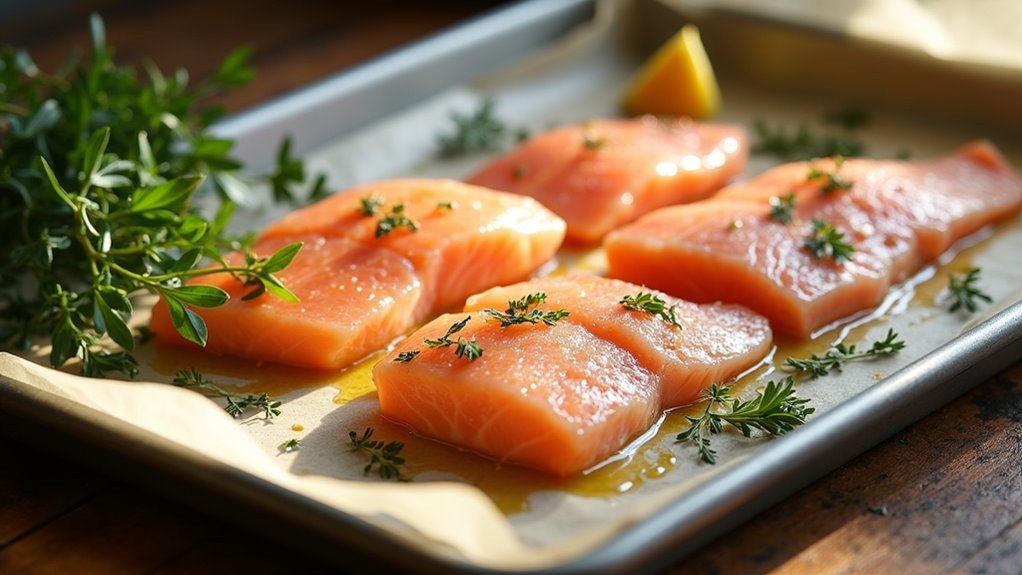
To prepare your baking sheet, choose one that’s sturdy and fits your oven well. Line it with parchment paper or foil to keep the fish from sticking and make cleanup easier.
Then, lightly coat the surface with non-stick spray or olive oil to guarantee your dolphin fish cooks perfectly without sticking.
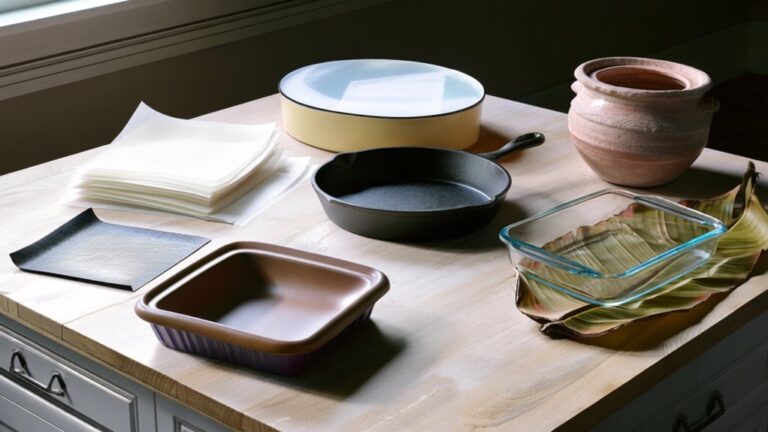
Choosing the Right Pan
Although choosing the right pan might seem simple, it plays an essential role in how evenly your mahi mahi cooks. To get the best results, consider these tips when selecting your baking sheet:
- Use a baking sheet large enough to avoid overcrowding, ensuring even cooking.
- Opt for a heavy-duty baking sheet that won’t warp under high heat.
- Choose a rimmed baking sheet to catch any juices that run off.
- Preheat your oven to 400 degrees while preparing the pan for consistent cooking.
- Avoid sticking by lining the sheet with parchment paper (we’ll cover lining next).
Lining the Baking Sheet
One simple but essential step before baking your dolphin fish is lining the baking sheet properly. Start by choosing a baking sheet large enough to hold your fish fillets without crowding. Then, line the baking sheet with aluminum foil or parchment paper.
Using aluminum foil is a great option because it helps with easy cleanup and prevents the fish from sticking. To further reduce sticking, you can lightly grease the foil with cooking spray or a bit of oil. Make certain the foil lies flat and smooth on the baking sheet to guarantee even baking.
Once lined, place the baking sheet on a flat surface so you can easily transfer your fish in and out of the oven. This simple preparation sets the stage for perfectly baked dolphin fish.
Preventing Food Sticking
Lining your baking sheet properly sets you up to prevent your dolphin fish from sticking during cooking. To guarantee a smooth experience with your baked mahi mahi, follow these essential tips:
- Use parchment paper for a non-stick surface and easy cleanup.
- Lightly coat the parchment paper or baking sheet with cooking spray or olive oil.
- Pat them dry thoroughly before placing the fillets to reduce excess moisture.
- Avoid overcrowding the baking sheet to promote even cooking and prevent sticking.
- Consider using aluminum foil packets to lock in moisture and avoid direct contact with the pan.
Thaw and Pat Dry the Fish
To cook mahi mahi evenly, you’ll want to thaw it properly by placing it in a sealed bag and submerging it in cool water for about 10-15 minutes.
Once thawed, pat the fish dry with a paper towel to remove any excess moisture, which helps with better browning in the oven.
This simple prep guarantees your fish cooks perfectly and has a great texture.
Proper Thawing Methods
Two effective methods exist for thawing dolphin fish before cooking: overnight in the refrigerator or a quicker water bath technique.
For the water method, place the fish in a seal ziplock bag and submerge in cool water for 10-15 minutes. Make certain the fish is fully submerged to guarantee even thawing and reduce bacteria risk.
Once thawed fish is ready, pat dry with paper towels to remove excess moisture, which helps achieve a better sear and avoids steaming during cooking. Remember to cook thawed fish within one to two days for peak freshness.
Key thawing methods tips include:
- Use a sealed ziplock bag
- Submerge in cool water fully
- Thaw overnight in the refrigerator for safety
- Pat dry before cooking
- Cook within 1-2 days after thawing
Removing Excess Moisture
Once you’ve thawed your dolphin fish using the recommended methods, the next step is to remove any excess moisture. To do this, gently pat dry the fillets with a paper towel, being careful not to break the delicate flesh. Removing moisture is essential because leftover water can cause the fish to steam instead of bake, preventing the development of a flaky texture.
Ensuring the fish is completely dry before seasoning helps the flavors stick better and avoids sogginess during baking. Taking this simple step improves both the taste and appearance of your dolphin fish, setting you up for perfectly cooked, flavorful results. So, don’t skip patting the fish dry—it makes all the difference in achieving that ideal flaky texture when baking.
Preparing Fish for Cooking
Properly preparing your dolphin fish before cooking starts with thawing and drying it thoroughly. For the best mahi mahi recipe, follow these essential steps to handle fresh fish:
- Thaw the fish in a sealed bag submerged in cool water for 10-15 minutes to thaw evenly.
- Pat the fish dry using paper towels to remove excess moisture.
- Check carefully for any small bones and remove them with tweezers.
- Let the fish sit at room temperature for 10-15 minutes to guarantee even cooking.
- Dry fish absorbs seasonings better, enhancing flavor when baked or grilled.
Make the Butter Herb Sauce
While your dolphin fish is prepping to bake, you can whip up a simple butter herb sauce by melting 4 tablespoons of butter and mixing in fresh parsley and minced garlic for a burst of flavor. Start by melting the butter either in the microwave or on the stovetop until fully liquefied. Then, add 1 tablespoon of fresh chopped parsley and 1 teaspoon of minced garlic to the melted butter.
Mix thoroughly to evenly distribute these ingredients. To elevate the taste, squeeze in the juice of half a lemon and stir once more. This butter herb sauce will add richness and a tangy zest, making your mahi mahi a truly delicious meal.
Keep this sauce ready to drizzle over the fish before baking.
Season and Arrange the Fish
Before you season your mahi-mahi fillets, pat them dry with a paper towel to remove any excess moisture; this helps the seasoning stick better and prevents the fish from steaming in the oven. Next, here’s what you should do:
- Drizzle each fillet with olive oil to add flavor and keep them from sticking.
- Season with salt and pepper generously for a balanced taste.
- Arrange the fillets in a single layer on a parchment-lined baking sheet for even cooking.
- Top with lemon slices to brighten the flavors.
- Optionally, spoon garlic butter over the fish for richness and aroma.
Following these steps guarantees your mahi-mahi is perfectly seasoned and ready for the oven, delivering a delicious, flavorful result every time.
Add Vegetables for a Complete Meal
To make your mahi-mahi dinner more satisfying, add colorful vegetables like asparagus, grape tomatoes, and bell peppers to the baking sheet. Toss these fresh vegetables in olive oil, salt, and pepper to guarantee even seasoning and roasting. Baking them alongside the dolphin fish allows the veggies to soak up its flavors, creating a complete meal with balanced textures—tender and crunchy.
This method saves time since both cook at 400°F for about 10-15 minutes.
| Vegetable | Preparation | Cooking Time (mins) |
|---|---|---|
| Asparagus | Trimmed, whole | 10-15 |
| Grape Tomatoes | Whole | 10-15 |
| Bell Peppers | Sliced | 10-15 |
Adding these fresh vegetables elevates your meal’s nutrition and taste perfectly.
Bake and Check for Doneness
Once your oven reaches 350°F (175°C), you’ll want to place the mahi-mahi fillets in a baking dish and cover them with your chosen sauce or seasoning to enhance their flavor. Make certain to season with salt and pepper before you bake.
Bake the fillets for about 20 minutes, but keep an eye on them since thickness affects cooking time. To check if the fish is cooked, look for these signs:
- Flakes easily with a fork
- Opaque and firm texture
- Internal temperature reaches 145°F (63°C)
- Juices run clear
- Edges slightly browned
Use a food thermometer to check the internal temperature in degrees F to guarantee safety and perfect doneness every time.
Frequently Asked Questions
What Temperature Should Mahi Mahi Be Cooked at in the Oven?
You should cook mahi mahi in the oven at 400°F (205°C) for the best results. Make certain the internal temperature reaches 145°F (63°C) to guarantee it’s safe to eat.
Depending on the thickness of your fillets, it usually takes about 10 to 15 minutes. Keep an eye on it so it doesn’t overcook and dry out. When it flakes easily with a fork, you’ll know it’s done perfectly.
What’s the Best Way to Cook Fish in an Oven?
Oh, the best way to cook fish in the oven? Just toss it in and hope for the best! But seriously, you should preheat your oven to around 400°F, season the fish with simple flavors like olive oil, salt, and pepper, and bake it for 10-15 minutes.
Check it reaches 145°F inside, then let it rest to keep it juicy and tender. Easy, right?
How Long Should Fish Cook in the Oven at 350 Degrees?
You should cook fish in the oven at 350 degrees Fahrenheit for about 20 minutes, but this can vary based on the thickness of your fillets. Keep an eye on it and test for doneness by checking if it flakes easily with a fork.
To be safe, the internal temperature should reach 145 degrees. If your fillets are thicker, give them a few extra minutes, but start checking early to avoid overcooking.
What Are Some Common Mistakes When Baking Mahi Mahi?
Some common mistakes you’ll want to avoid when baking mahi mahi include overcooking it, which dries out the fish, and not patting the fillets dry before seasoning, causing sogginess. You might also forget to adjust cooking time based on thickness or skip using a meat thermometer, leading to under- or overcooked fish.
Finally, not seasoning enough can make your mahi mahi taste bland, so don’t forget simple salt, pepper, and a squeeze of citrus.
Conclusion
Now that you’ve navigated the nuances of nourishing your dolphin fish, you’re set to savor a succulent, savory supper. With simple steps, subtle seasoning, and sizzling sauce, you’ll bring brilliance to your baking.
Remember, roasting right rewards you with a radiant, revitalizing meal. So, seize the season, stir up some spirit, and serve your splendid seafood with satisfaction.
Cooking dolphin fish in the oven has never been so straightforward or so satisfying! Master these easy steps to enjoy perfectly cooked dolphin fish every time. Embrace the flavors and delight in your homemade oven-baked dolphin fish.