How Does a Grill Pan Work?
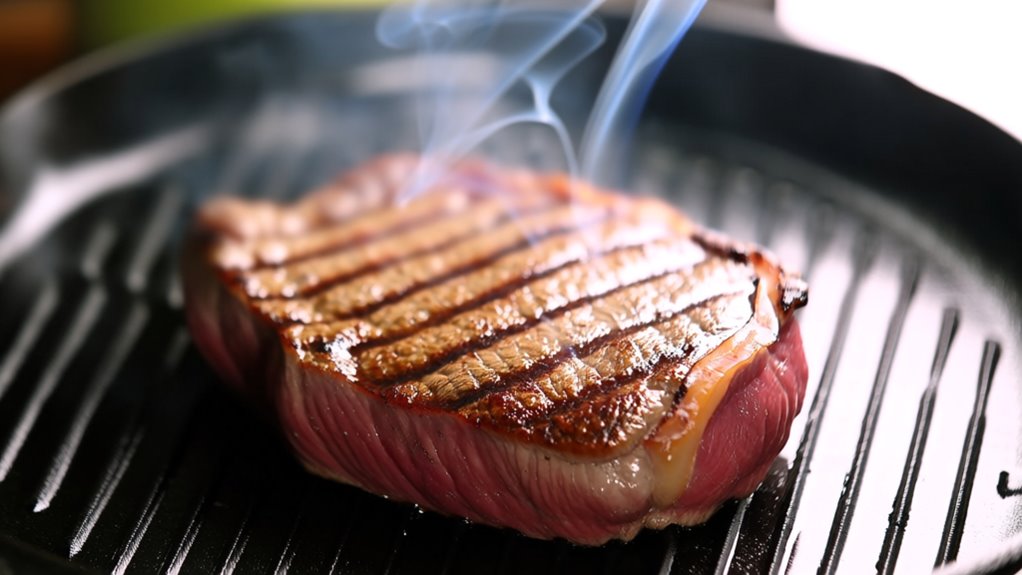
A grill pan works by using raised ridges to mimic outdoor grill grates, creating those classic sear marks while letting fat drip away for healthier cooking. This method allows you to enjoy grilled flavors indoors without a traditional grill.
Made often from heat-retentive materials like cast iron, it evenly distributes heat to cook your food thoroughly without burning.
Preheating the pan and timing your cooking properly help you get that perfect grill flavor indoors. The raised ridges not only create grill marks but also allow excess fat to drain, resulting in healthier meals.
Understanding how a grill pan works can help you maximize its benefits and avoid common issues like smoke.
If you want to know how to maximize its benefits and avoid smoke, keep exploring. Proper use of a grill pan can elevate your indoor cooking experience, giving you delicious, grilled results any time of year.
Key Takeaways
- Raised ridges on grill pans create grill marks and allow excess fat to drain away from food during cooking. Heavy materials like cast iron retain and distribute heat evenly for consistent searing and browning. Preheating the pan ensures high temperatures to quickly sear food and develop distinct grill marks.
- Ridges elevate food, promoting hot air circulation and preventing it from sitting in juices, enhancing flavor and texture. Grill pans enable indoor grilling with less smoke and fat compared to outdoor grills, offering convenience and versatility.
The Design and Structure of a Grill Pan
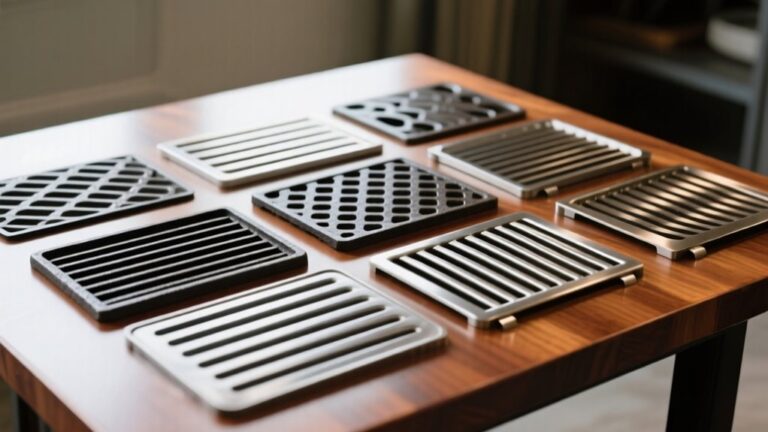
A grill pan’s key feature is its raised ridges, usually about 1-2 centimeters high, which create those classic grill marks while letting fat drain away from your food. These raised ridges keep your food elevated, preventing it from sitting in excess fat and ensuring a seared, flavorful finish. When you use grill pans, you’ll notice how these ridges allow juices and fats to drip down, mimicking outdoor grilling’s effect.
Most grill pans are crafted from heavy materials like cast iron, which not only supports the ridged design but also offers durability and excellent heat retention. Many are versatile enough to work on all cooktops, including induction, so you can easily use them regardless of your stove type. Some even feature reversible surfaces, letting you switch between grilling and griddling, expanding your cooking options without needing extra pans.
This thoughtful design makes grill pans a practical choice for indoor grilling.
Heat Distribution and Retention in Grill Pans
When you cook with a grill pan, even heat distribution is key to getting consistent results. Cast iron, a common material for grill pans, holds and spreads heat so your food cooks evenly.
This heat retention also helps maintain temperature when you add ingredients, giving you those perfect grill marks every time.
Even Heat Distribution
Because grill pans are usually made from heavy materials like cast iron, you’ll notice they retain and distribute heat evenly across the surface. This even heat distribution guarantees your food cooks consistently with minimal hot spots. The raised ridges promote airflow and prevent food from boiling in excess fat, enhancing heat retention and cooking quality.
When preheated well, the pan quickly reaches high temperatures, allowing for perfect browning and grill marks.
| Feature | Benefit |
|---|---|
| Heavy material | Superior heat retention |
| Raised ridges | Even airflow, less boiling |
| Thick base | Minimizes hot spots |
| Preheating | Quick high heat |
| Seasoning | Improved heat retention over time |
Cast Iron Retention
The even heat distribution from the heavy materials used in grill pans sets the stage for the standout performance of cast iron. Cast iron not only heats evenly but also retains that heat exceptionally well, allowing you to cook with consistent temperatures throughout. This means your food gets perfectly seared with those classic grill marks every time.
When you use a cast iron grill pan, you’ll notice:
- Superior heat retention keeps cooking temperatures steady
- High heat capability for effective searing and browning
- Seasoning improves heat retention and creates a non-stick surface
Because cast iron holds heat so effectively, it reduces temperature fluctuations, enhancing flavor development and ensuring your grilled dishes come out just right.
The Role of Raised Ridges in Cooking
Although you might not notice at first, the raised ridges on a grill pan play an essential role in how your food cooks. These raised ridges create focused contact points that sear the surface, enhancing flavor through the Maillard reaction and setting the stage for those appealing grill marks. They also allow excess fat to drain away from your food, preventing it from boiling in its own juices and helping you cook healthier meals.
The elevated design lets hot air circulate evenly around the food, ensuring a consistent cooking temperature across the surface. Plus, the gaps between the ridges reduce the contact area, producing charred bits that add texture and that classic grilled taste. If your grill pan has deep ridges, it can even help retain juices inside your food, keeping it moist while delivering the distinct benefits of grilling indoors.
Understanding these functions helps you appreciate how raised ridges truly elevate your cooking.
How Grill Pans Create Grill Marks
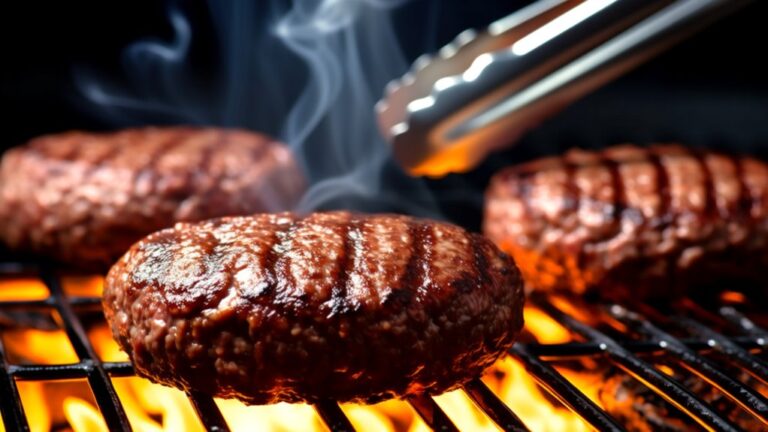
When you cook on a grill pan, the raised ridges press directly against your food, creating those signature grill marks. These ridges conduct heat efficiently, searing the meat where they make contact while leaving the spaces between less browned.
Raised Ridges Functionality
Raised ridges on a grill pan give your food those classic grill marks by making direct contact with the hot metal, just like an outdoor grill. These raised ridges concentrate heat, creating seared lines that enhance flavor and appearance through the Maillard reaction. They also elevate your food, helping fat drain away and preventing it from boiling, which improves texture.
Here’s what the raised ridges do for you:
- Provide direct contact points for distinct grill marks
- Elevate food to allow fat drainage and reduce steaming
- Promote airflow for even cooking and browning
Heat Conduction Process
Since a grill pan relies on direct contact between its hot ridges and your food, heat conduction is key to creating those signature grill marks. The raised ridges heat up and transfer energy directly to the meat where they touch, searing those lines into the surface through efficient heat conduction. This intense contact quickly caramelizes the food, locking in flavor and giving you that appealing pattern.
Meanwhile, the grooves between ridges allow fat to drain away, preventing steaming and promoting a drier cooking environment that enhances browning. To get the best results, you’ll want to preheat your grill pan thoroughly so the raised ridges reach a high temperature, enabling immediate searing and perfect grill marks without overcooking or burning your food.
Meat Contact Patterns
Because the grill pan’s ridges make direct contact with your meat, they create those distinct, flavorful grill marks you’re after. These raised ridges elevate the meat, allowing fat to drain and preventing it from boiling in its own juices. This setup promotes better browning and charring, thanks to the Maillard reaction when searing on a preheated surface.
To get the best grill marks:
- Leave the meat undisturbed on the raised ridges for a few minutes before rotating 90 degrees for a cross-hatched look.
- Use a grill pan with deeper ridges for more pronounced grill marks.
- Maintain a proper cooking temperature to guarantee effective heat transfer through the raised ridges.
This pattern not only looks great but also adds rich, smoky flavor to your grilled dishes.
Fat Drainage and Health Benefits
When you use a grill pan, the ridges let excess fat drain away from your food, making your meals healthier by cutting down on calories. This fat drainage means less grease stays in your meats and veggies, so you end up consuming less fat overall compared to traditional frying methods.
Plus, because grill pans require little to no added oils, you can prepare lean proteins and fresh produce with minimal extra fats.
Beyond fat reduction, grill pans help retain more nutrients in your vegetables thanks to their quick cooking times. The raised ridges also create those appealing grill marks through the Maillard reaction, boosting flavor naturally without needing extra seasoning or fats.
All these factors contribute to the health benefits of using a grill pan, making it a smart choice if you want tasty meals that are lower in fat and calories while keeping nutrients intact.
Comparing Grill Pans to Outdoor Grilling
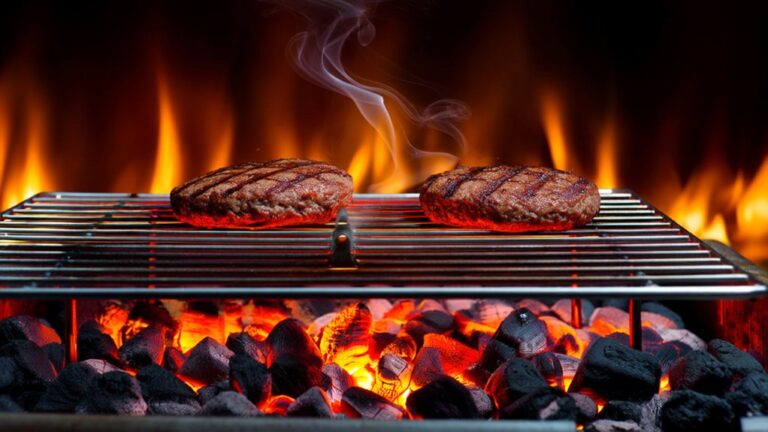
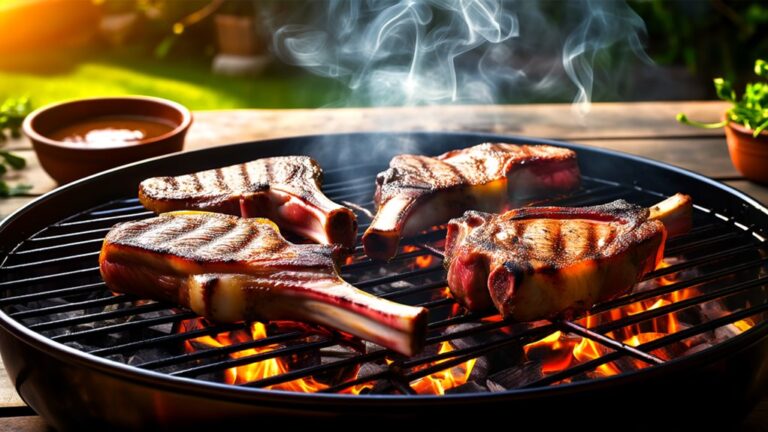
While grill pans offer health benefits by reducing fat and preserving nutrients, they differ significantly from outdoor grills in how they cook and flavor food. A stovetop grill pan relies on conduction through direct contact with its heated surface, whereas outdoor grills use both conduction and radiation, reaching higher temperatures and adding smoky depth.
When you use a grill or stovetop grill pan, keep in mind:
- Outdoor grills generate flare-ups from fat drippings, enhancing flavor through caramelization, which grill pans can’t replicate due to no open flame.
- Grill pans create attractive grill marks but lack the smoky aroma and intense heat that coal or wood-fired outdoor grills provide.
- Outdoor grilling offers more versatile cooking techniques and richer flavor profiles, while stovetop grill pans are convenient for indoor use but limited in heat and smoke production.
Understanding these differences helps you choose the best method for your cooking needs.
Materials Used in Grill Pan Construction
When choosing a grill pan, you’ll find cast iron, stainless steel, and nonstick coatings are the most common materials. Each offers different heat retention qualities—cast iron holds heat exceptionally well, while stainless steel heats up quickly but cools faster.
Understanding these differences helps you pick the right pan for your cooking style.
Common Grill Pan Materials
Since the material of a grill pan directly affects how it heats and cooks your food, choosing the right one is key. Different materials offer unique benefits, especially when it comes to creating those perfect grill marks and ensuring even cooking.
Here are three common grill pan materials you’ll encounter:
- Cast Iron: Heavy and durable, it holds heat well, giving you consistent pan marks and thorough cooking.
- Nonstick: Lightweight and easy to clean, it prevents sticking—great for delicate foods that might otherwise tear.
- Stainless Steel: Quick to heat and compatible with various cooktops, it combines durability with a sleek look.
Picking the right pan material helps you achieve the best grilling results every time.
Heat Retention Properties
Because the material of your grill pan directly impacts heat retention, choosing the right construction is essential for consistent cooking. Cast iron grill pans are a top choice for heat retention, thanks to their thickness and ability to distribute heat evenly across the surface. This makes them ideal for replicating an outdoor grill’s performance.
The enamel finish on some cast iron pans enhances heat retention while preventing rust and sticking. While nonstick pans are lighter and easier to clean, they don’t hold heat as well as cast iron, which might affect your cooking consistency. Stainless steel pans heat quickly and look sleek but generally don’t retain heat as efficiently.
When selecting a grill pan, consider how well it holds heat to guarantee your food cooks evenly every time.
Cooking Techniques for Optimal Results
To get the best results from your grill pan, you’ll want to preheat it thoroughly over high heat so your food cooks evenly and develops those classic grill marks. This step is essential, especially if your pan has non-stick coatings that require proper heating for peak performance.
Preheat your grill pan on high to ensure even cooking and perfect grill marks every time.
Once heated, place your food and let it sit without moving for a few minutes to form distinct marks. Rotate the food 90 degrees halfway through cooking to create appealing cross-hatched grill patterns.
Here are some important cooking tips for peak results:
- Use the pan’s ridges to drain fat, preventing boiling and promoting drier heat that enhances flavor.
- Adjust cooking times based on food thickness to avoid drying out or burning.
- Marinate or spice your food before grilling to boost taste.
With these techniques, you’ll master grilling indoors and enjoy perfectly cooked meals every time.
Managing Smoke and Heat Indoors
Although grilling indoors can be convenient, managing smoke and heat is essential to keep your kitchen comfortable and your food tasting great. When using a grill pan, preheat it over medium to high heat to achieve a good sear while minimizing smoke. Since cooking at high heat often produces smoke—especially with fatty meats—it’s important to ventilate your space by turning on an exhaust fan or opening windows.
Unlike outdoor grilling, indoor cooking requires more attention to airflow. Keep your grill pan well-oiled to prevent sticking and burning, which can create excess smoke. Also, avoid overcrowding the pan; cooking in smaller batches improves air circulation and reduces smoke buildup.
If smoke becomes a problem, lower the heat slightly instead of maintaining high heat, which still cooks your food well without overwhelming your kitchen with smoke. These steps help you enjoy the benefits of a grill pan indoors without the hassle of excessive smoke or heat.
Versatility and Uses of Grill Pans
Controlling smoke and heat indoors sets the stage for making the most of your grill pan’s capabilities. A frying pan with raised ridges lets you enjoy those classic grill marks and a delicious charred texture, enhancing flavor and presentation. The raised design also allows fat to drip away, promoting healthier cooking.
Grill pans aren’t just for meats; they’re incredibly versatile, letting you prepare a wide range of dishes.
Here are some popular uses:
- Grilling meats, vegetables, and sandwiches with authentic grill marks
- Using reversible pans for both grilling and griddling tasks
- Cooking breakfast items like pancakes and bacon, especially with pans that have lids to trap heat
Since grill pans work on all cooktops, including induction, they fit seamlessly into any kitchen setup. Their multifunctionality means you can rely on one tool to cover many cooking needs.
Frequently Asked Questions
How Do You Use a Grill Pan?
To use a grill pan, start by preheating it over high heat until it’s hot enough for searing. Lightly oil the pan or your food to prevent sticking. Place your food on the pan without crowding, then cook until grill marks form.
Rotate your food halfway for cross-hatch marks, then flip to cook the other side. Once done, let the pan cool before cleaning it with hot water, avoiding metal utensils.
Is a Grill Pan as Good as a Grill?
No, a grill pan isn’t quite as good as a real grill. While it gives you those nice grill marks and cooks food evenly through direct contact, it lacks the high heat, smoky flavor, and char you get from charcoal or gas grills.
Plus, you miss out on that unique smoky aroma from flare-ups. That said, it’s super convenient for indoor cooking when you can’t grill outside.
Is Using a Grill Pan Healthy?
Using a grill pan is like wielding a brush to paint vibrant, healthy meals. Yes, it’s healthy because it lets you cook without drowning your food in oils, letting fats drip away like rain down ridges. This means leaner proteins and nutrient-packed veggies.
Plus, the searing marks aren’t just pretty—they lock in flavor without added salt or butter. So, you’re choosing a tool that helps you eat clean and tasty every time.
What Is the Benefit of a Grill Pan?
The benefit of a grill pan is that it lets you enjoy grilled flavors and beautiful grill marks right in your kitchen, even without outdoor space. You’ll cook healthier meals since it helps drain excess fat from meats.
Plus, its heavy construction guarantees even heat, so your food cooks perfectly. Whether you’re grilling veggies, meats, or breakfast, a grill pan adds versatility and convenience to your cooking routine.
Conclusion
Now that you know how a grill pan works, you’re ready to transform your cooking game forever. With its clever design and raised ridges, it’s like having a backyard barbecue right on your stovetop! You’ll get perfect grill marks, healthier meals with fat drainage, and even heat distribution that’ll make every bite delicious.
So, go ahead—grab your grill pan and release flavors so good, they could make a steak sing! Using a grill pan allows you to enjoy the taste and texture of outdoor grilling indoors. Experience the convenience of stovetop grilling with a pan that delivers authentic grill marks and enhanced flavor every time.