How to Identify Conduction Convection and Radiation in Charcoal Grill Cooking of Hamburgers
When grilling hamburgers on a charcoal grill, understanding conduction, convection, and radiation is key to mastering heat techniques.
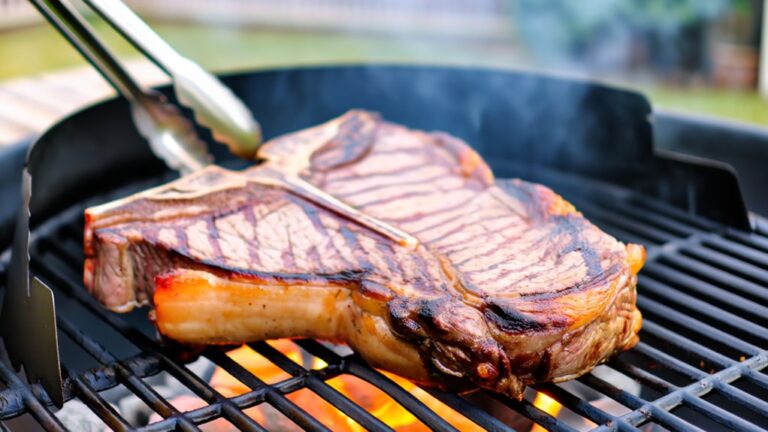
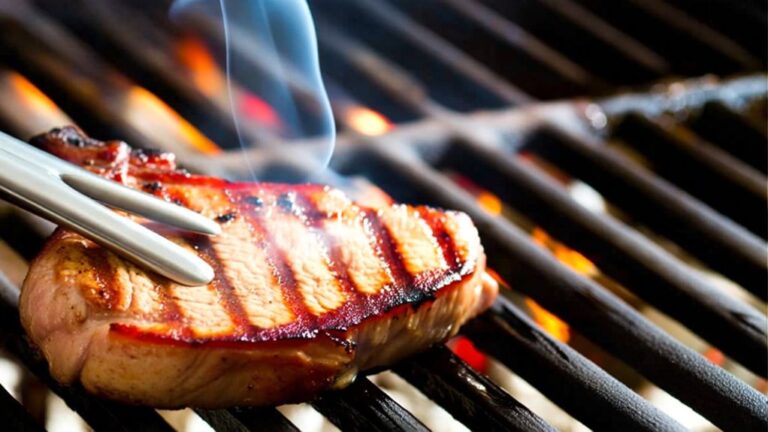
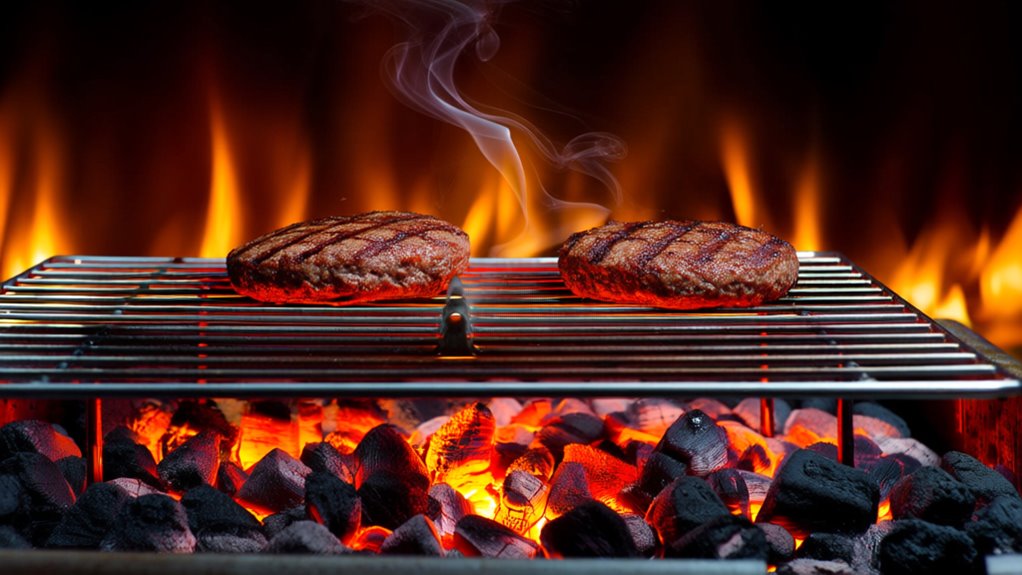
Conduction occurs through the direct contact between the patty and the hot grill grates, which sear the meat effectively. This direct heat transfer creates those classic grill marks and a flavorful crust.
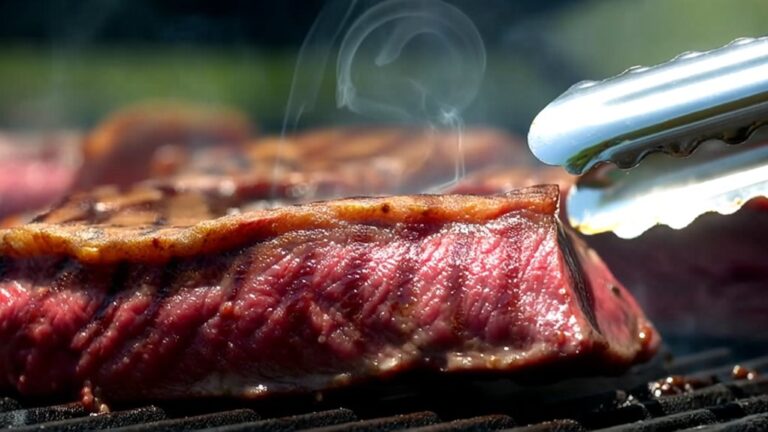
Radiation comes from the glowing charcoal, emitting infrared heat that caramelizes the burger’s surface and adds a smoky flavor without the food touching the heat source. This radiant heat penetrates the meat subtly, enhancing taste and texture.
Convection involves the hot air circulating inside the grill dome, which cooks the burger evenly from all sides.
Adjusting vents and charcoal placement helps balance these heat transfers. There’s more to uncover about mastering grilling heat techniques.
Key Takeaways
- Conduction is identified by direct contact between the burger and hot grill grates, creating sear marks and crust.
- Radiation is recognized by infrared heat from glowing coals cooking the burger surface without contact, enhancing smoky flavor.
- Convection is evident when hot air circulates around the burger inside the closed grill dome, ensuring even cooking.
- Adjusting grill vents to control airflow influences convection currents, visible through steady smoke and uniform steam from meat.
- Creating direct and indirect heat zones with charcoal arrangement helps distinguish conduction, radiation, and convection effects during cooking.
Understanding Heat Transfer in Charcoal Grilling
When you’re charcoal grilling hamburgers, understanding how heat transfers is key to getting them cooked just right. Heat transfer occurs mainly through conduction, convection, and radiation in charcoal grilling. Conduction happens when your burger patties touch the hot grill grates, which transfers heat directly to the meat and creates those appealing grill marks.
At the same time, convection takes place as hot air circulates around the burgers, helping to cook the exterior evenly by moving heat away from the coals. Radiation adds another layer, as the charcoal emits infrared heat that cooks the burger surfaces even without direct contact. By recognizing how conduction, convection, and radiation work together, you can better control cooking time and grill temperature to achieve juicy, flavorful burgers.
This understanding lets you adjust your technique to optimize heat transfer, ensuring your hamburgers come off the grill perfectly cooked every time.
The Role of Conduction in Cooking Hamburgers
Heat transfer through conduction plays a key role in cooking hamburgers on a charcoal grill. When your meat directly contacts the hot grill grates, heat transfer via conduction sears the outer layer, creating that desirable crust and grill marks. To maximize conduction, make certain your grill grates are preheated to around 450°F to 500°F.
This high temperature allows for effective heat transfer, producing a well-seared crust while promoting even cooking. Remember, conduction heats the outer layer first, so monitoring the internal temperature is essential to avoid overcooking. Thick patties require longer cooking time since heat takes more time to penetrate to the center.
Using a preheated grill guarantees consistent conduction, helping you achieve a juicy interior with a crispy exterior. By relying on conduction through direct contact with hot grill grates, you control cooking time and texture, making it vital in perfecting your charcoal-grilled hamburgers.
How Radiation Enhances Flavor and Searing
One of the key ways radiation enhances your charcoal-grilled hamburgers is through the infrared energy emitted by the glowing coals. This radiant heat directly hits the burger’s surface, producing a perfect sear that locks in juiciness while cooking faster than other methods. The high temperature—often exceeding 500°F—intensifies the Maillard reaction, which develops rich, complex flavor and attractive grill marks.
As you grill, this quick, intense heat caramelizes the meat’s exterior without drying it out, preserving the burger’s moisture. Radiation also imparts that signature smoky flavor unique to charcoal grilling, thanks to the radiant heat interacting with the coals. By placing your burgers close to the heat source, you maximize flavor and texture, achieving a beautifully seared crust that enhances every bite.
Convection’s Effect on Even Cooking
Beyond the intense searing from radiant heat, you’ll find that convection plays a big role in cooking your hamburgers evenly. In a charcoal grill, convection happens when hot air circulates around the meat, transferring heat from the grill’s interior to the hamburger’s surface. This airflow is essential, especially with the grill’s lid on, as it traps heat and promotes consistent temperature.
By maintaining a temperature between 350°F and 400°F, you maximize convection’s effect, ensuring the burger cooks evenly inside and out. Thicker hamburgers particularly benefit because convection prevents the exterior from burning while allowing the interior to reach the right doneness. You can optimize this process by adjusting the vents to control airflow, which enhances convection currents.
Paying attention to these details helps you achieve juicy, well-cooked hamburgers with a nicely browned exterior and properly cooked interior every time you use your charcoal grill.
Identifying Heat Sources in a Charcoal Grill
When you’re grilling, recognizing the different heat zones created by charcoal helps you manage cooking times effectively. Flames provide intense, direct heat for searing, while glowing embers offer steady, even warmth perfect for slower cooking.
Understanding these effects lets you control the grill for the best results every time.
Charcoal Heat Zones
Understanding the different heat zones in a charcoal grill is key to mastering your cooking technique. Charcoal grills create distinct heat zones—direct heat over glowing coals and indirect heat away from them. Direct heat uses conduction, where the grill grates transfer energy to your burgers, producing grill marks and searing the surface.
Radiation from the hot charcoal adds infrared energy, cooking the meat without contact. Meanwhile, convection circulates hot air around the grill, especially with the lid closed, ensuring even cooking throughout. By mastering these heat zones, you control the cooking process—using direct heat for quick searing and indirect heat for slower, thorough cooking.
Recognizing how conduction, convection, and radiation work within these heat zones helps you achieve perfectly cooked hamburgers every time.
Flame and Ember Effects
The heat zones in your charcoal grill set the stage, but the real magic comes from how flames and embers interact with your food. Radiation from glowing embers emits infrared energy, directly heating your hamburgers’ surface and boosting cooking speed. Meanwhile, conduction happens when the patties touch the hot grill grates, transferring heat and creating those desirable sear marks.
Around your food, convection circulates hot air, evenly cooking the meat by surrounding it with warmth. Balancing these three heat transfer methods—conduction, convection, and radiation—is key to achieving ideal doneness. Adjusting the distance between your burgers and the flames controls radiation intensity, letting you fine-tune flavors and cooking speed.
Understanding these flame and ember effects helps you master your charcoal grill for perfectly cooked hamburgers every time.
Visual and Sensory Clues for Conduction Cooking
Anyone who’s grilled hamburgers over charcoal knows that the moment the patties hit the hot grates, you can hear that unmistakable sizzle. This sizzling sound is your first sensory clue that conduction is at work, as heat transfer occurs directly through the grill grates. The high temperature—often exceeding 500°F—sears the meat’s surface, causing browning and charring that lock in flavor.
As cooking progresses, you’ll notice the patties shrink slightly; this happens because the proteins are denaturing, which changes the texture, making it firmer.
Look for these visual and sensory signs to confirm conduction cooking:
- The sizzling sound as meat contacts grill grates indicating heat transfer
- Visible grill marks, browning, and charring on the patty surface
- Gradual shrinking and firming of texture due to protein changes
Detecting Radiation Heat During Grilling
While the sizzling sound and grill marks tell you conduction is happening, there’s another heat source working quietly beneath the surface—radiation from the glowing charcoal embers. This radiant heat emits infrared energy that directly transfers to your hamburgers, cooking them evenly from below. The proximity of the charcoal to your burgers plays an essential role; closer embers mean more intense radiant heat, speeding up cooking and enhancing searing.
As the radiant heat penetrates the meat, it creates a flavorful crust while locking in moisture, giving your hamburgers that perfect texture and taste. When grilling, you can detect radiant heat by noticing the consistent caramelization and charring on your burgers’ surfaces without excessive flare-ups. Managing the charcoal’s placement optimizes this energy transfer, ensuring your hamburgers cook thoroughly while preserving their juiciness and flavor.
Observing Convection Airflow Around the Grill
How does the air move inside your charcoal grill to cook your hamburgers evenly? The secret lies in convection airflow. As heat rises from the burning coals, it circulates around your burgers, ensuring even cooking.
The grill’s dome shape traps this heat, allowing the warm air to flow smoothly around the meat. When you properly seal the lid, convection currents strengthen, maintaining a stable temperature that cooks your hamburgers evenly.
The dome shape traps heat, enhancing convection currents for steady, even cooking with the lid sealed tight.
To observe this convection airflow, watch for:
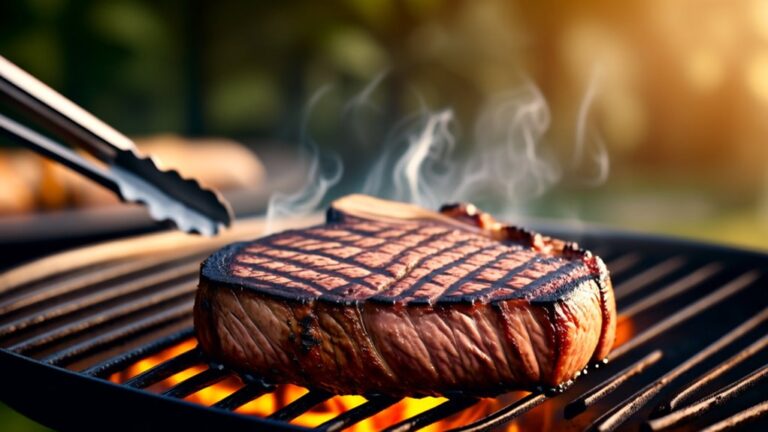
- Smoke rising steadily and spreading evenly around the grill
- Steam escaping uniformly from the meat surface
- A consistent temperature maintained inside the grill dome
These signs indicate that heat is circulating well, driven by convection. Understanding this airflow helps you control cooking temperature and achieve perfectly cooked hamburgers every time on your charcoal grill.
Balancing Conduction, Convection, and Radiation
Understanding the convection airflow inside your charcoal grill sets the stage for balancing the three key heat transfer methods you’ll rely on: conduction, convection, and radiation. When your hamburger patties sit on the grill grates, conduction transfers heat directly, creating those signature sear marks. Meanwhile, convection circulates hot air around the patties, promoting even cooking and juiciness.
Radiation from the glowing coals emits infrared energy, cooking the meat without contact, which adds a flavorful char. Balancing these heat transfer methods is essential because each influences cooking time and doneness differently. If conduction dominates, you might get a great crust but risk uneven cooking inside.
Too much convection can dry out the patties, while excessive radiation may char the exterior too quickly. By understanding how conduction, convection, and radiation interact with your cooking temperatures and grill setup, you can better control the process to achieve perfectly cooked hamburgers every time.
Tips for Optimizing Heat Transfer in Burger Grilling
Since you want perfectly grilled burgers, optimizing heat transfer on your charcoal grill is key. Grilling relies on conduction from the hot grates, convection from circulating air, and infrared radiation from charcoal’s energy. Balancing these guarantees your meat is cooked evenly and flavorful.
To optimize heat transfer, focus on these tips:
- Create direct and indirect heat zones by arranging charcoal, allowing searing by conduction at high temperatures and finishing cooking indirectly to avoid burning.
- Maintain a consistent grill temperature around 350°F to maximize convection, helping the heat circulate evenly around the burgers.
- Use the radiant infrared energy from charcoal to develop a caramelized crust while retaining juiciness inside.
Frequently Asked Questions
Is Grilling Hamburgers Over a Charcoal Flame Conduction?
Yes, grilling hamburgers over a charcoal flame involves conduction. When you place the patties directly on the hot grill grates, heat transfers through direct contact, cooking the meat. You’ll notice the searing and grill marks happen because of this.
While radiation from the charcoal heats the grates and convection circulates hot air around the burgers, conduction is the main way your burgers get that perfect, juicy sear.
Is Cooking Food on a Grill Conduction?
Yes, cooking food on a grill involves conduction, but it’s not the only way heat transfers. When your food touches the hot grill grates, conduction happens, directly sending heat to the surface.
At the same time, convection moves hot air around the food, and radiation from the glowing coals adds heat too. So, grilling combines these methods, but conduction is key when your food makes direct contact with the grill.
How Is Heat Transferred in Grilling Burgers?
Heat hops, hums, and hovers when you grill burgers. You’ll feel conduction as sizzling surfaces sear the meat when it touches the grill grates. Convection circulates scorching air, surrounding and softly cooking your patties.
Radiation radiates radiant rays from glowing coals, directly dazzling the burger’s surface. Together, these three heat transfers transform raw meat into juicy, flavorful fare you can’t wait to bite into.
What Is Conduction Convection and Radiation in Cooking?
Conduction is when heat transfers through direct contact, like food touching a hot pan. Convection happens when hot air or liquid moves around your food, cooking it evenly. Radiation is heat that travels through space, like the warmth you feel from the sun or a fire, cooking food without direct contact.
Understanding these helps you control how your food cooks for better results every time.
Conclusion
Now that you know how conduction, convection, and radiation work together in your charcoal grill, you’re basically a heat-transfer wizard—like a grilling Gandalf of the backyard!
By feeling the grill’s surface for conduction, watching the swirling air for convection, and spotting that glowing heat for radiation, you can perfectly sear your burgers every time.
So fire up that grill with confidence, and let these timeless heat tricks turn your cookout into a legendary feast. Understanding conduction, convection, and radiation is key to mastering charcoal grill cooking of hamburgers.