How to Stop a Leaky Faucet in Tub
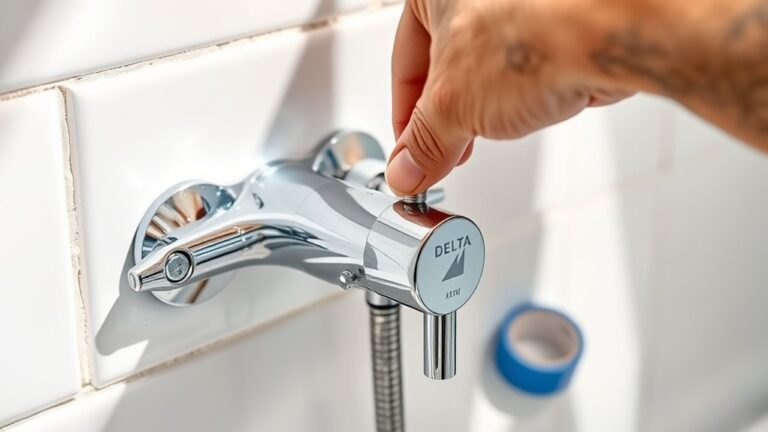
To stop a leaky tub faucet, first shut off your water supply to avoid flooding.
Identifying the type of faucet you have—compression, cartridge, ball, or ceramic disk—is essential. This will help you understand the specific parts that may need attention.
Use tools like an adjustable wrench and screwdrivers to carefully remove the handle.
Then inspect and replace worn washers, O-rings, or seals that are causing the leak. Cleaning any mineral buildup from the faucet components can also improve performance.
Reassemble the faucet carefully without over-tightening the parts.
Testing the faucet afterward ensures the leak is fixed. For persistent leaks, explore more details to handle them effectively and prevent future issues.
How to Identify the Most Common Causes of a Leaky Tub Faucet
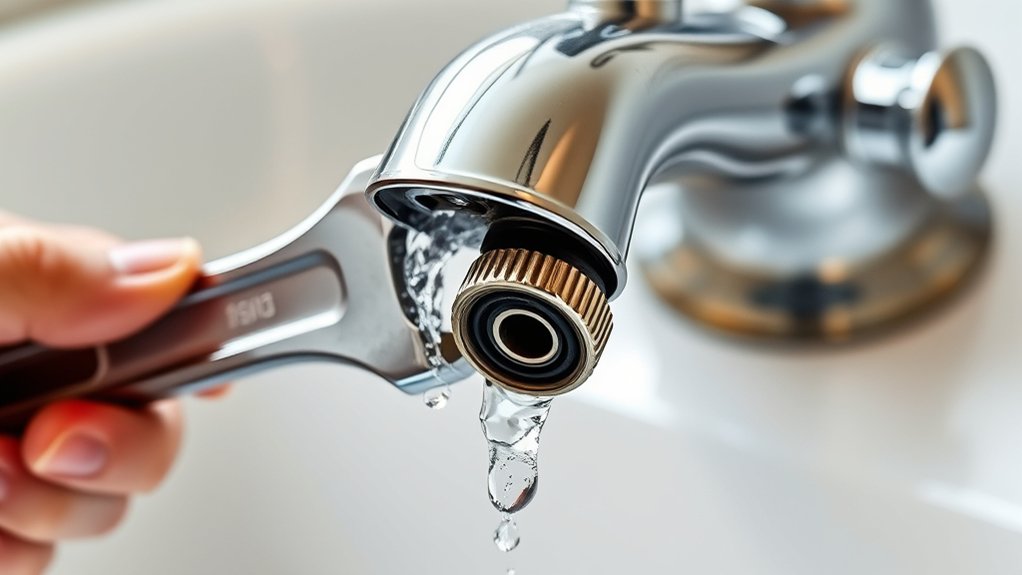
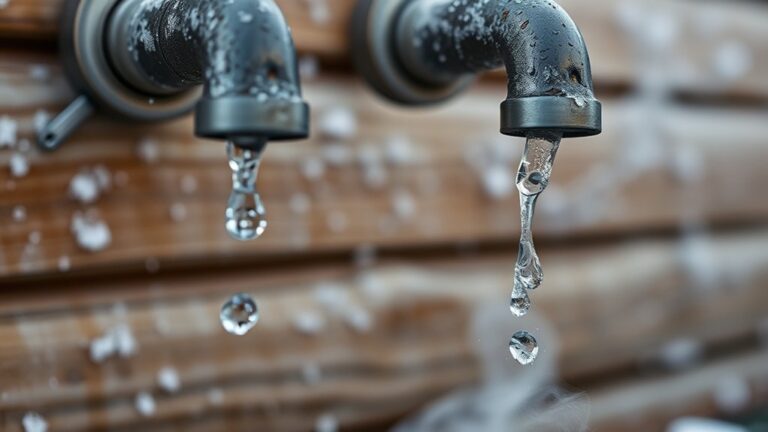
A leaky tub faucet often signals specific internal issues you can pinpoint with a systematic approach. Start by examining common leak sources such as worn-out washers, damaged O-rings, or corroded valve seats. These components degrade over time, causing drip or constant flow.
Pay close attention to faucet wear indicators like mineral buildup, water stains, or visible cracks on the faucet body. These signs often suggest underlying seal failure or corrosion.
Additionally, check the cartridge or stem assembly for wear, as these parts frequently cause leaks when compromised. By identifying these precise sources and indicators, you can accurately diagnose the cause of your tub faucet leak and plan effective repairs, avoiding unnecessary replacement or trial-and-error fixes.
Tools You Need to Fix a Leaky Tub Faucet
To effectively repair a leaky tub faucet, you’ll need five essential tools: an adjustable wrench, a screwdriver set, plumber’s tape, replacement washers or O-rings, and a flashlight. Different faucet types, such as compression, cartridge, or ball faucets, require specific tools, so having an adjustable wrench and multiple screwdriver heads guarantees compatibility.
Plumber’s tape helps seal threaded connections to prevent future leaks. Replacement washers or O-rings address worn-out internal parts, a common cause of leaks, reflecting core plumbing basics. A flashlight allows you to inspect dark or recessed areas inside the faucet assembly accurately.
Gathering these tools before starting the repair saves time and streamlines the process, helping you address the leak efficiently without unnecessary interruptions.
Step-by-Step Repair for a Leaky Tub Faucet
Start by shutting off the water supply to the tub faucet to prevent any flooding during the repair. Identify your faucet type—compression, cartridge, ball, or ceramic disk, since each requires specific handling.
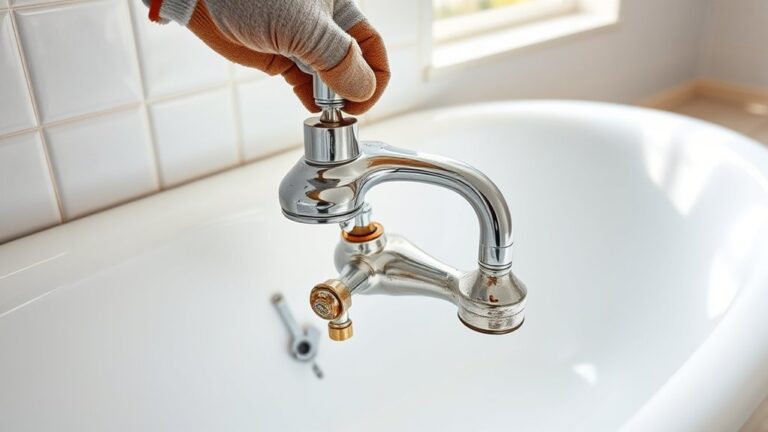
Remove the faucet handle using a screwdriver or Allen wrench. Next, detach the retaining clip or nut securing the internal components. Carefully extract the cartridge or valve assembly, noting its orientation for reinstallation.
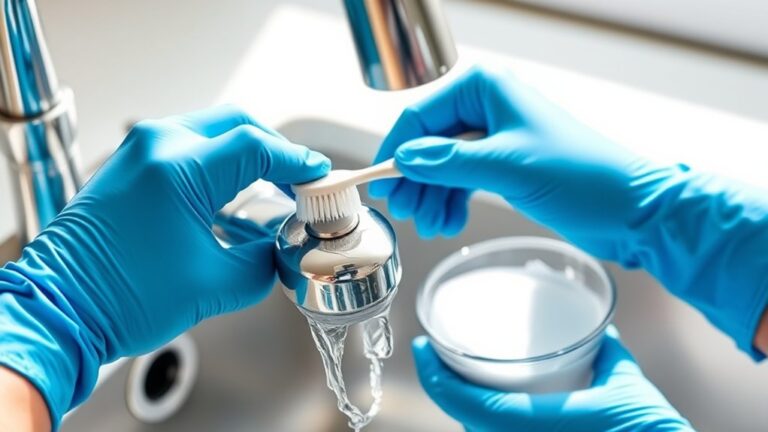
Inspect for visible damage or buildup. Clean the parts with vinegar or a commercial cleaner to remove mineral deposits, essential in DIY plumbing repairs.
Reassemble the faucet in reverse order, ensuring all components fit snugly. Turn the water supply back on and test for leaks. This methodical approach addresses common issues across faucet types, enabling effective leak repairs without replacing the entire fixture.
Replacing Worn Washers and Seals in Your Leaky Tub Faucet
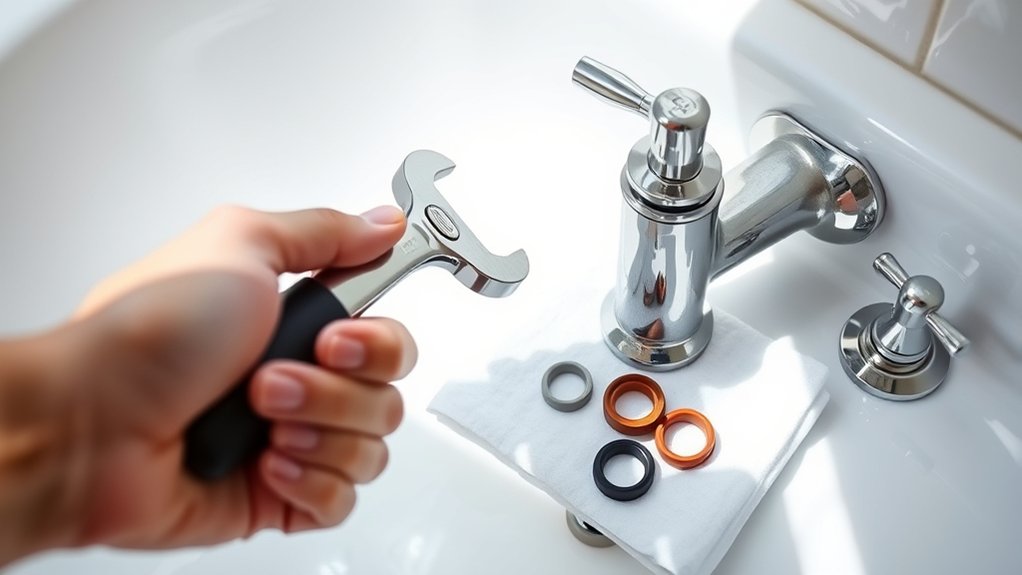
When you notice persistent dripping despite reassembling your faucet, worn washers and seals are often the culprit. Start by identifying the washer type, such as flat, beveled, or neoprene, as each fits specific valve stems. Remove the old washer carefully, noting its size and shape.
Next, examine the seal materials; common options include rubber, silicone, and EPDM, each offering varying durability and resistance to water damage. Choose replacements matching the original specifications to guarantee a proper fit.
Install the new washer and seals firmly, avoiding over-tightening, which can cause premature wear. After reassembly, test the faucet for leaks. Replacing these components precisely can restore your tub faucet’s function and stop leaks efficiently without needing a full valve replacement.
Tips to Prevent Future Leaks in Your Tub Faucet
To prevent future leaks in your tub faucet, perform regular maintenance by inspecting and cleaning components routinely. Always use high-quality replacement parts to guarantee durability and proper fit.
These steps will help you maintain a reliable, drip-free faucet over time.
Regular Faucet Maintenance
Although occasional leaks can happen, regular faucet maintenance greatly reduces the risk of future drips in your tub faucet. Start by establishing a consistent maintenance schedule. Inspect your faucet every three to six months.
During each faucet inspection, check for signs of wear, corrosion, or mineral buildup on visible parts. Tighten loose components and clean aerators and valve seats to guarantee smooth water flow. Lubricate moving parts with plumber’s grease to prevent stiffness and wear.
Replace worn washers or O-rings promptly to avoid leaks. Keep an eye on water pressure; irregularities can strain faucet components. Document each inspection and any repairs to track your faucet’s condition over time.
Use Quality Replacement Parts
Durability plays an essential role in preventing future leaks in your tub faucet. When replacing parts, always choose components made from quality materials designed to withstand constant water exposure and pressure.
Opt for brass or stainless steel valves and washers, as these offer long lasting durability compared to cheaper plastic alternatives. Ascertain seals and O-rings are made from high-grade rubber to maintain a tight fit and resist wear.
Using substandard parts may lead to frequent repairs and persistent leaks. Before installation, verify compatibility with your faucet model to guarantee a proper seal and function.
When to Call a Professional for Tub Faucet Repairs
If you notice persistent leaks despite your repairs or signs of major damage like corrosion or broken parts, it’s time to call a professional. Attempting further DIY fixes could worsen the problem or cause water damage.
Addressing these issues promptly guarantees your tub faucet functions safely and efficiently.
Signs of Major Damage
When your tub faucet shows persistent leaks despite basic repairs, it signals more serious internal issues that require professional attention. Look out for visible faucet corrosion, which indicates metal degradation that simple fixes can’t resolve.
Plumbing issues like fluctuating water pressure or unusual noises also suggest underlying damage. Water damage around the tub area, such as warping or discoloration, points to ongoing leaks that compromise structural integrity.
Mold growth near the faucet or under fixtures signals prolonged moisture exposure, posing health risks and requiring immediate action. Ultimately, significant water waste despite tightening or replacing washers means internal valve or cartridge failure.
Recognizing these signs early helps you avoid costly repairs and extensive damage. When these symptoms appear, call a professional plumber promptly to diagnose and fix the problem correctly.
When DIY Efforts Fail
Although minor faucet leaks can often be fixed with basic tools and replacement parts, persistent or complex issues demand professional expertise. If your DIY attempts don’t resolve the leak after proper leak detection and standard plumbing troubleshooting, it’s time to call a professional.
Professionals use advanced diagnostic tools to identify hidden problems such as corroded valves, damaged cartridges, or faulty seals that are difficult to detect without experience. When leaks continue despite your repairs, or if you notice water pressure irregularities and unusual sounds, these are clear indicators to seek expert intervention.
Attempting further DIY repairs without proper knowledge risks worsening the damage or causing water waste. Trusting a licensed plumber guarantees accurate leak detection and effective repairs, saving you time and preventing costly future issues.
Importance of Timely Repairs
Persistent leaks and irregular water flow signal that immediate action is necessary to prevent further damage. When you notice these signs, evaluating repair urgency is vital to avoid escalating issues like mold growth, water damage, and increased utility bills.
If your DIY attempts haven’t resolved the leak, it’s time to call a professional. A licensed plumber can accurately diagnose underlying problems, ensuring efficient water conservation and preventing wasted resources.
Acting promptly minimizes long-term repair costs and safeguards your home’s plumbing integrity. Don’t delay seeking expert help if leaks persist despite your efforts or if you detect corrosion, unusual noises, or pressure drops.
Timely repairs protect both your property and the environment, making professional intervention essential for sustainable and effective faucet maintenance.
Frequently Asked Questions
Can a Leaky Tub Faucet Increase My Water Bill Significantly?
Yes, a leaky tub faucet can considerably increase your water bill by wasting gallons daily. Prioritize plumbing maintenance to conserve water effectively, reduce expenses, and support water conservation efforts through timely repairs and inspections.
Are There Eco-Friendly Faucet Repair Products Available?
Yes, you’ll find eco friendly options for faucet repair using sustainable materials like biodegradable sealants and corrosion-resistant alloys. These products reduce environmental impact while maintaining durability, ensuring your repair is both effective and environmentally responsible.
How Long Does a Typical Tub Faucet Repair Take?
Fixing a tub faucet usually takes about 30 minutes to an hour, depending on the common causes like worn washers or O-rings.
With the right repair tools, you can nip the problem in the bud quickly.
Can Hard Water Cause Tub Faucet Leaks?
Yes, hard water can cause tub faucet leaks by mineral buildup that damages seals and valves. You should perform regular faucet maintenance to remove deposits and prolong your faucet’s lifespan, preventing leaks and costly repairs.
Is It Safe to Use a Leaky Faucet While Pregnant?
Worried about pregnancy safety concerns with a leaky faucet? It’s generally safe, but you shouldn’t ignore it.
Following faucet maintenance tips prevents mold and bacteria buildup, protecting your health and ensuring a safe environment for you and baby.