Does Air Fryer Use Oil
You don’t need oil to cook in an air fryer since it uses rapid hot air to crisp food efficiently.
However, adding a small amount can enhance flavor and create a crispier texture without extra calories.
Naturally fatty foods often don’t require oil, but a light spray or coating helps with browning and prevents dryness, especially for frozen items.
If you want to maximize your air fryer’s results, there are easy tips and oil choices that’ll boost your cooking even more.
Key Takeaways
- Air fryers primarily cook by circulating hot air, requiring little to no oil for most foods.
- Adding a small amount of oil can enhance crispiness and flavor but is not mandatory.
- Naturally fatty foods often provide enough moisture, eliminating the need for additional oil.
- Using oil sprays or light coatings is recommended for even browning and texture.
- Air frying with little or no oil reduces calories and simplifies cleanup compared to traditional frying.
How Air Fryers Cook With Little or No Oil?
Although traditional frying relies on large amounts of oil to cook food, air fryers use rapid hot air circulation to achieve a similar crispy texture with little or no oil.
When you use an air fryer, hot air rapidly circulates around the food, cooking it evenly from all sides.
This process creates a crispy outer layer without submerging the food in oil.
You might add a small amount of oil to enhance flavor or texture, but it’s usually far less than traditional frying requires.
Since the hot air transfers heat efficiently, you get that satisfying crunch without excess grease.
This method not only reduces calories but also minimizes mess and cleanup, making it a convenient and healthier alternative for frying your favorite dishes.
Can You Use an Air Fryer Without Any Oil?
While air fryers typically require little oil, you can definitely use one without adding any oil at all.
Air fryers rely on hot air circulation to cook food evenly and create a crispy texture, so oil isn’t always necessary.
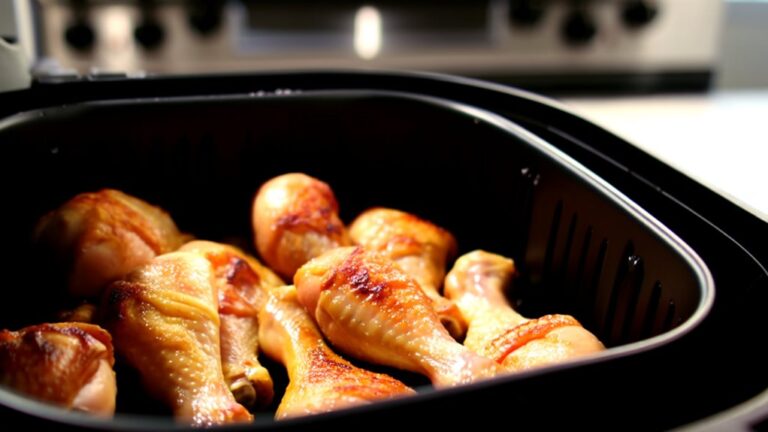
If you’re cooking naturally fatty foods like chicken wings or bacon, the rendered fat often provides enough moisture and crispiness without extra oil.
For vegetables or lean proteins, you can skip oil altogether, though the texture might be less crispy.
Just make sure to shake or flip the food occasionally for even cooking.
Using no oil also means healthier meals with fewer calories.
When to Add Oil in Your Air Fryer?
When should you add oil to your air fryer?
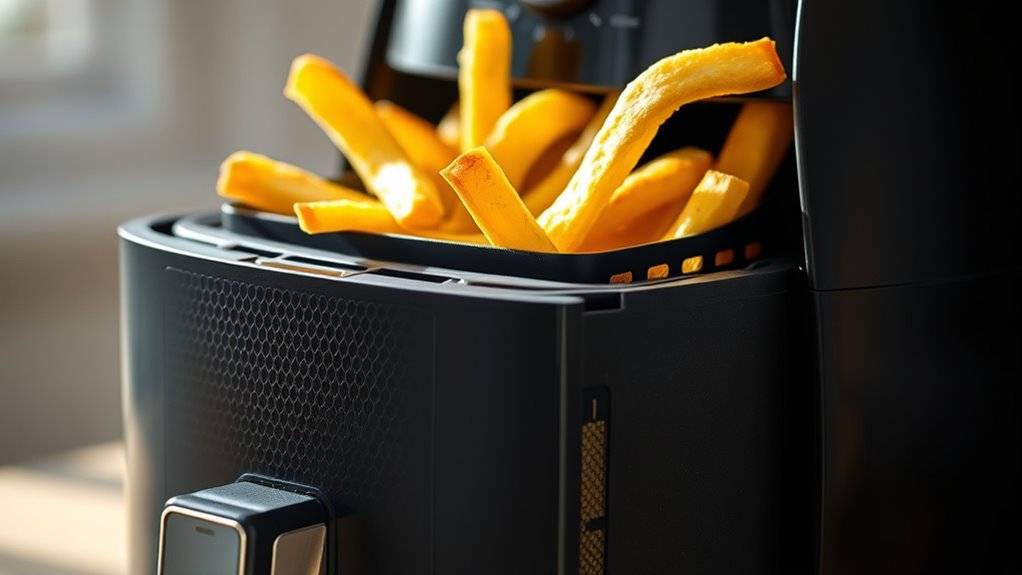
You should add oil when you want to enhance crispiness or flavor without deep frying. Lightly coating foods like vegetables, chicken wings, or homemade fries helps achieve that golden texture.
It’s best to toss your ingredients with a small amount of oil before placing them in the basket, ensuring even coverage. Avoid pouring oil directly into the air fryer basket, as that can cause smoke or uneven cooking.
Also, adding oil is helpful when cooking frozen foods lacking any fat, as it improves browning and prevents dryness. If you’re air frying naturally fatty foods like sausages or bacon, extra oil isn’t necessary.
Using oil wisely makes your air fryer meals tastier and more satisfying.
Best Oils to Use in an Air Fryer
Choosing the right oil for your air fryer depends on its smoke point and flavor.
You’ll want oils that can handle high heat without burning, like avocado or peanut oil.
Plus, the flavor of the oil can subtly change how your food tastes, so pick one that complements your dish.
Smoke Points Comparison
Understanding the smoke points of different oils is key to getting the best results from your air fryer. Oils with high smoke points can handle the high temperatures without breaking down or producing harmful compounds.
For example, avocado oil has a smoke point around 520°F, making it excellent for air frying. Other good choices include refined coconut oil (about 450°F) and peanut oil (around 450°F).
On the other hand, unrefined oils like extra virgin olive oil have lower smoke points, typically near 375°F, so they may not be ideal for prolonged high heat.
Choosing oils with appropriate smoke points guarantees your food cooks evenly and stays free from burnt flavors. So, when picking an oil, consider its smoke point relative to your air fryer’s temperature settings.
Flavor Profiles Impact
Although high smoke points are essential, the flavor your oil imparts can make or break your air-fried dishes. When choosing an oil, consider how its taste complements your food.
Neutral oils like avocado or refined canola won’t overpower your ingredients, letting natural flavors shine. If you want a subtle nutty or buttery note, light olive oil or peanut oil are great picks.
For a bold, distinctive flavor, try sesame or coconut oil, but use sparingly since their strong profiles can dominate. Remember, oils with strong flavors might not suit every recipe.
Experimenting with different oils can elevate your meals, so pick ones that enhance rather than mask the dish’s character. This way, your air fryer creations taste just right every time.
How Much Oil Is Needed for Crispy Air Fryer Food?
When you want crispy food from your air fryer, you don’t need much oil; usually just a light coating is enough. Too much oil can make your food soggy instead of crispy. Here’s how to get it right:
- Use about 1 to 2 teaspoons of oil per pound of food.
- Lightly spray or brush the oil evenly over the food’s surface.
- Toss ingredients in a bowl with oil before placing them in the basket.
- Avoid pouring oil directly into the air fryer basket to prevent pooling.
This minimal amount helps achieve that golden, crispy texture without excess grease. You’ll enjoy healthier, tastier results with just a small touch of oil.
Healthy Tips for Using Less Oil in Your Air Fryer
If you want to cut back on oil, try choosing cooking methods that need less fat.
Using an oil spray helps you coat food evenly without pouring too much.
You can also add natural moisture like lemon juice or broth to keep things tasty and juicy.
Choosing Low-Oil Cooking Methods
Since air fryers circulate hot air to cook food evenly, you don’t have to rely on much oil to achieve a crispy texture.
To choose low-oil cooking methods, consider these tips:
- Opt for naturally moist foods like vegetables and lean proteins, which need less oil.
- Use marinades or spice rubs to add flavor without extra fat.
- Preheat your air fryer to help create a crispy crust quickly, reducing the need for added oil.
- Cook smaller batches to guarantee even cooking and crispiness without oil buildup.
Using Oil Sprays Effectively
How can you use oil sprays to keep your air-fried meals flavorful without overdoing it? First, choose a spray with healthy oils like olive or avocado oil.
Lightly mist your food instead of drenching it to get that crispy texture without excess calories. Remember to shake the spray can well and hold it about 6-8 inches from the food for even coverage.
Avoid spraying directly into the basket to prevent buildup.
| Tip | Benefit |
|---|---|
| Use a light mist | Reduces overall oil intake |
| Spray from distance | Guarantees even coating |
| Choose healthy oils | Adds flavor and nutrition |
Incorporating Natural Moisture Sources
While using oil sprays can enhance flavor, you can also rely on natural moisture sources like fresh vegetables, fruits, or even broths to keep your air-fried meals juicy and tender without adding extra oil.
These options help maintain moisture while reducing fat content. Here are some ideas to try:
- Marinate meats or tofu in citrus juice or yogurt for added moisture and flavor.
- Add slices of onion or bell pepper around your protein to release natural juices during cooking.
- Brush foods lightly with broth instead of oil to keep them moist.
- Include moisture-rich ingredients like zucchini or tomatoes in your air fryer basket to naturally hydrate your dish.
Frequently Asked Questions
Can Air Fryers Replace Traditional Deep Fryers Entirely?
You can’t entirely replace traditional deep fryers with air fryers because they cook differently.
But air fryers offer a healthier, quicker option with less oil. They’re great for many dishes, but not all.
Do Air Fryers Affect the Nutritional Content of Food?
Yes, air fryers generally preserve more nutrients since they use less oil and cook faster, reducing nutrient loss.
You’ll still get tasty, healthier meals compared to traditional frying, but some vitamin degradation can occur from heat exposure.
How Long Does It Take to Clean an Air Fryer?
Cleaning your air fryer usually takes about 10-15 minutes, like wiping a whiteboard after class.
Just remove the basket, soak it briefly, then wipe down the interior and exterior to keep it fresh and ready.
Are Air-Fried Foods Safe for People With Allergies?
Yes, air-fried foods can be safe for people with allergies if you avoid cross-contamination and use allergy-free ingredients.
Always clean the air fryer thoroughly and check labels to guarantee no allergens are present in the food or oil.
Can You Cook Frozen Foods Directly in an Air Fryer?
Yes, you can cook frozen foods directly in an air fryer.
You just pop them in, set the temperature, and wait.
It’s quick, easy, and convenient, giving you crispy results without thawing first.
Conclusion
So, does an air fryer use oil?
Sometimes yes, sometimes no—it’s all about choice and control.
You can skip the oil for a lighter crunch or add a little for extra crispiness.
Think of oil as a partner, not a necessity, in your cooking dance.
With the right amount and type, you’ll enjoy healthier, tastier meals without the guilt.
Ready to air fry your way to deliciousness?